it / en
it / en

Barovier & Toso

The History of a Murano Dynasty
The history of Murano glass is marked by the names of many individuals and families who helped define its identity. Few, however, can boast a historical continuity and a capacity for innovation comparable to that of the Barovier family, which, more than any other dynasty, has intertwined its story with that of Murano itself. Over the centuries, the Baroviers played a decisive role in the development of blown glassmaking, accompanying its technical and aesthetic evolution while never severing their connection with tradition.
 
The origins of the Barovier family date back to the Middle Ages, with historical documents attesting to their presence in Murano as early as the thirteenth century. In the fifteenth century, Angelo Barovier developed the celebrated Cristallo Veneziano (Venetian Crystal), a remarkably clear glass that helped make the island and its craftsmanship famous throughout Europe.
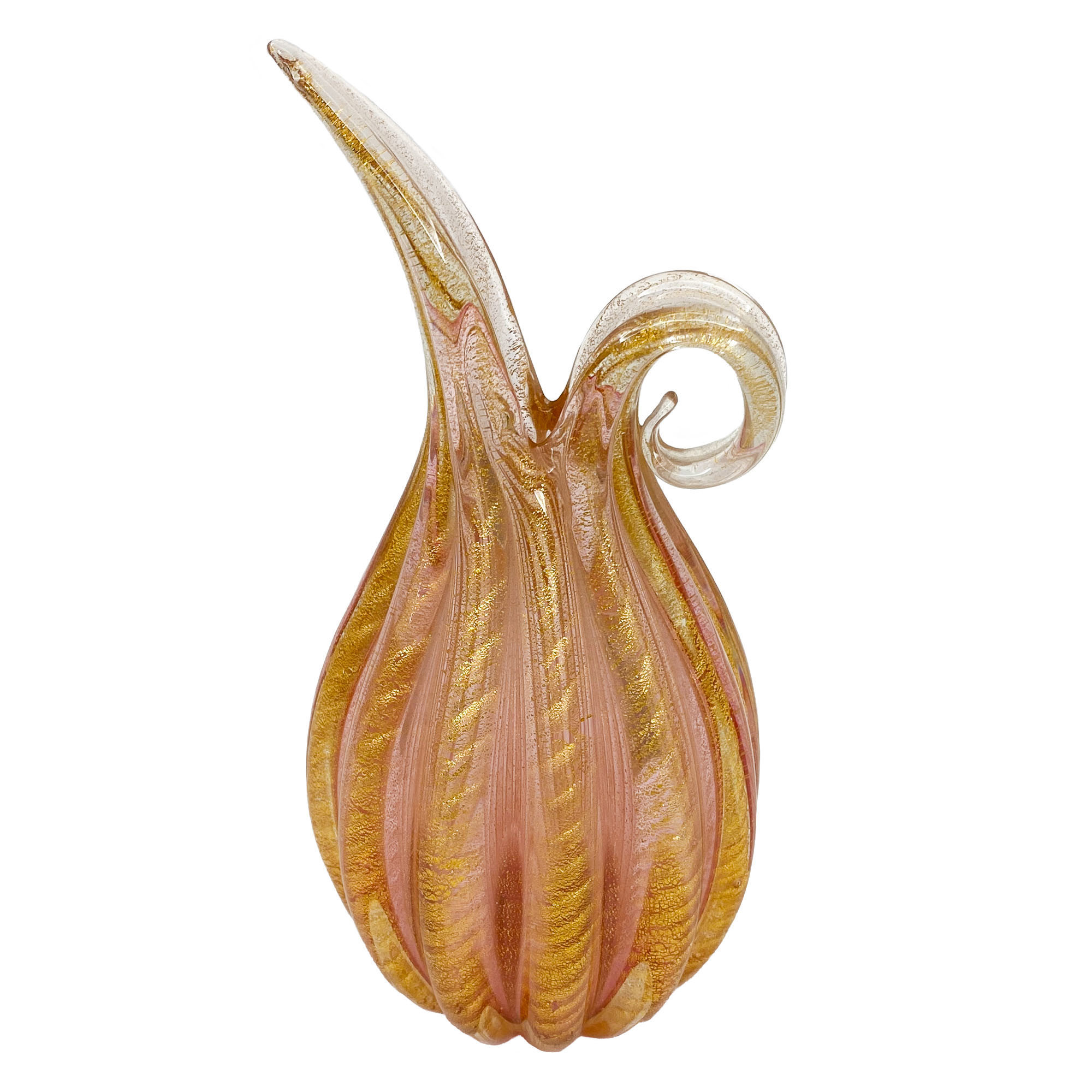
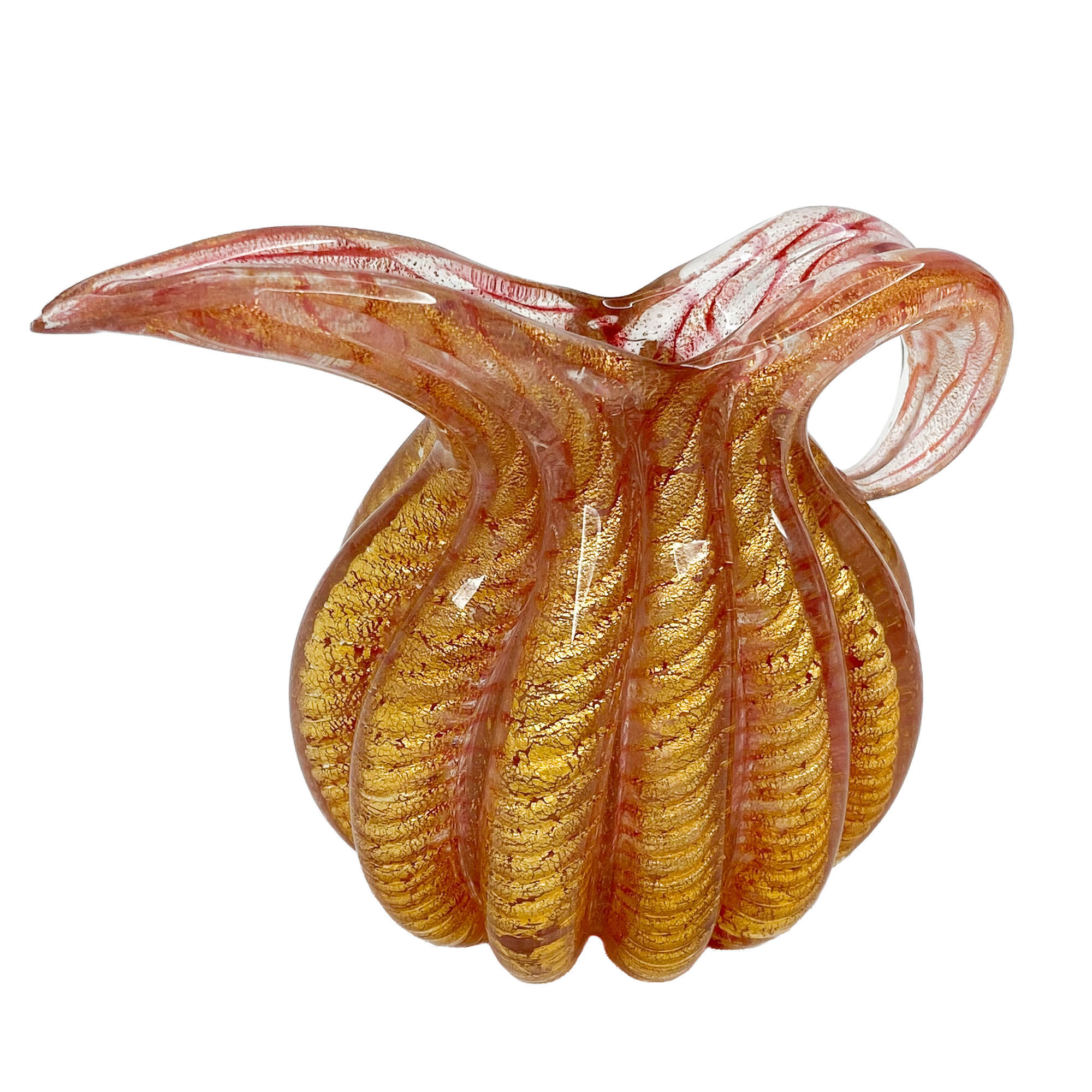
'Cordonati Oro' pitcher
1950s
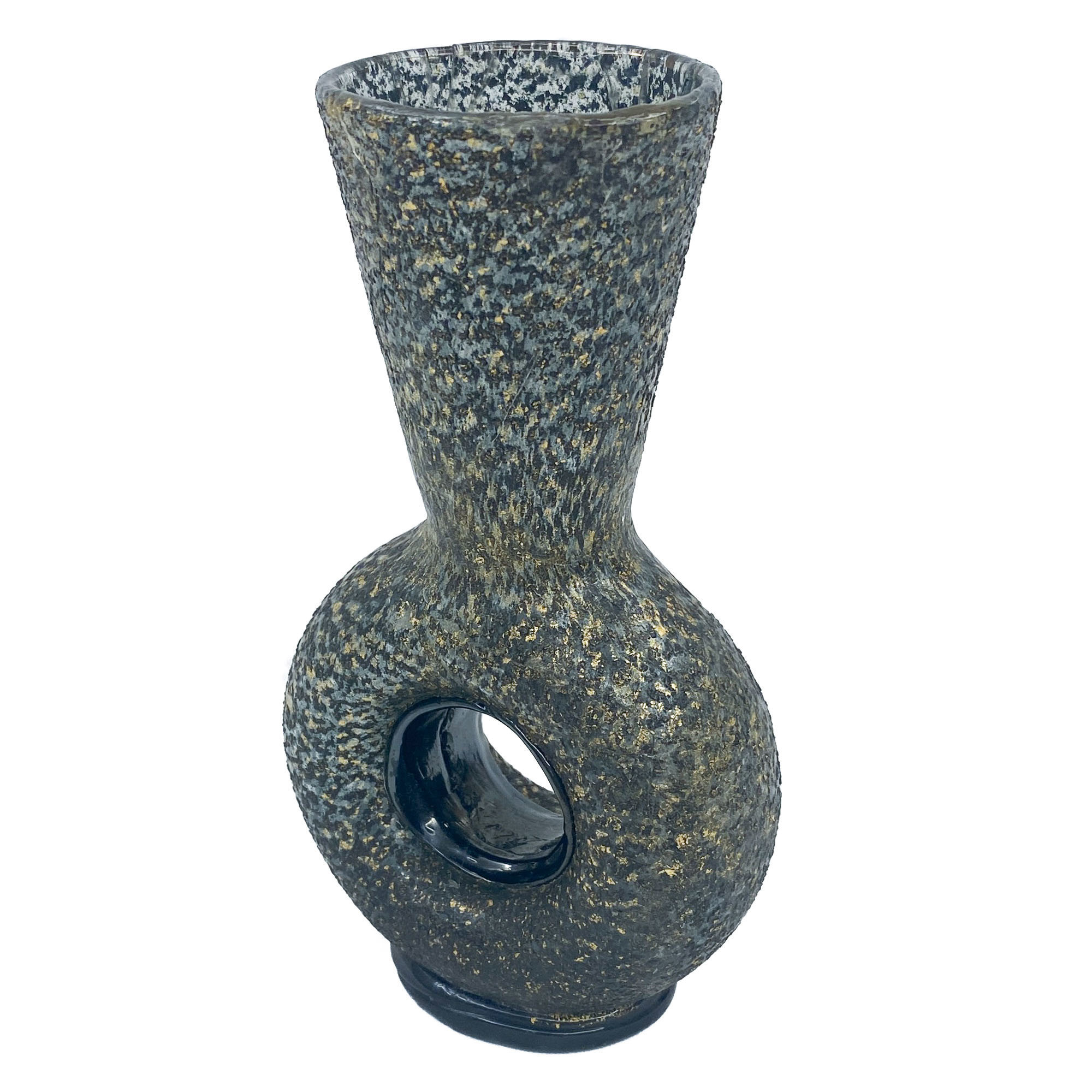
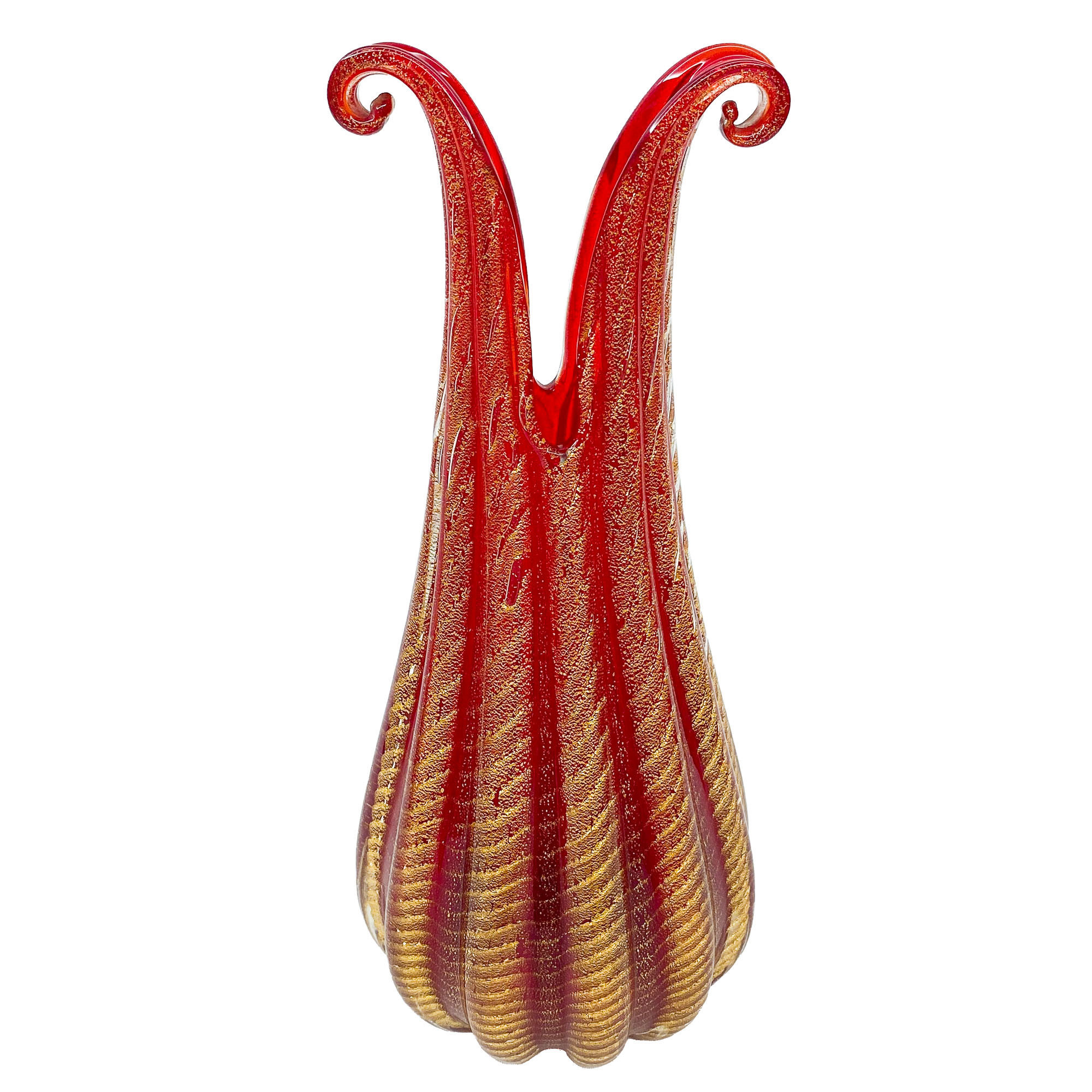
'Barbarico' vase
1950s
For centuries, the family remained at the forefront of Murano production, successfully navigating the stylistic and technological changes that shaped the industry.
 
At the end of the nineteenth century, Murano experienced a period of profound renewal. Glassmakers realized that simply reproducing models from the past was no longer sufficient and began engaging with new artistic movements emerging across Europe. The Baroviers, who had founded the firm “Artisti Barovier” in 1896, were among the first to embrace, albeit gradually, some of the influences of Art Nouveau. During this period, Giovanni Barovier became widely known as the “magician of glassmaking” thanks to his extraordinary technical skill and his ability to reinterpret tradition in a highly personal manner.
In 1919, the company adopted the name Vetreria Artistica Barovier & Co., and it was at this moment that the man destined to profoundly transform the history of the glassworks entered the scene: Ercole Barovier. Although he belonged to one of Venice’s most important glassmaking families, Ercole joined the furnace relatively late, only in his thirties.
 
Gifted with exceptional intellectual curiosity, he devoted himself to studying the material and the production environment in great depth. Inheriting a natural inclination toward research from his family, he elevated it to extraordinary levels, becoming one of the greatest experts on glass and its countless expressive possibilities.
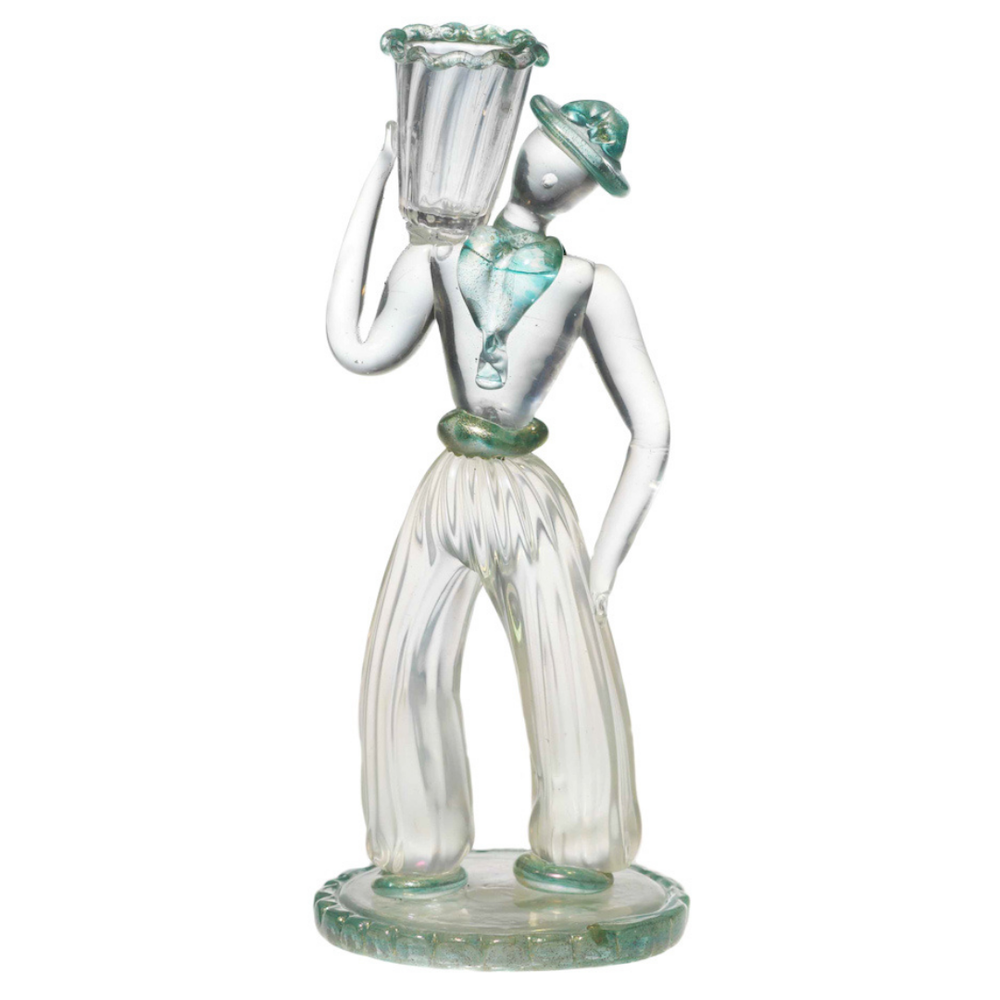
Sower candleholder
1940s
His earliest experiments often focused on small sculptures of people and animals influenced by the Art Deco style. Soon, however, his interest shifted toward the infinite technical possibilities of glass, and a constant spirit of experimentation came to define his entire career. A famous example is the celebrated Primavera glass, born almost by chance during a technical investigation, it turned out to be so complex that it remains impossible to reproduce faithfully even today.
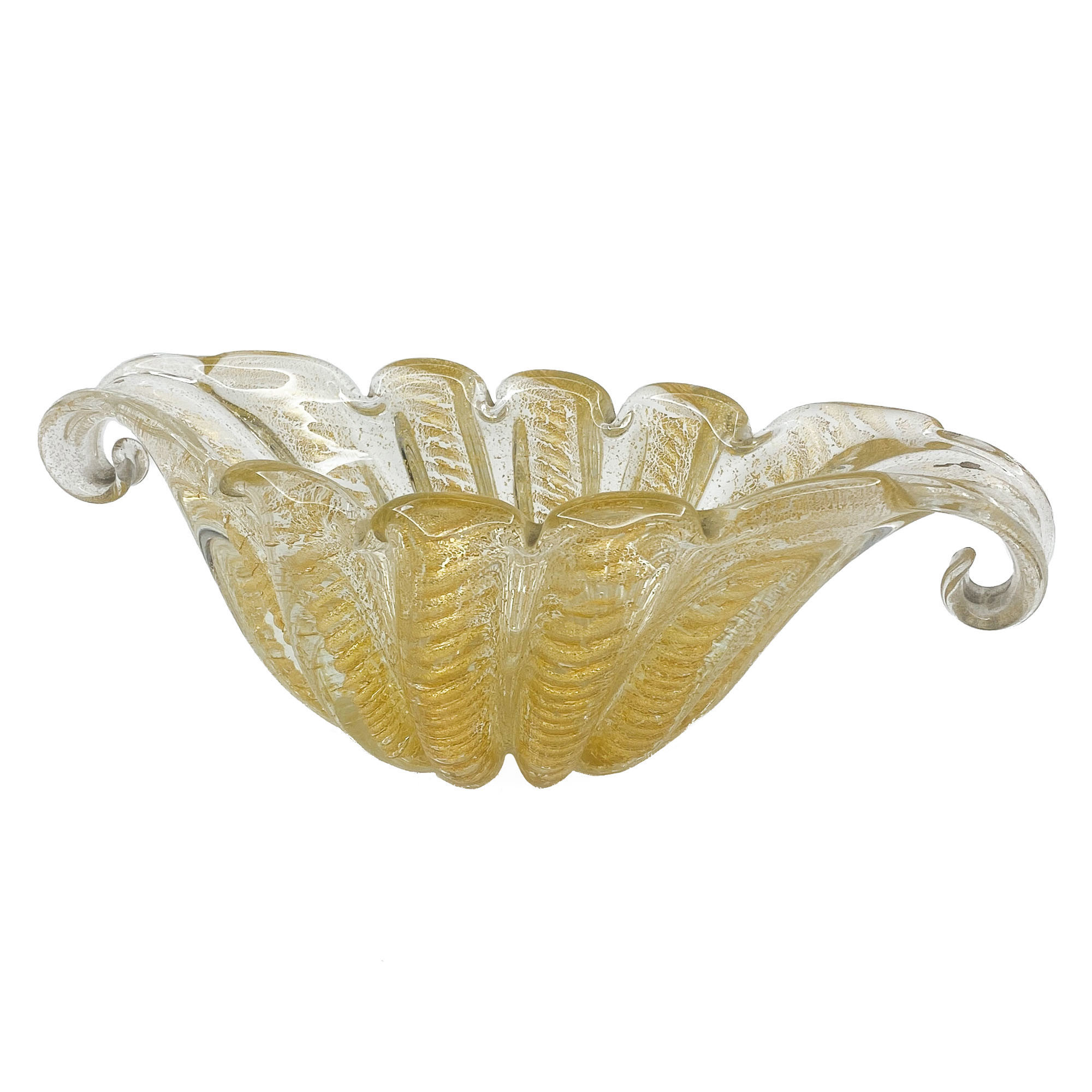
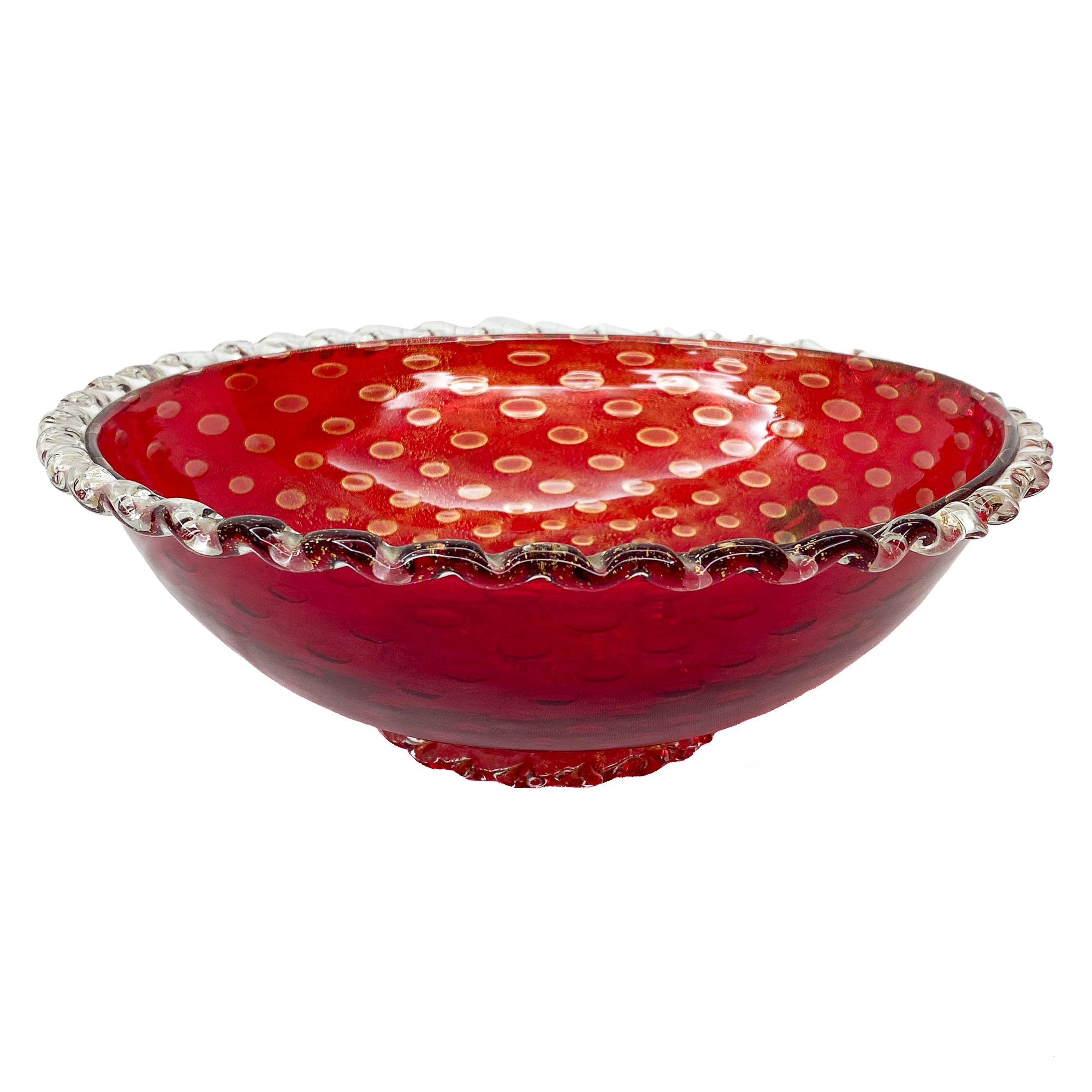
'Cordonati Oro' centerpiece
1950s
In 1930, Ercole promoted the creation of a new company through the merger with S.A.I.A.R. Ferro e Toso. The new enterprise soon assumed the renowned name Barovier & Toso, with Ercole remaining its artistic guide until his death in 1974. This marked a fundamental turning point in the company’s history, bringing together diverse skills, technical knowledge, and artistic visions under a single productive reality.
 
During the 1930s and 1940s, the furnace developed some of its most innovative creations. Research into surface effects led to glass characterized by complex textures, inclusions, iridescence, and colors achieved through highly sophisticated processes. Glass ceased to be a simple transparent surface and became a living material, rich in depth and luminous variation.
One of the most fascinating aspects of Barovier & Toso’s production lies in its ability to transform technique into artistic language. Innovations are never displayed as mere demonstrations of virtuosity; rather, they are integrated into a coherent aesthetic vision in which the relationship between light, color, and material plays a central role.
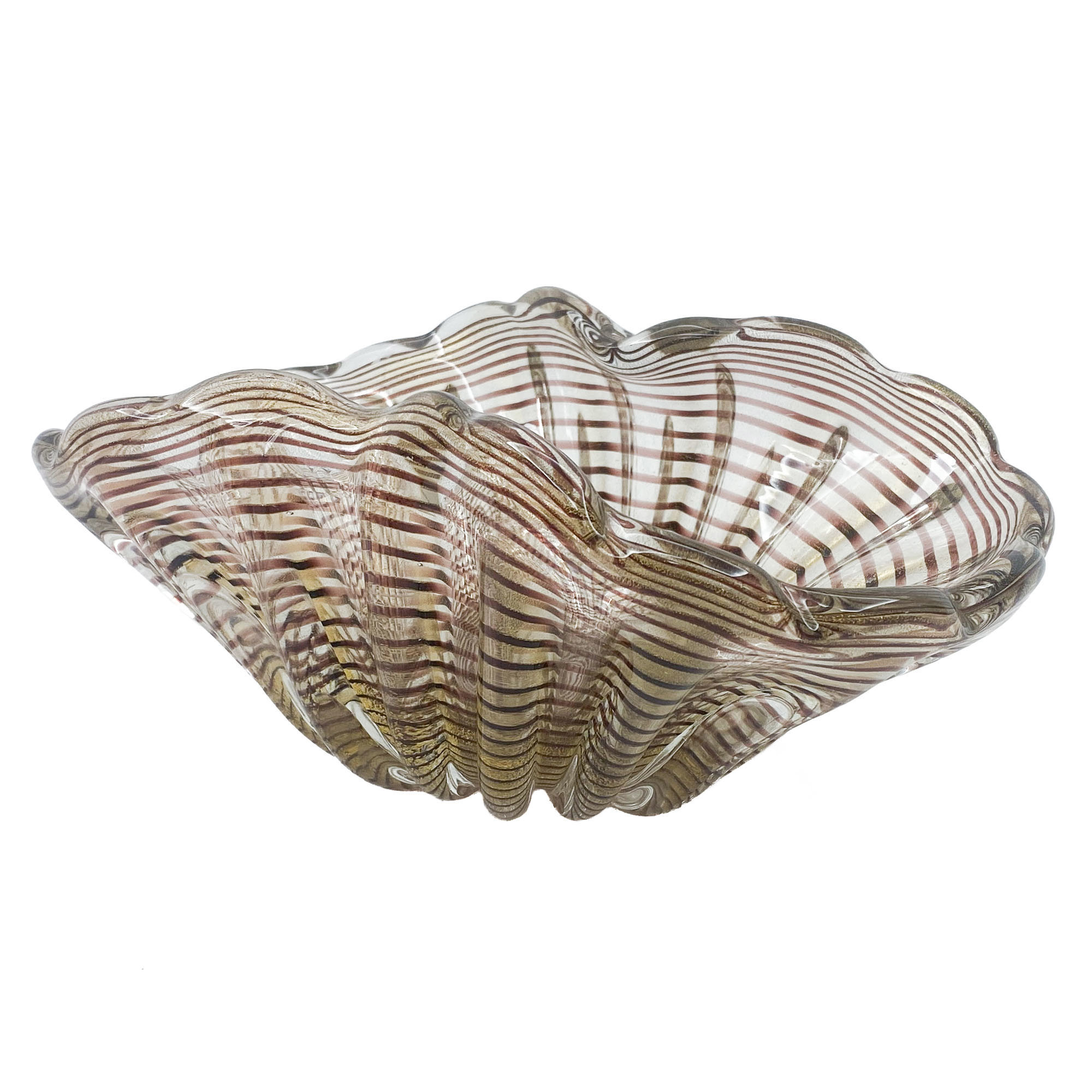
'Zebrati' bowl
1940s
After the Second World War, this experimental vocation became even stronger. Ercole Barovier undertook a true reinterpretation of ancient Murano techniques, adapting them through a modern and immediately recognizable sensibility.
 
Among the most significant results of this period were the celebrated Cordonati Oro pieces, distinguished by prominent vertical ribbing and gold-leaf inclusions. These works quickly captivated the public thanks to the balance between the visual lightness of the glass and the tangible perception of its material substance, becoming one of the most iconic productions of the manufactory.
'Cordonati Oro' vase
1950s
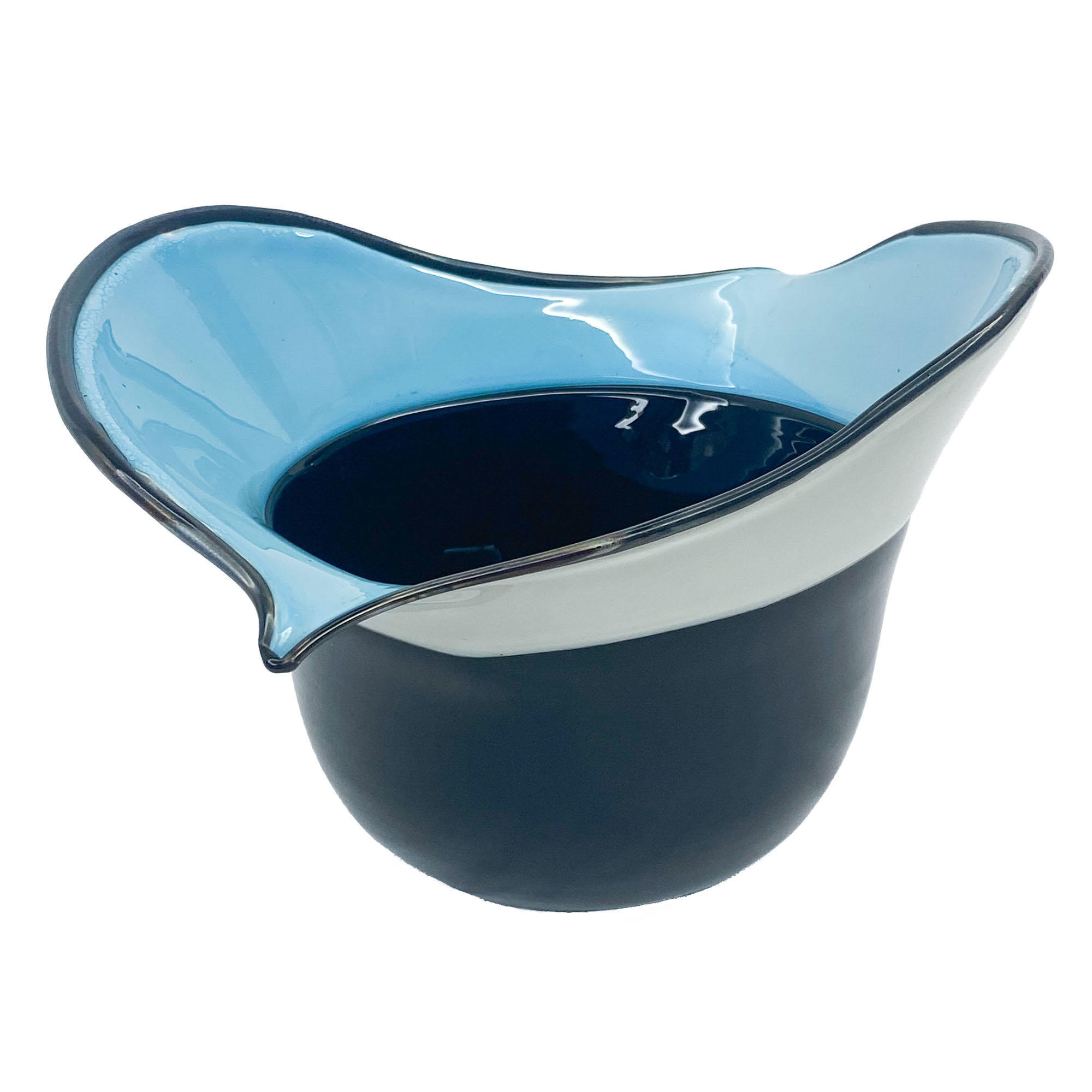
'Morbidi' - T. Zuccheri
1980s
As Italian design gained increasing international visibility, Barovier & Toso succeeded in embracing change without sacrificing its identity. Exceptional craftsmanship remained a fundamental value, and the role of the master glassmaker continued to occupy a central place within production. This balance between innovation and artisanal expertise helps explain the prestige the furnace maintained over the decades.
 
Upon Ercole’s death, leadership of the company passed to his son Angelo, who was particularly interested in lighting design and chromatic research. Under his direction and that of subsequent generations, the glassworks strengthened its position in the field of high-end artistic lighting, an area in which it continues to be an international point of reference.
Viewed as a whole, the history of the Barovier family stands as one of the most remarkable examples of Murano’s ability to reinvent itself without losing its soul. From Angelo Barovier’s Renaissance innovations to Ercole’s twentieth-century experiments and on to contemporary production, one constant emerges: the determination to regard glass not merely as a material to be worked, but as an expressive medium capable of translating research, culture, and imagination into works of art.
 
A baeotton centerpiece
1940s
'Cordonati Oro' pitcher
1950s
It is precisely this continuity that makes the story of the Barovier family so significant. In an industry often marked by changing fashions, few names have managed to maintain a leading position for more than seven centuries. Barovier and, later, Barovier & Toso represent not merely a glassworks or a prestigious brand, but an essential chapter in the history of Venetian glass and, more broadly, in the history of Italian and European decorative arts.


Watch the video and have a closer look at the sunning Barovier & Toso glasses

Become a Passionario

Chat with us