it / en
it / en

Gold, the most precious metal

Symbol of purity, value and loyalty
As a symbol of purity, value and loyalty but also, inevitably, of opulence and wealth, gold has always been the most valued metal among humans because it is perfect for making ornaments and jewelry as well as ritual symbolic objects, and technical instruments. Its Latin name Aurum gives rise to the chemical symbol Au, which belongs to Group 11 of the periodic table of elements and has atomic number 79. It is a metal characterized by great malleability and ductility, and because of this property, just one gram of gold can be stretched to cover the surface of one square meter or, if drawn, can be made into a wire about one kilometer long.
18-karat yellow gold brooch
Italy, 19th century
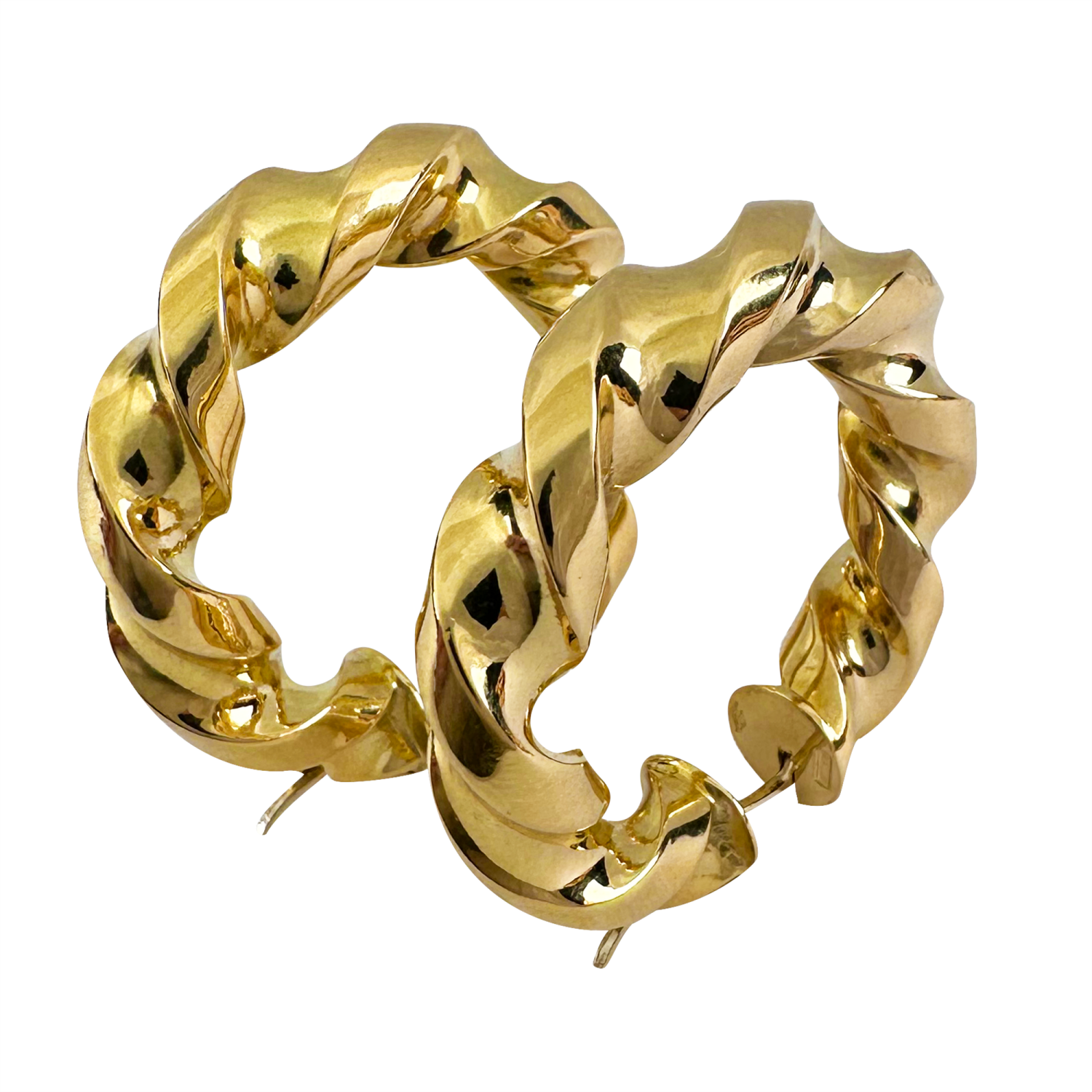
18-karat yellow gold earrings
Italy, 1980s
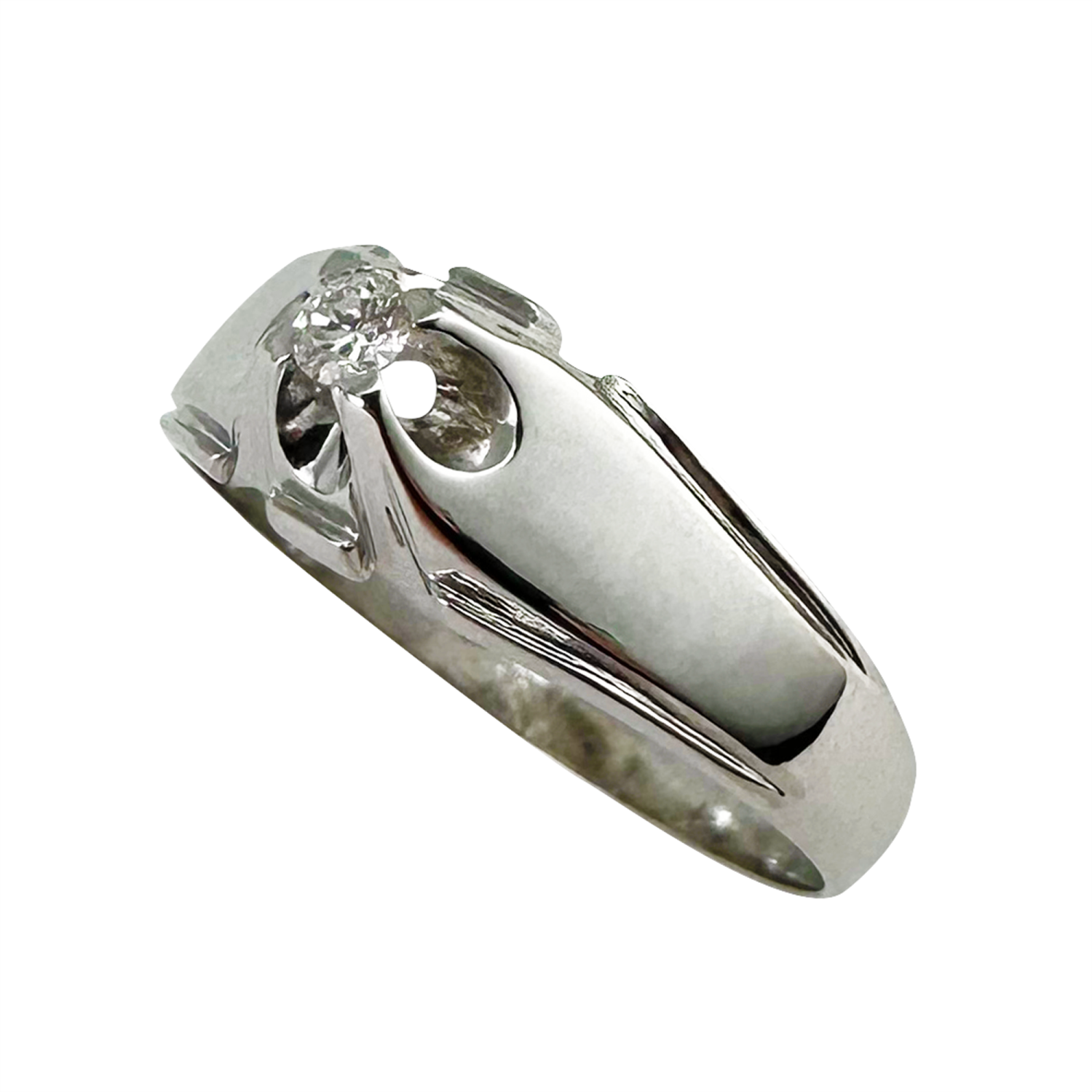
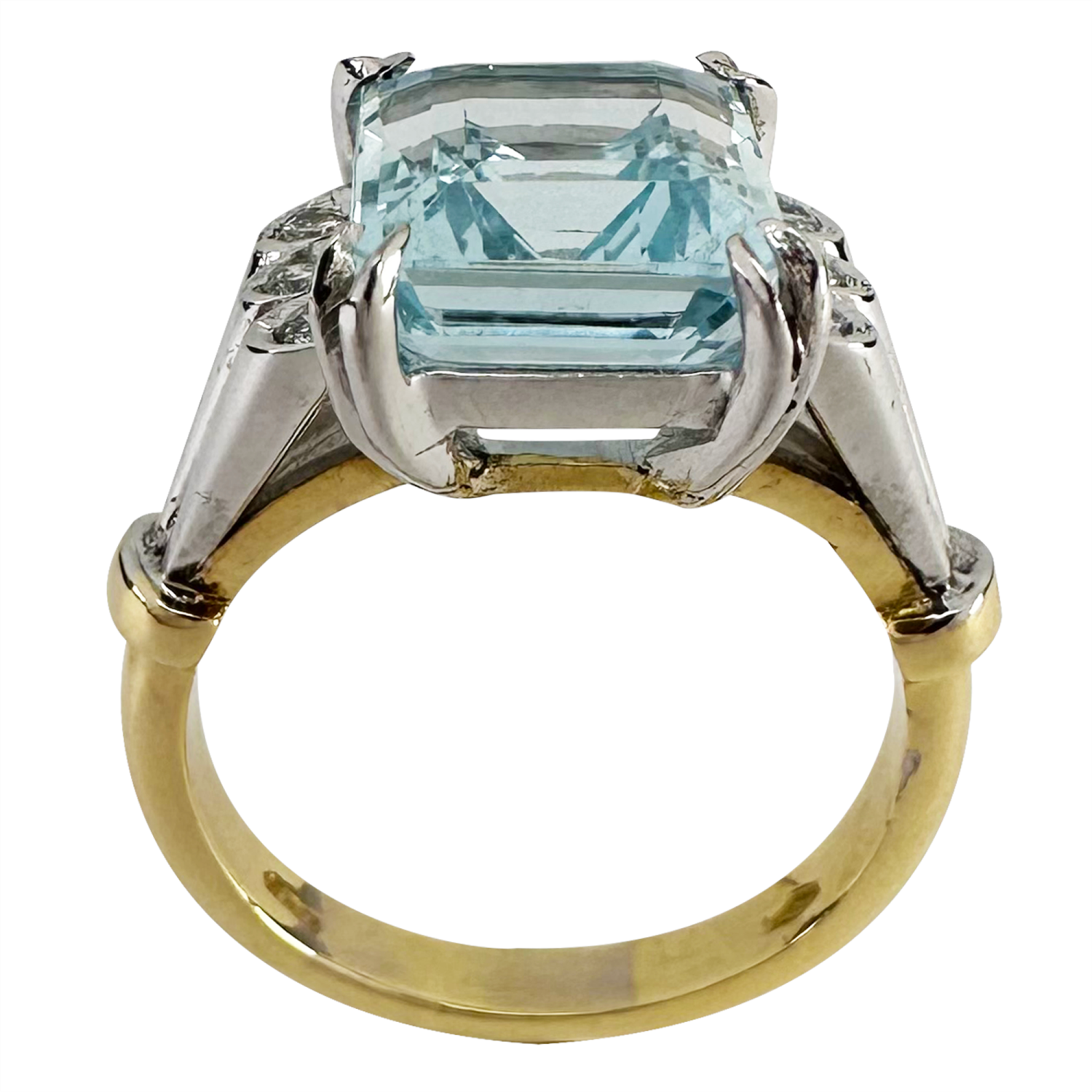
18-karat white gold ring
Italy, 1960s
Gold is one of the noble metals, as are silver, platinum, palladium and a few others, which are characterized by their resister to corrosion and by the fact that they tend to oxidize very little in contact with air and water. Gold's high chemical inertia made it an ideal material for the production of durable objects, first and foremost coins and jewelry. However, over the centuries, this metal has also been widely used in many fields.
Since it is an excellent conductor of electricity, we find gold in all the electronic devices we daily, where it forms microscopic connectors and conductors. To protect against light waves, including ultraviolet and infrared, space suit visors contain gold foil, which is only material capable of shielding astronauts from sunlight.
 
There are various medial application of gold, especially in dentistry but also, for example, in cancer treatments. Finally, gold powder or gold leaf can be used in many ways, from the cusine to the decorative arts, such as painting and Murano glassmaking.
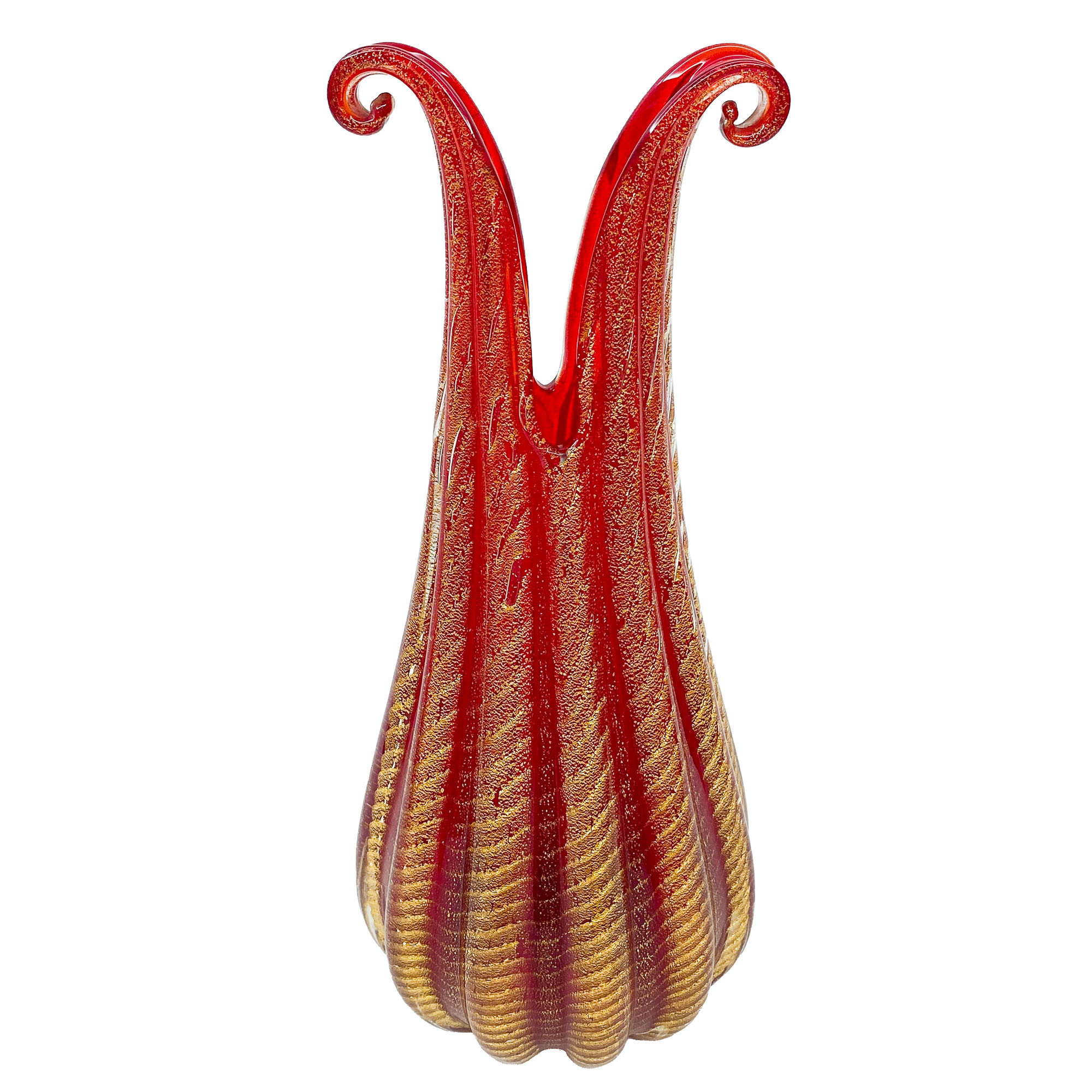
Murano glass vase with gold foil
E. Barovier, 1950s
Gold has been known to human since prehistoric times and was the first metal they used, a significant fact considering that for making everyday utensils nor weapons. Throughout the centuries, all civilizations have used his metal as a trade commodity and for ornamentation. The ancient Egyptians describe it as “common as dust” because it was abundant along the banks of the Nile and its tributaries; the Old Testament contains many references to this metal, and in the Bible it is even presented as a symbol of Christ's kingship, brought to him as a gift by the Magi. Gold also holds an essential position in Buddhism, where it is considered one of the seven treasures and equated with faith or righteous belief.
 
Although often overlooked, the medieval period saw extensive use of gold in the decoration of major churches, chapels and palaces. It is also undeniable that the explorations of the Americas, after Columbus' first landing in 1492, were driven primarily by European explorers’ fascination with the tales of the gold jewelry possessed by native peoples and the possible presence of huge deposits in the “new lands.”
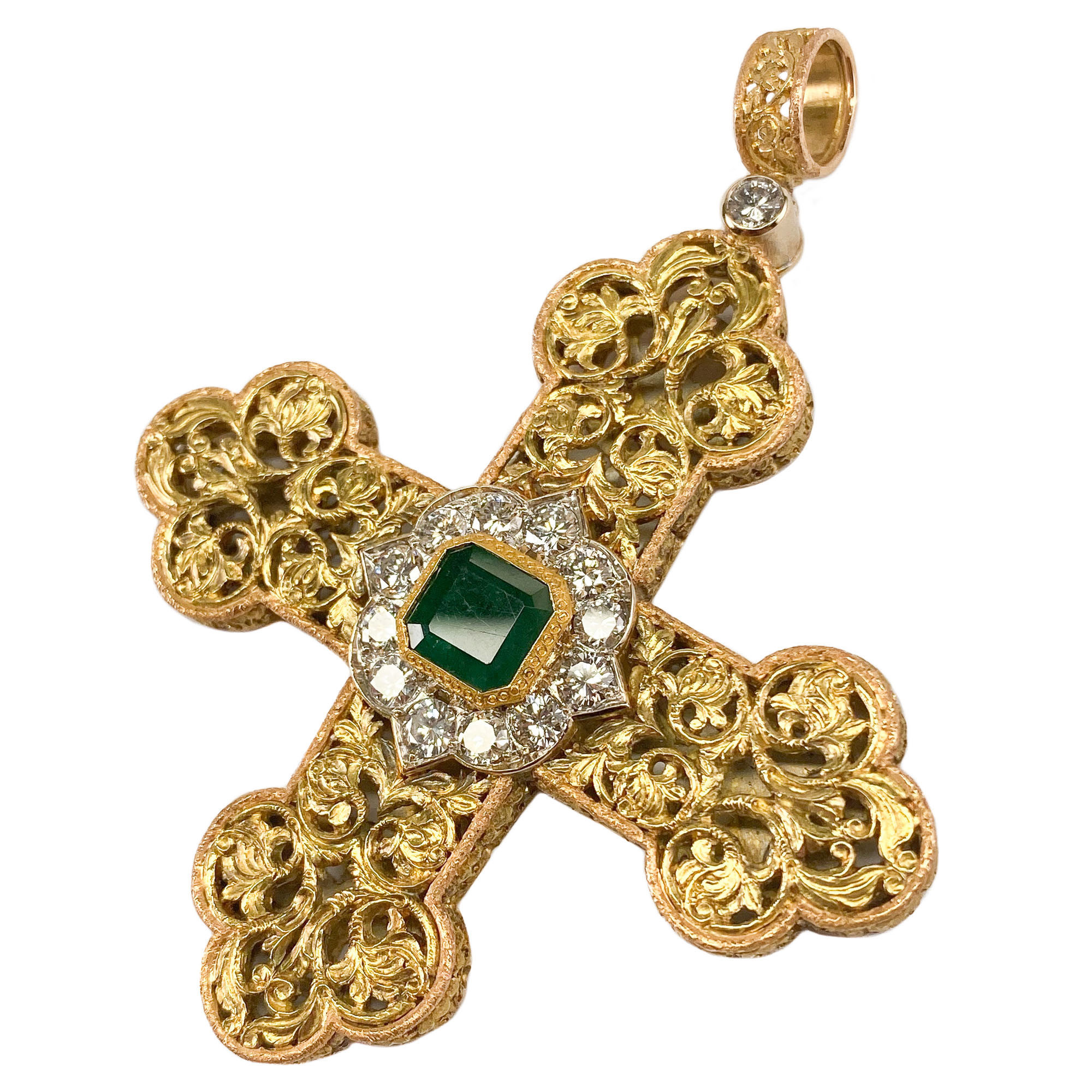
18-karat yellow gold pendant
Italy, 1960s
18-karat yellow and white gold ring
Italy, 1980s
18-katrat yellow, white and rose gold
Italy, 1980s
This phenomenon continued into the 19th century, with the gold rush prompting the colonization of regions such as California, Colorado, and central Ontario. Australia, too, drew significant attention from explorers, partly because of its gold deposits. From 1880 South Africa became the largest source of gold, and cities such as Johannesburg were built to accomodate miners near one of the world's largest gold deposits. By 2007, however, China has become the world’s leading gold producer, accounting for 11 % of global production, followed by Russia.
Gold can also be found in Italy in rivers such as the Po and the Ticino, which were the supply points for the ancient Romans,
but there are also primary gold deposits.The largest of these is in Monte Rosa, which, for both environmental and cost reasons, it is not being exploited. The last active mine in Italy was the Furtei mine in southern Sardinia, which closed two decades ago. However, Italy holds an important record: since 1988 it has been the world’s largest gold processor, handling 450 to 500 tons of metal per year.
Gold is found in two types of deposits.  Primary deposits contain gold embedded in other rocks and minerals, such as quartz; while secondary deposits are alluvial accumulation resulting from the erosion of primary rocks. Here gold appears as flakes, grains or larger agglomerates known as gold nuggets. However, due to its great ductility, pure gold cannot be used in jewelry because it is too soft and prone to deformation or damage.
 
To enhance its strength, gold is alloyed with other metals. Alloys are distinguished by the ratio of the amount of gold present and the amount of different metal and can be expressed in either karats or millesimals. Pure gold, meaning when 999.99 out of 1000 parts consist of gold, is classified as 24 karats. 18-karat gold, therefore, will have 18 karats of pure gold and 6 karats of other metals, equivalent to 750 parts of gold per 1000. 18 karat yellow gold consists of 750 parts of pure gold, with  the remaining portion equally divided between copper and silver
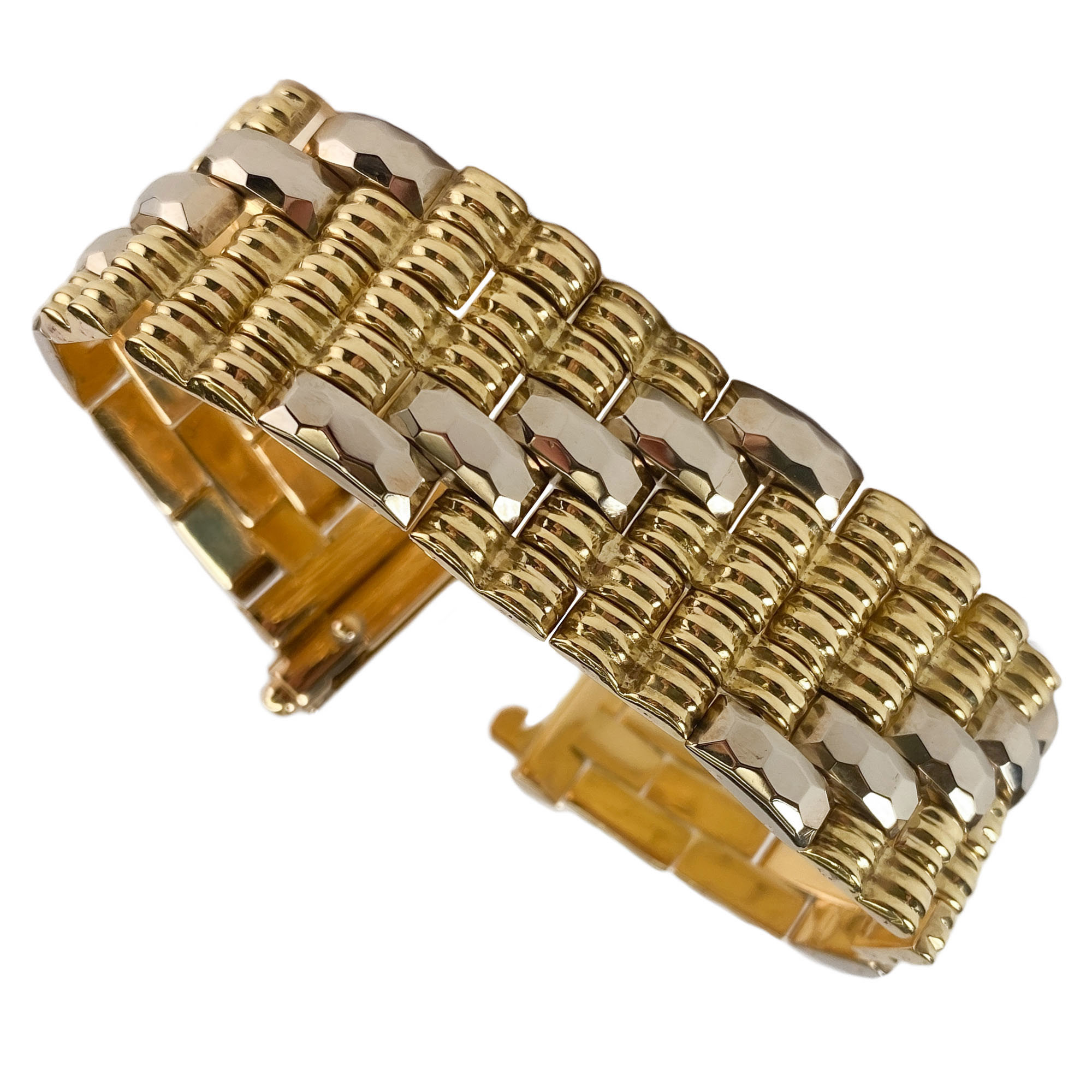
18-karat yellow and white gold bracelet
Italy, 1940s
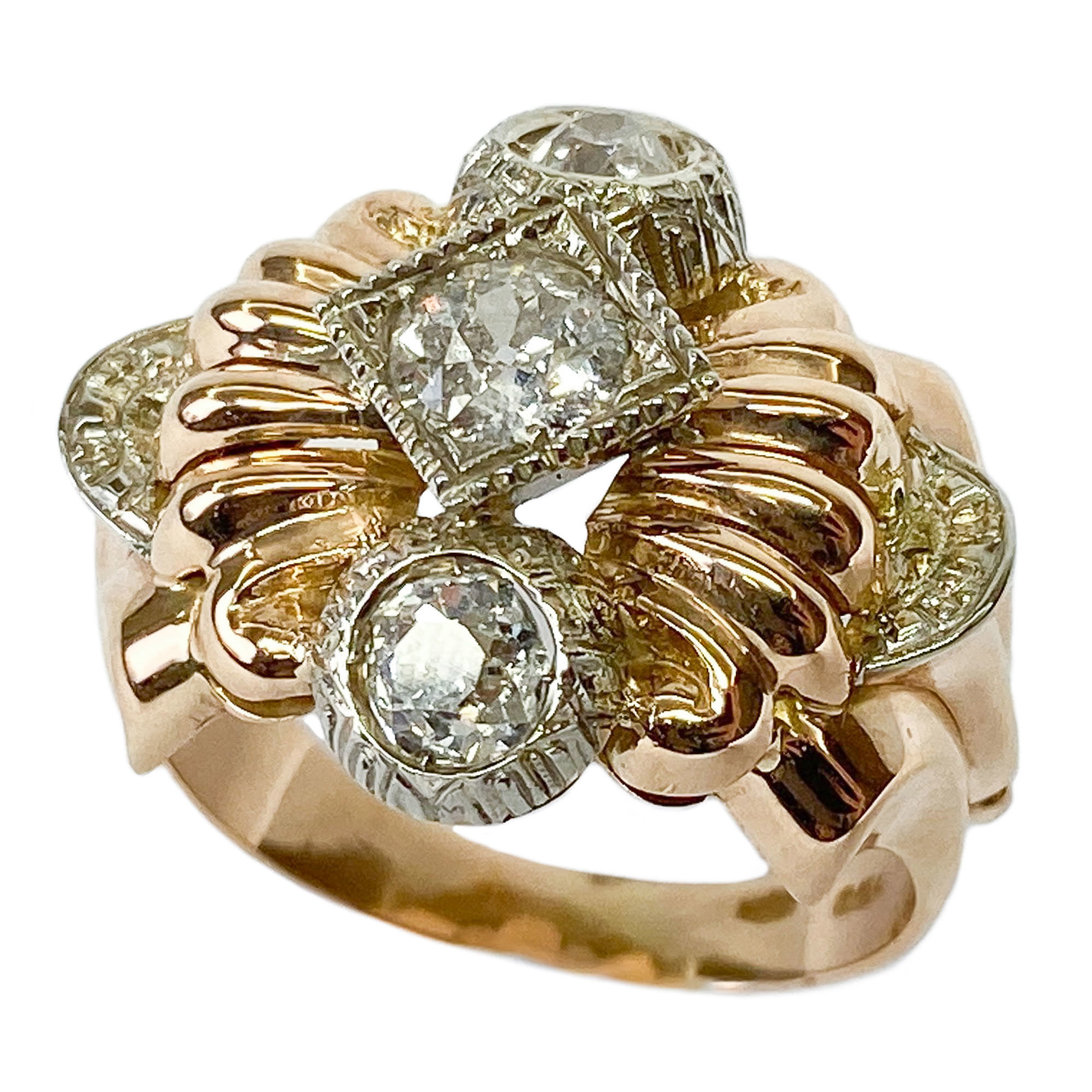
18-karat white and rose gold ring
Italy, 1940s
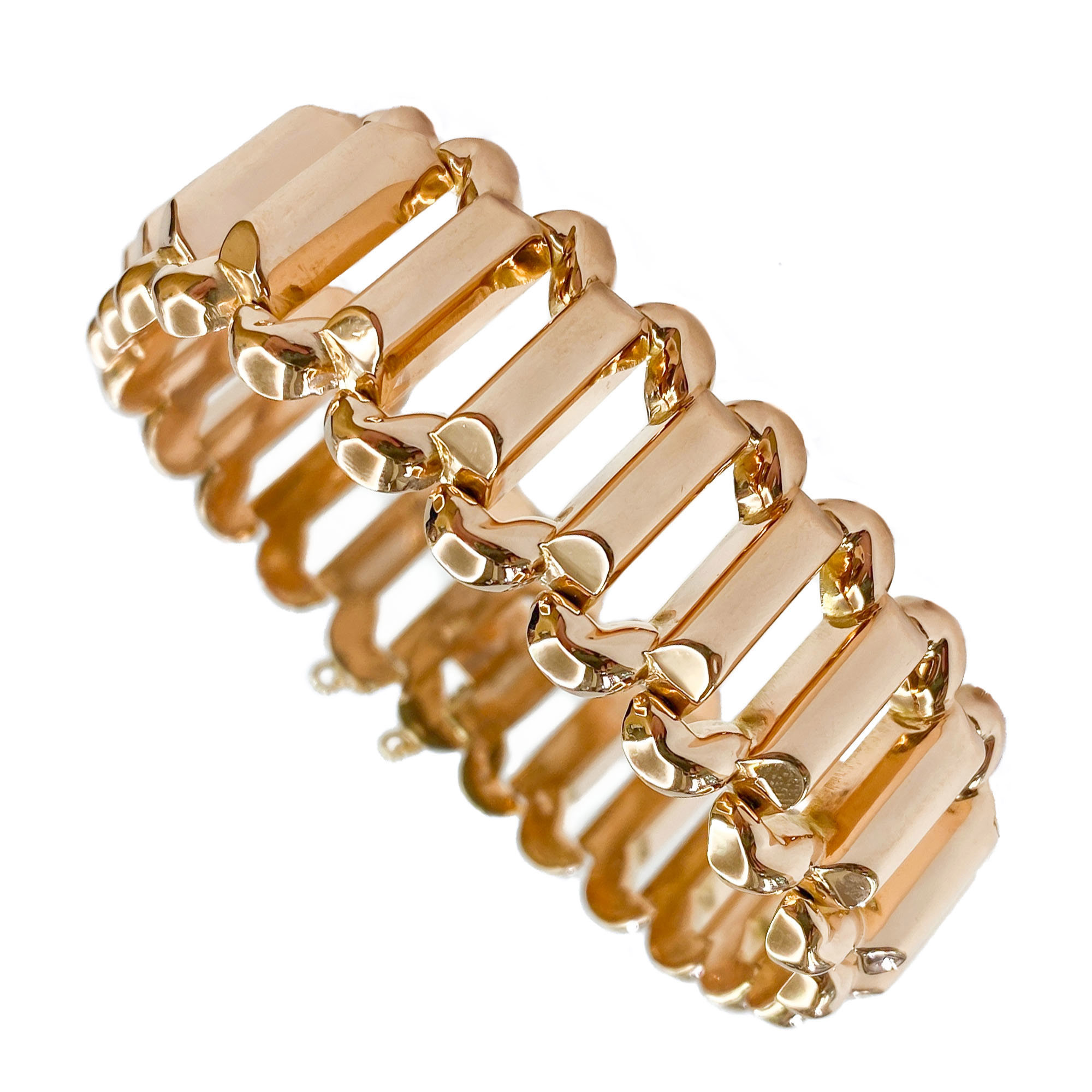
18-karat rose gold bracelet
Italy, 1940s
Gold alloys also allow for different color variations in jewelry, as yellow is the only natural hue of pure gold. Starting from the formula for creating yellow gold, and increasing the amount of copper, at the expense of silver, gold develops pinkish and eventually red tones. White gold, on the other hand, still consists of 750 parts gold, but the remaining 250 parts are made up of palladium or platinum - historically, nickel was also used.
Gold has long been regarded as a safe investment, and its price has fluctuated significantly throughout history. The global economy has been based on the 'Gold Standard' , which linked the amount of money in circulation to a country's gold reserves. Until the 1960s, gold price remained relatively stable under the Bretton Woods agreement, which pegged gold to the U.S. dollar at a fixed 
rate of $35 per ounce, equivalent aproximately to €1 per gram today
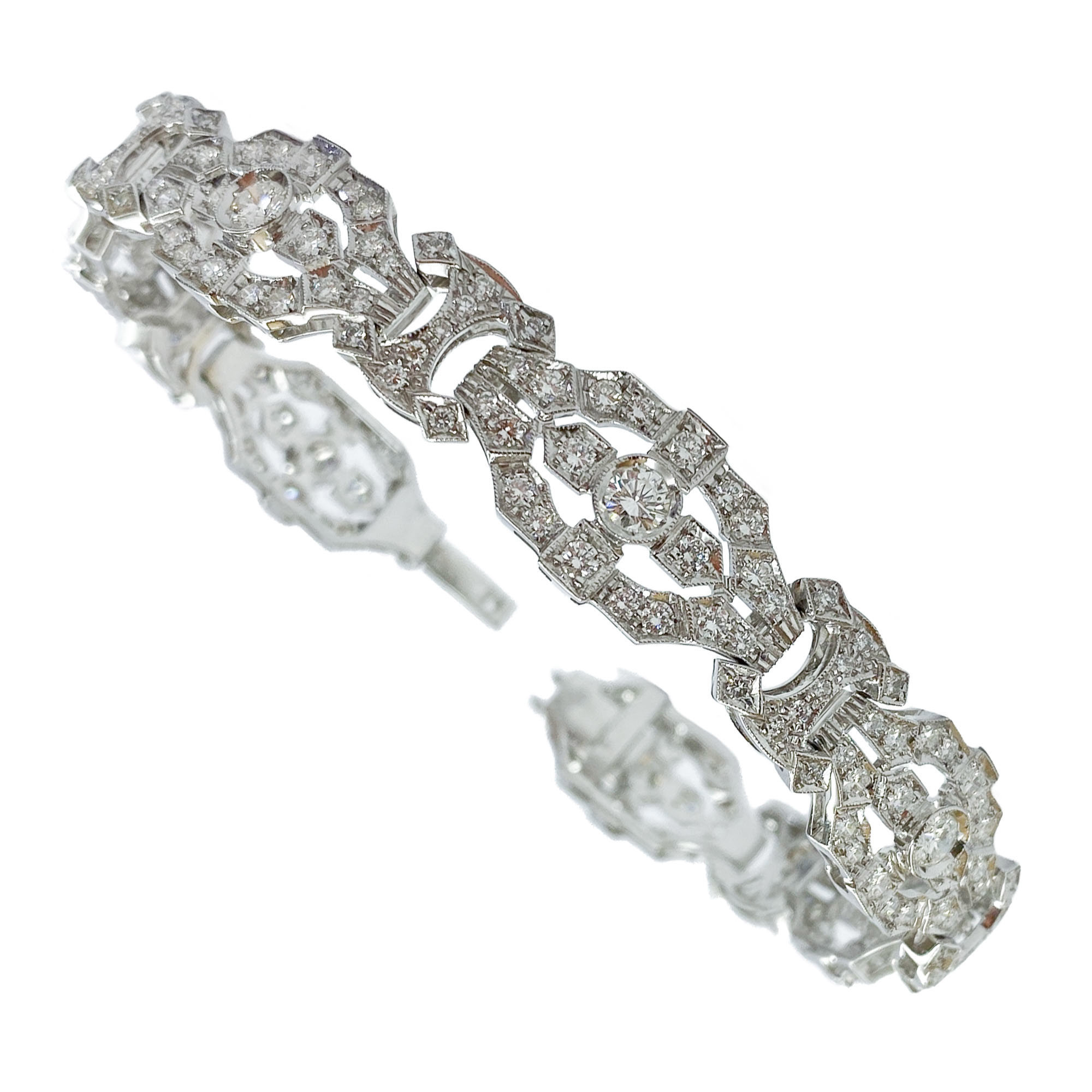
18 karat white gold bracelet 
Italy, 1980s
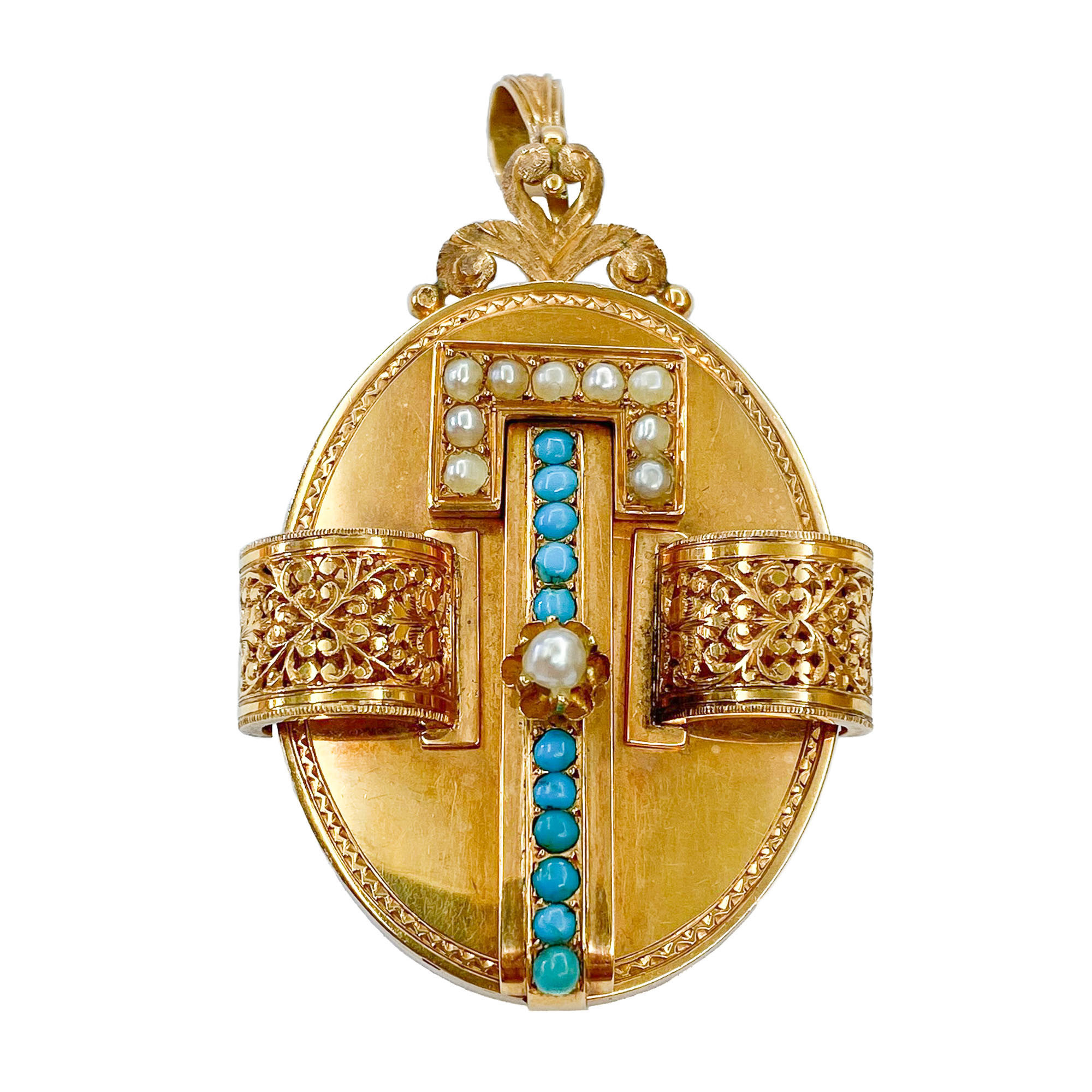
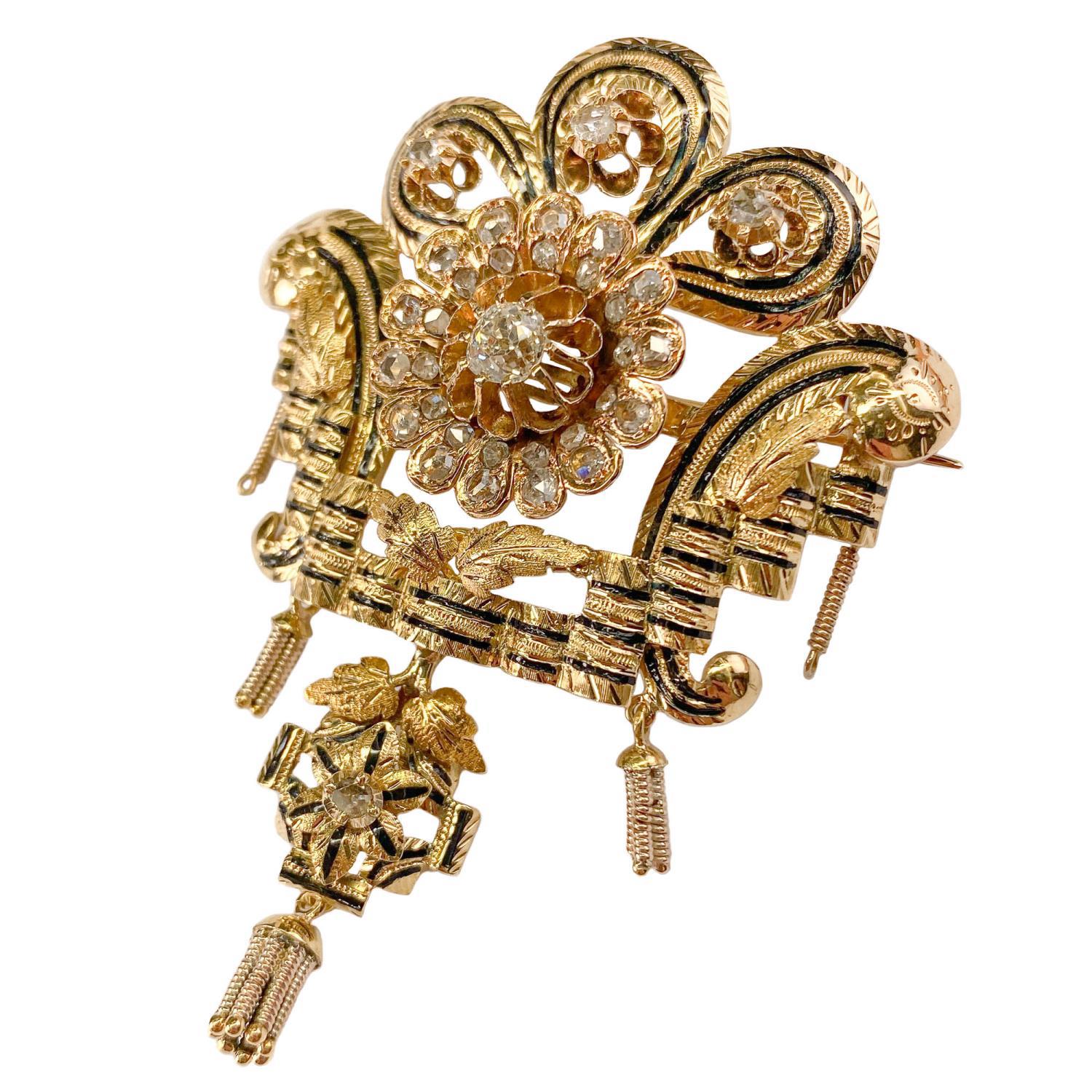
18-karat yellow gold brooch - pendant
Austria, 19th century
This system was abandoned in 1971, allowing gold prices to fluctuate freely in the market. An extraordinary increase in gold prices followed: between 1970 and 1980 gold went from about €1 per gram to a peak of over €18 per gram, adjusted to today's Euro value.
 
In the 1980s and 1990s, the price of gold was influenced increased global economic stability, low inflation rates, and reduced demand for gold as an investment. During this period, gold price ranged between €10 and €14 per gram.  The political instability of the 2000s led to a rapid rise in the price of gold, which stabilized over an extended period at an average level of €40 per gram, reaching a peak at €44 in 2011.
Recently, gold has reached unprecedented highs. After the Covid-19 pandemic and the outbreak of conflicts between Russia and Ukraine, and Israel and Palestine, gold has reached unimaginable peaks and continues to rise. In April 2025 it reached an all time high of €93 per gram, with projections indicating further increases.
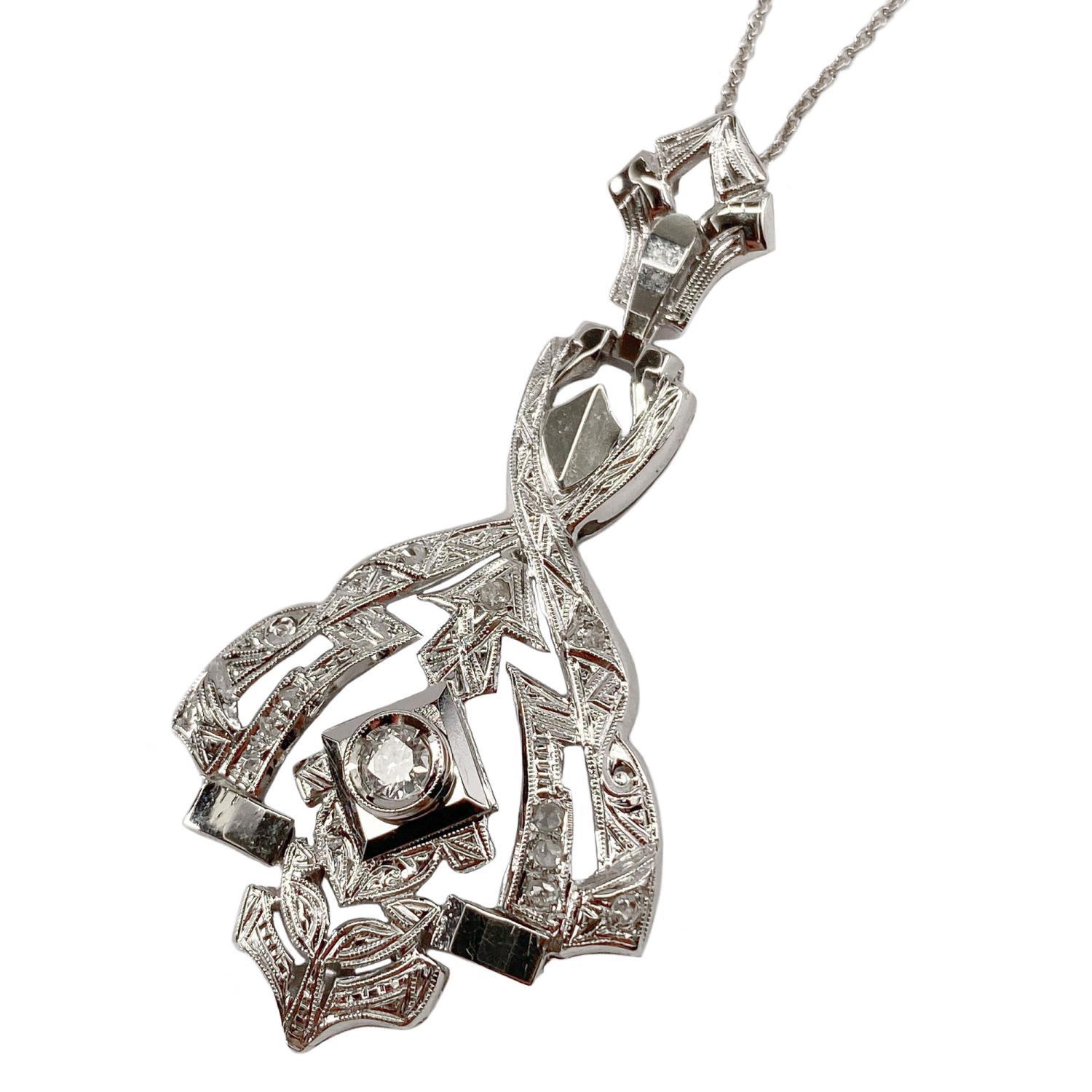
18-karat white gold necklace
Italy, 1930s
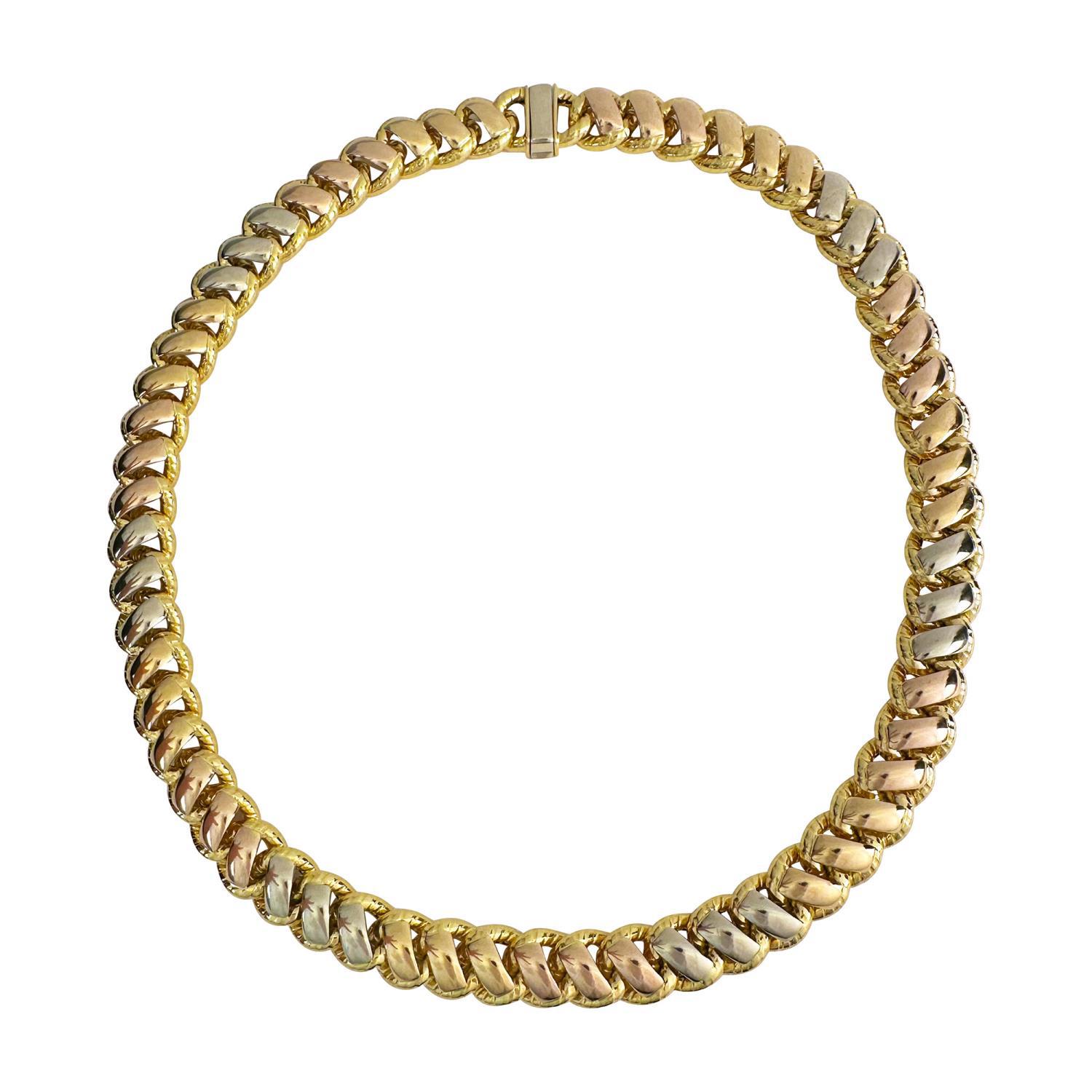
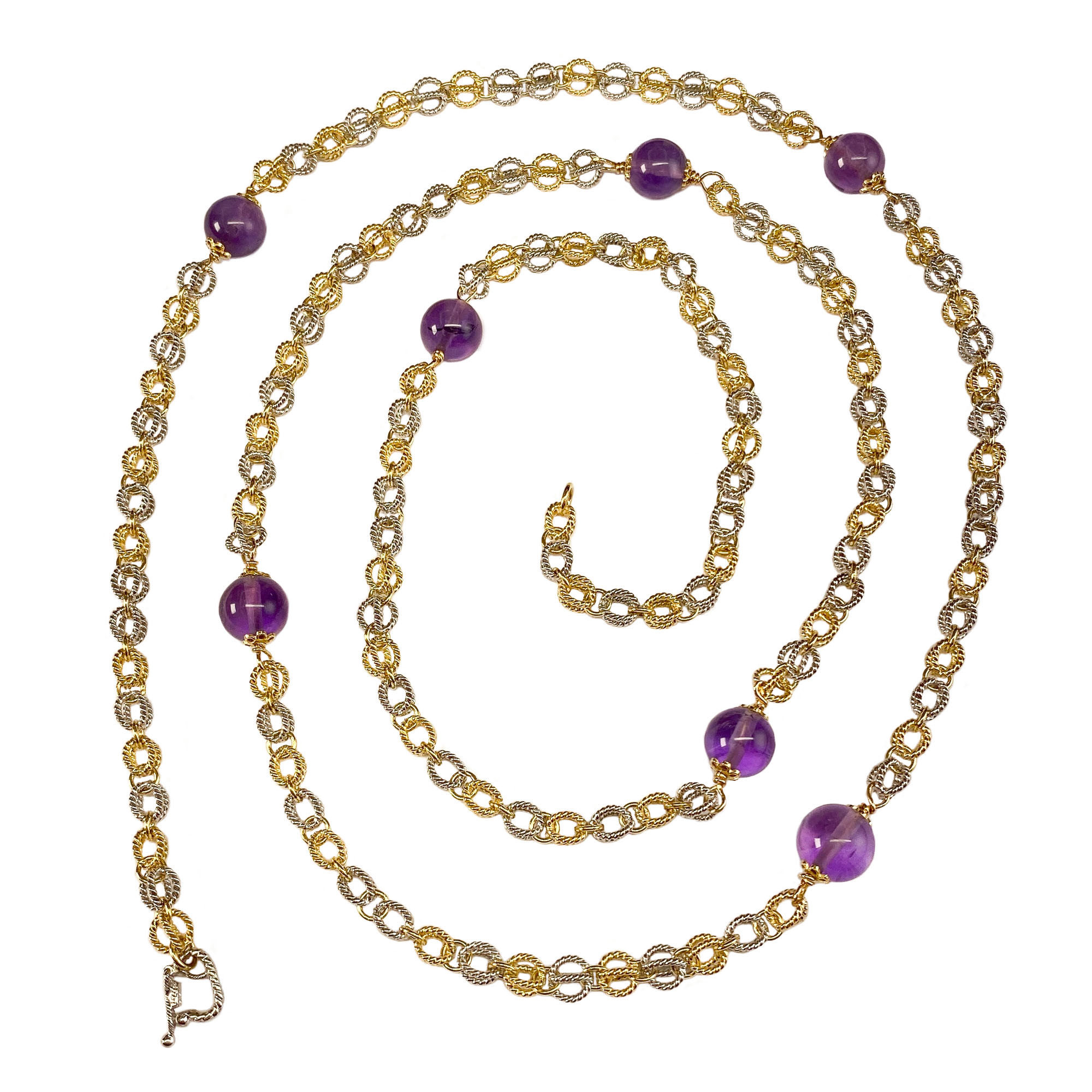
18-karat yellow and white gold necklace
Italy, 1970s
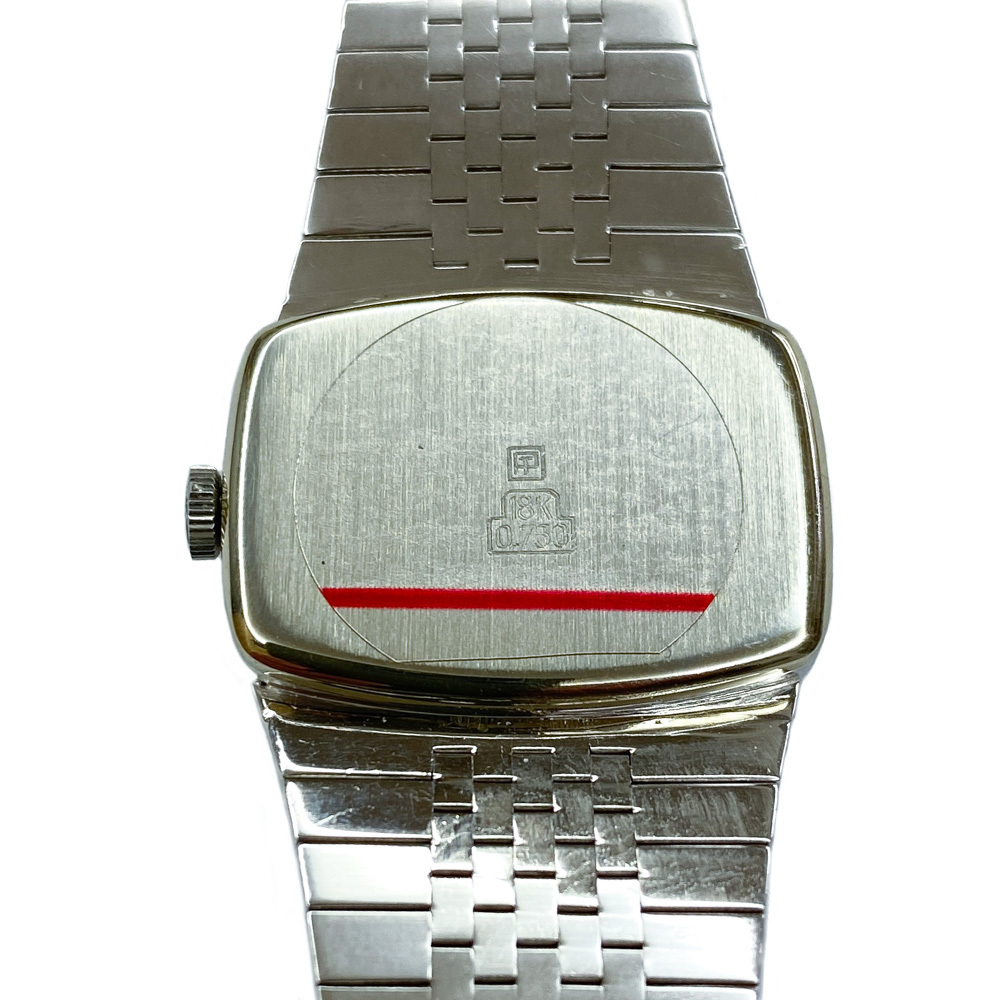
Zenith 18-karat white gold watch
Switzerlamd, 1960s
To verify a gold jewelry piece and its karat value, several methods can be used. Some of them, however, are “homemade” and unreliable to be considered valid. A professional assessment is crucial in this circumstances. The first step is checking for the hallmarks which indicate the gold’s purity. In Italy, market transparency laws mandate that the precious metals display their finest using a stamp. An 18 karat gold piece will bear the 750 hallmark, enclosed in a horizontal lozenge, often found in discreet areas such as the inner band or a ring.
 
However, to provide a definitive assessment, one must test the item with a specific acid. As mentioned, gold is a metal that is virtually unaffected by most agents, including acids, so when exposed to these specialized solutions, gold remains unchanged, while all its imitation will either change color or corrode.
Gold stands as one of the most remarkable metals in human history, distinguished by its unique combination of beauty, rarity, and unparalleled physical and chemical properties, which have made it an irreplaceable material not only in jewelry but in many aspects of life. Beyond its practical applications, gold has held deep symbolic and economic significance throughout civilizations, serving as a representation of power, wealth, and spiritual devotion. From ancient treasures to modern investments, its value has remained steadfast, adapting to historical, political, and economic changes. With its beauty and wide-ranging uses, gold continues to captivate in ways no other metal can match.

Watch the video for a in-depth analysis of the world's most precious metal,. 

Become a Passionario

Chat with us