it / en
it / en

Treasures of the sea

Beauty, value and actuality of the pearls
THE ORIGINS OF PEARLS
 
 
Among all gemstones, the pearl has always been regarded as one of the most fascinating and mysterious. Its beauty is born from a complex biological process that, for centuries, has fueled legends, commerce, and technical innovation. Unlike mineral gemstones, which must be mined and then fashioned by human hands, pearls are the direct creation of living organisms, the pearl-bearing mollusks, capable of producing enchanting masterpieces. This organic nature, combined with the unique iridescent glow known as orient, has placed pearls among the most beloved and sought-after gems of all time.
 
The process of formation is as simple as it is fascinating. When a foreign body, such as a grain of sand or a small parasite, accidentally penetrates the mantle of a mollusk, the animal reacts defensively. It secretes layer upon layer of mother-of-pearl, also called nacre, gradually encasing the intruder and transforming it into a luminous sphere of rare beauty.
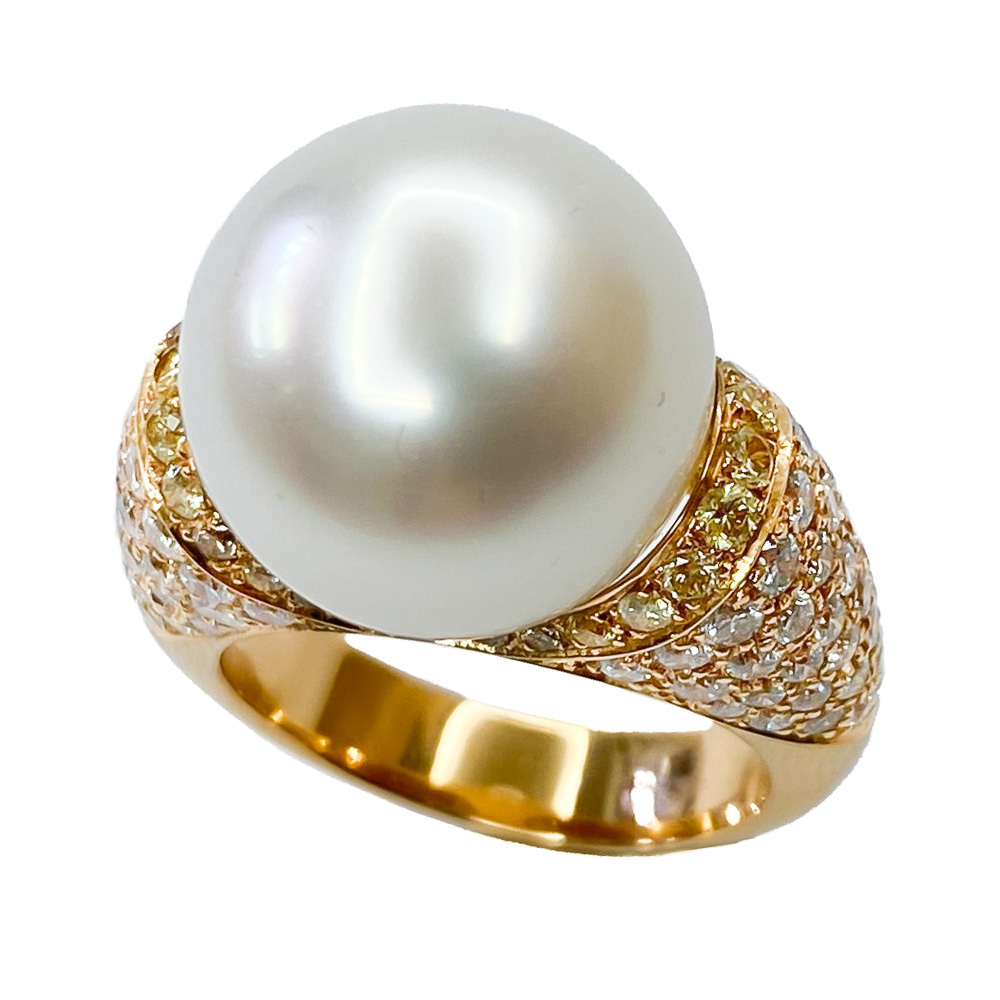
Ring with South Sea pearl
Italy
In nature, this phenomenon is exceedingly rare and takes many years, which is why natural pearls have always been
regarded as treasures of exceptional value.
 
For centuries, humanity relied solely on these gems born of chance, harvested primarily in the waters of the Persian Gulf, India, Sri Lanka, the Red Sea, and along the Japanese coasts. Natural pearls were so rare that they surpassed gold in value; they were reserved only for sovereigns, emperors, and sultans, and became enduring symbols of power and privilege. Already in Roman times, pearls were considered the ultimate luxury: it is said that one of Julius Caesar’s motivations for conquering the British Isles was the presence of abundant and precious pearls along those shores.
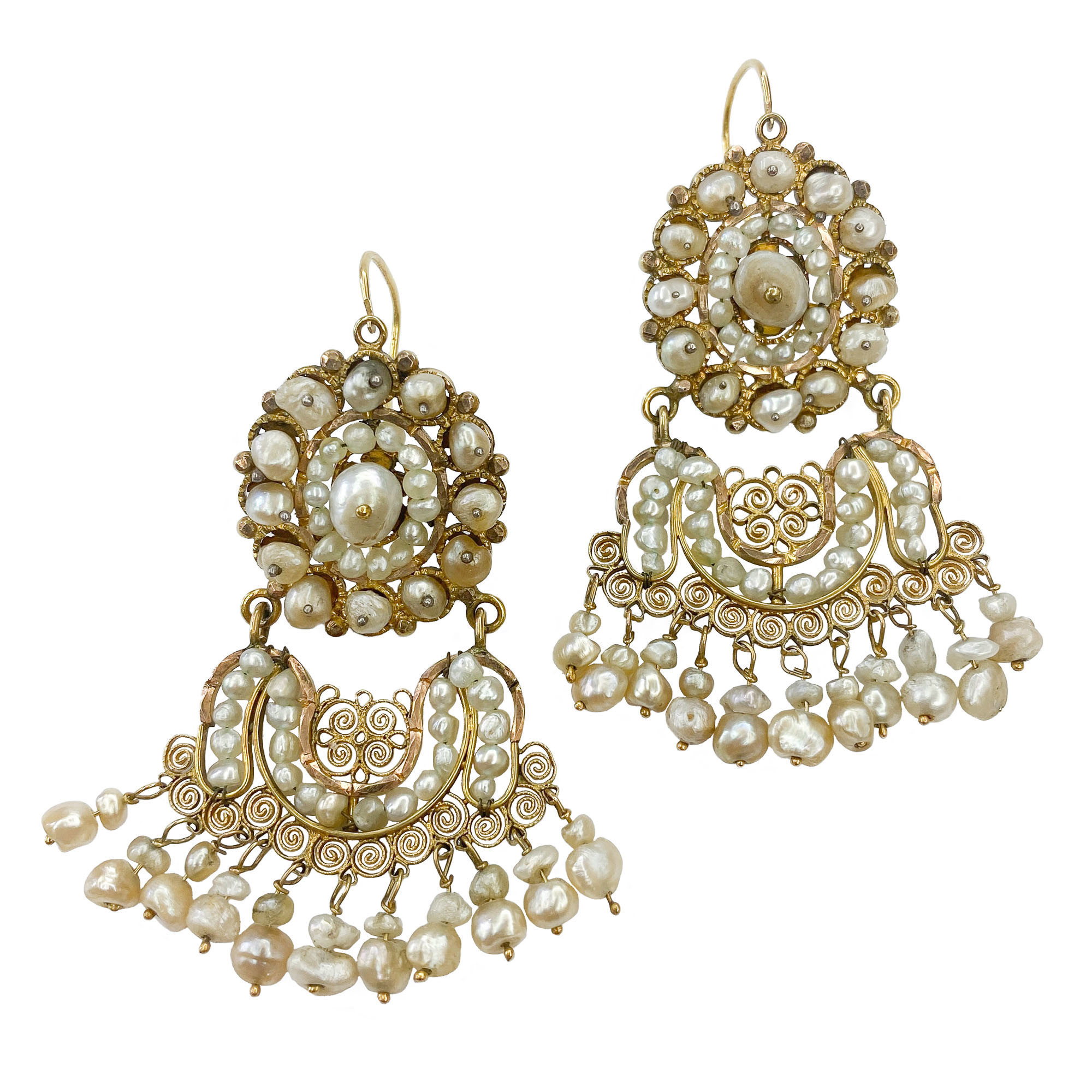
Earrings with natural pearls
Italy, 19th century
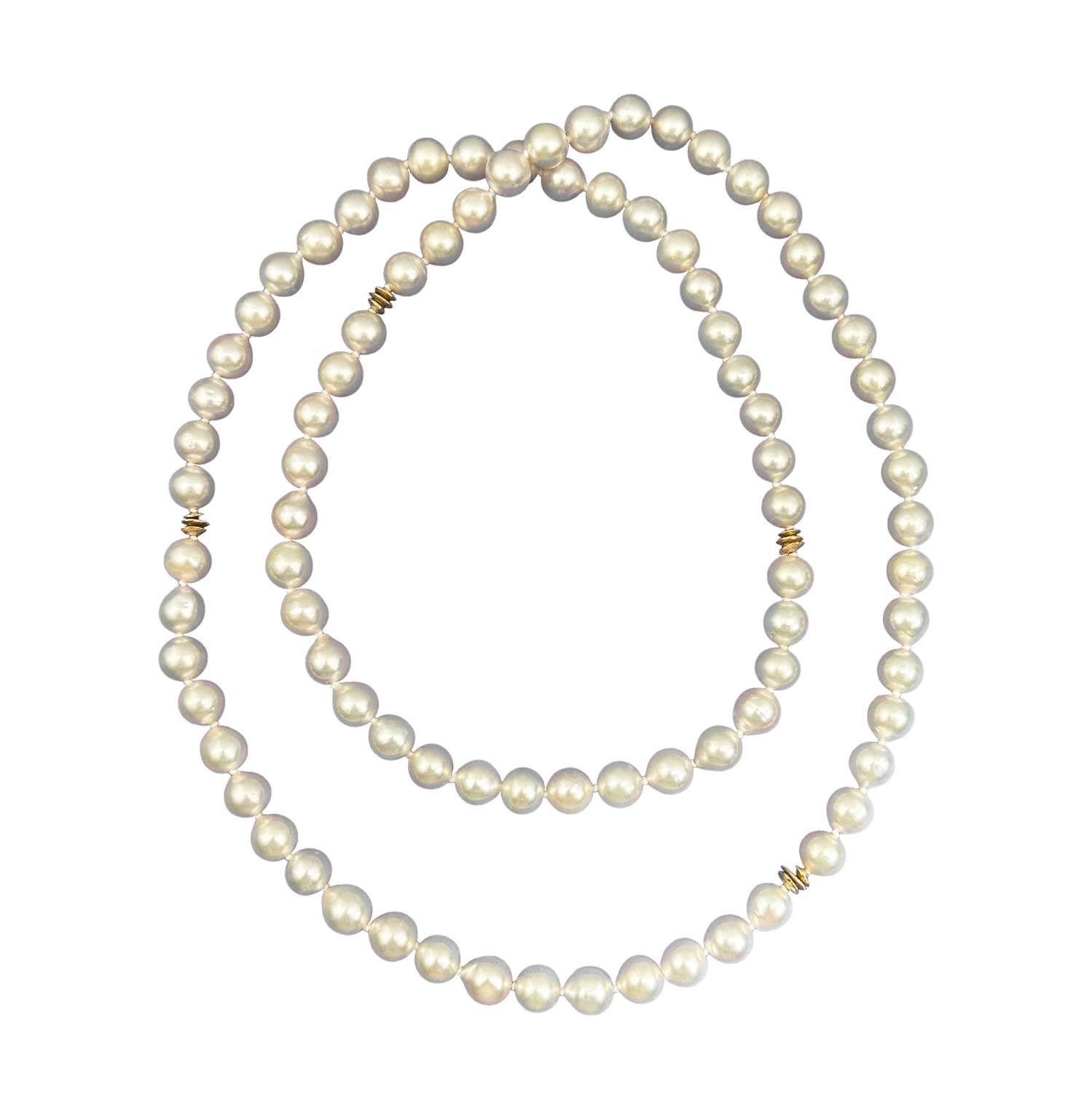
Necklace with Akoya pearls
Italy, 1970s
THE CULTIVATION REVOLUTION
 
Intensive harvesting, however, soon depleted the natural beds and made an alternative solution imperative. The turning point came between the late 19th and early 20th centuries in Japan, where the first techniques of artificial cultivation were perfected.
 
Kokichi Mikimoto, the son of a noodle restaurateur, was deeply fascinated by the importance pearls held in Japanese culture and devoted himself to finding a way to “assist nature” in creating them rather than waiting for chance. After years of trials and setbacks, in 1893 he succeeded in producing the first cultured semi-spherical pearl in the mollusk Pinctada fucata martensii.
The true revolution came in the 1910s, when the research of Tokichi Nishikawa and Tatsuhei Mise made it possible to cultivate perfectly spherical pearls virtually indistinguishable from natural ones. From this breakthrough emerged the famed Japanese Akoya pearls generally modest in but celebrated for their unmistakable brilliance. The method involves a delicate surgical procedure during which a small nucleus of mother-of-pearl, together with a piece of epithelial tissue, are inserted into the mollusk.
 
The tissue then stimulates the secretion of nacre, which over the years envelopes the nucleus, forming a pearl. After two to four years of cultivation in the sea, the mollusks are harvested and their pearls carefully retrived.
 
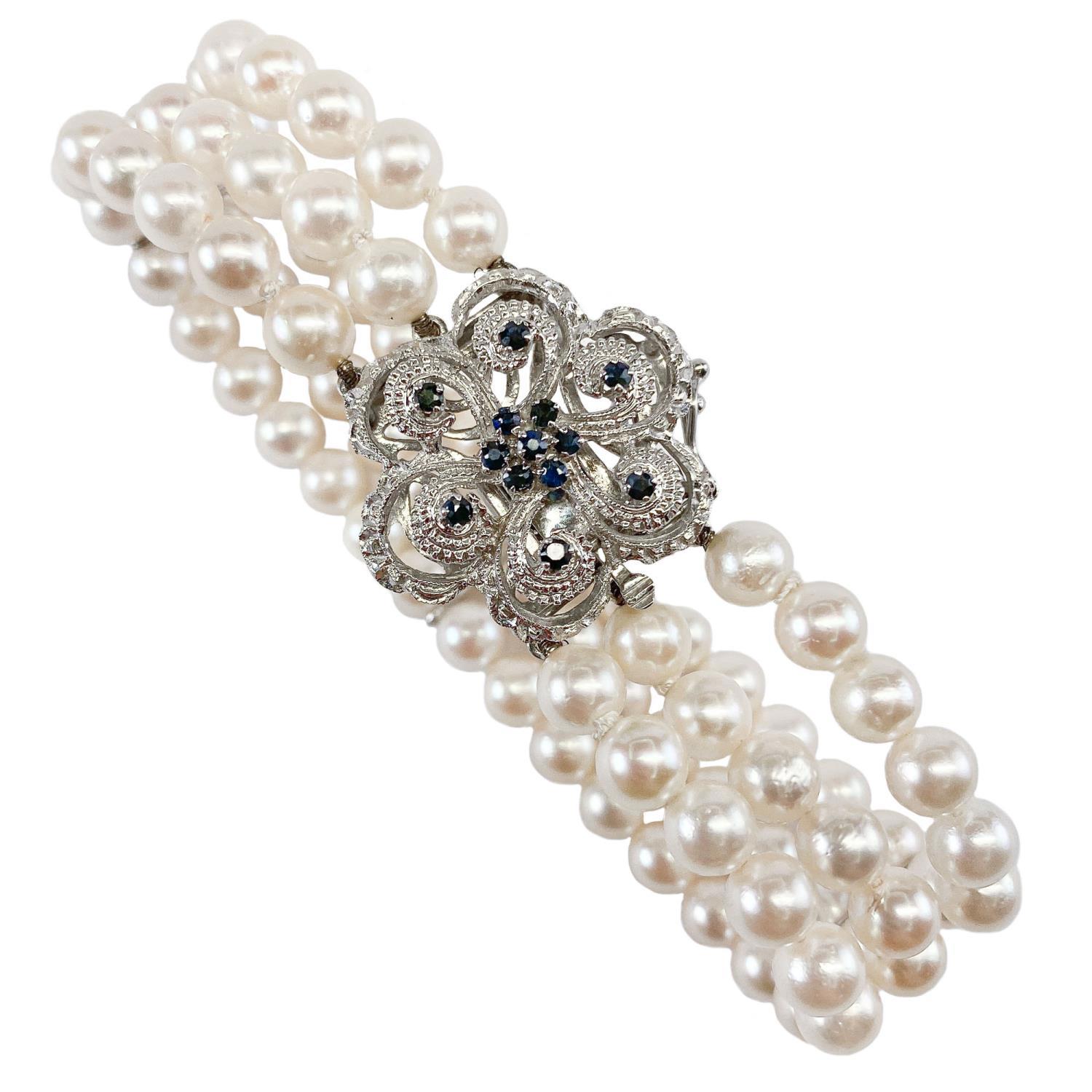
Bracelet with Akoya pearls
Italy, 1960s
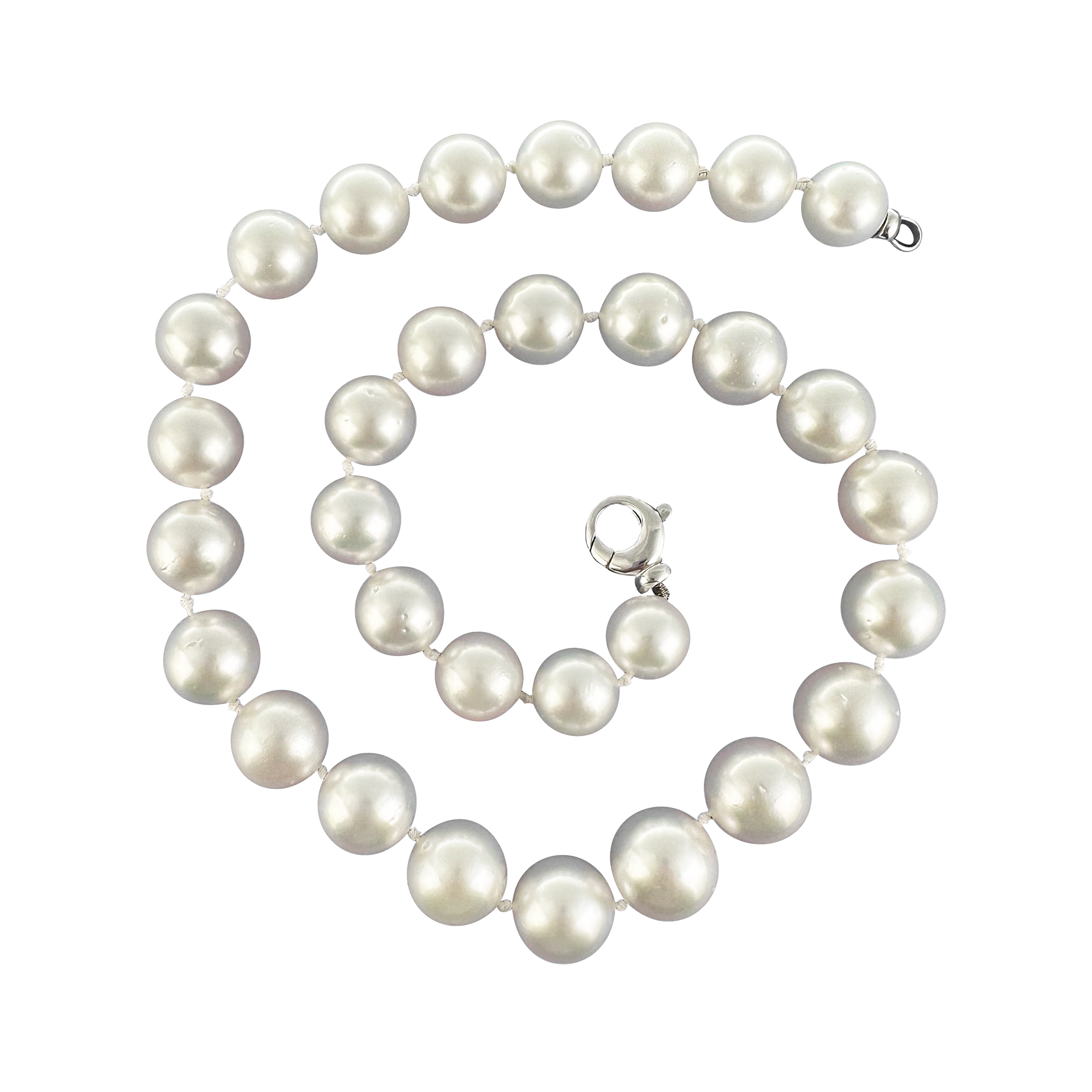
Necklace with South Sea pearls
Italy
In the 1950s, the Japanese exported their expertise to Australia, where they established farms of Pinctada maxima, a mollusk capable of producing the celebrated South Sea pearls, renowned for their imposing and exquisite shades, ranging from silvery white to deep gold.
 
At the same time, in French Polynesia, the cultivation of Pinctada margaritifera gave rise to the iconic Tahitian pearls, whose dark, iridescent hues range from peacock green to anthracite gray. There, unlike in other regions, pearl production is overseen by the government, which sets annual quality and quantity standards to prevent price collapse and safeguard market balance. This careful regulation has ensured that the black South Sea pearls remain among the most prestigious and instantly recognizable in the world.
Beginning in the 1970s, freshwater cultured pearls also spread, particularly in China’s lakes, where large-scale farming led to overproduction. The result was a drastic decline in commercial value and, at the same time, significant environmental damage.
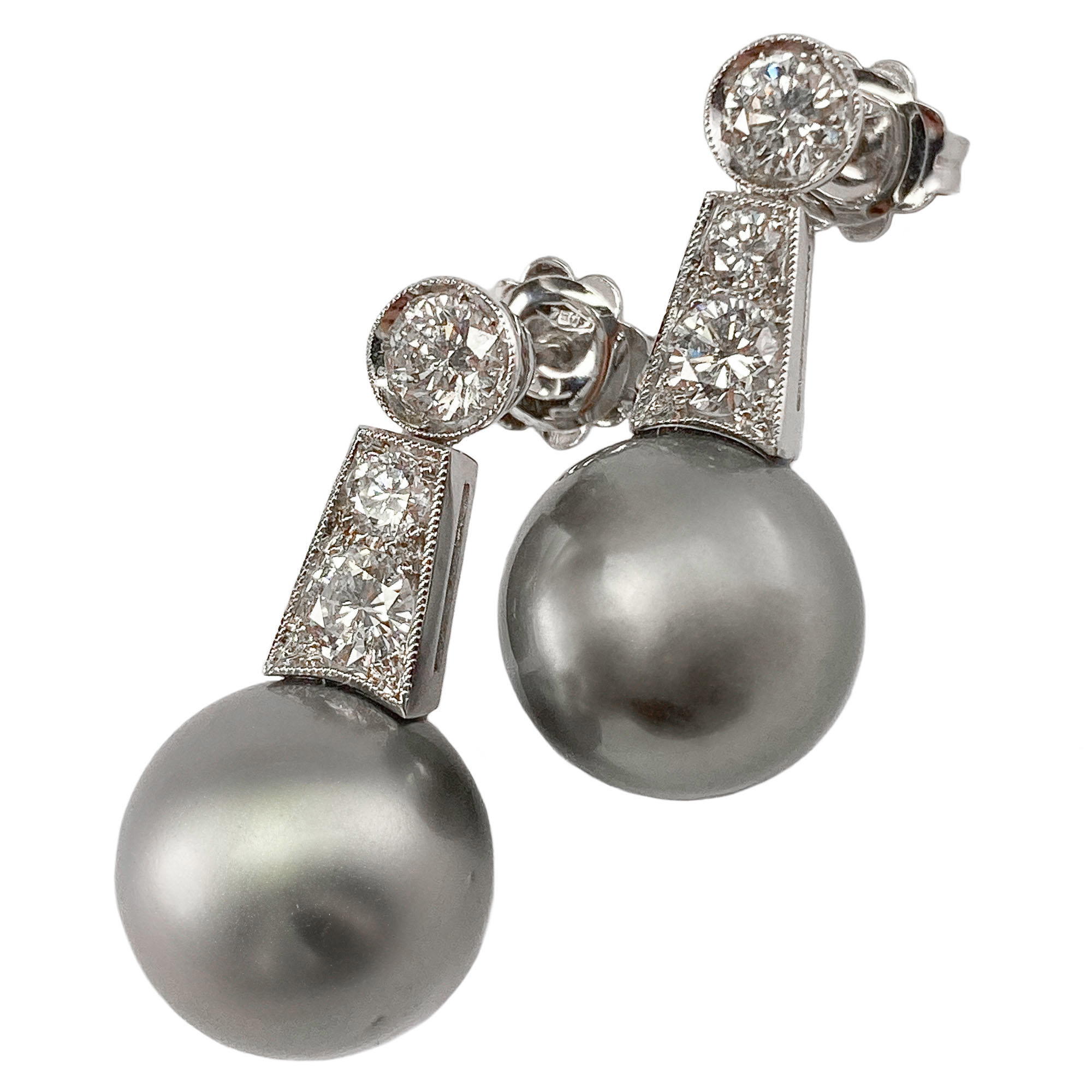
Earrings with South Sea Black pearls
Italy
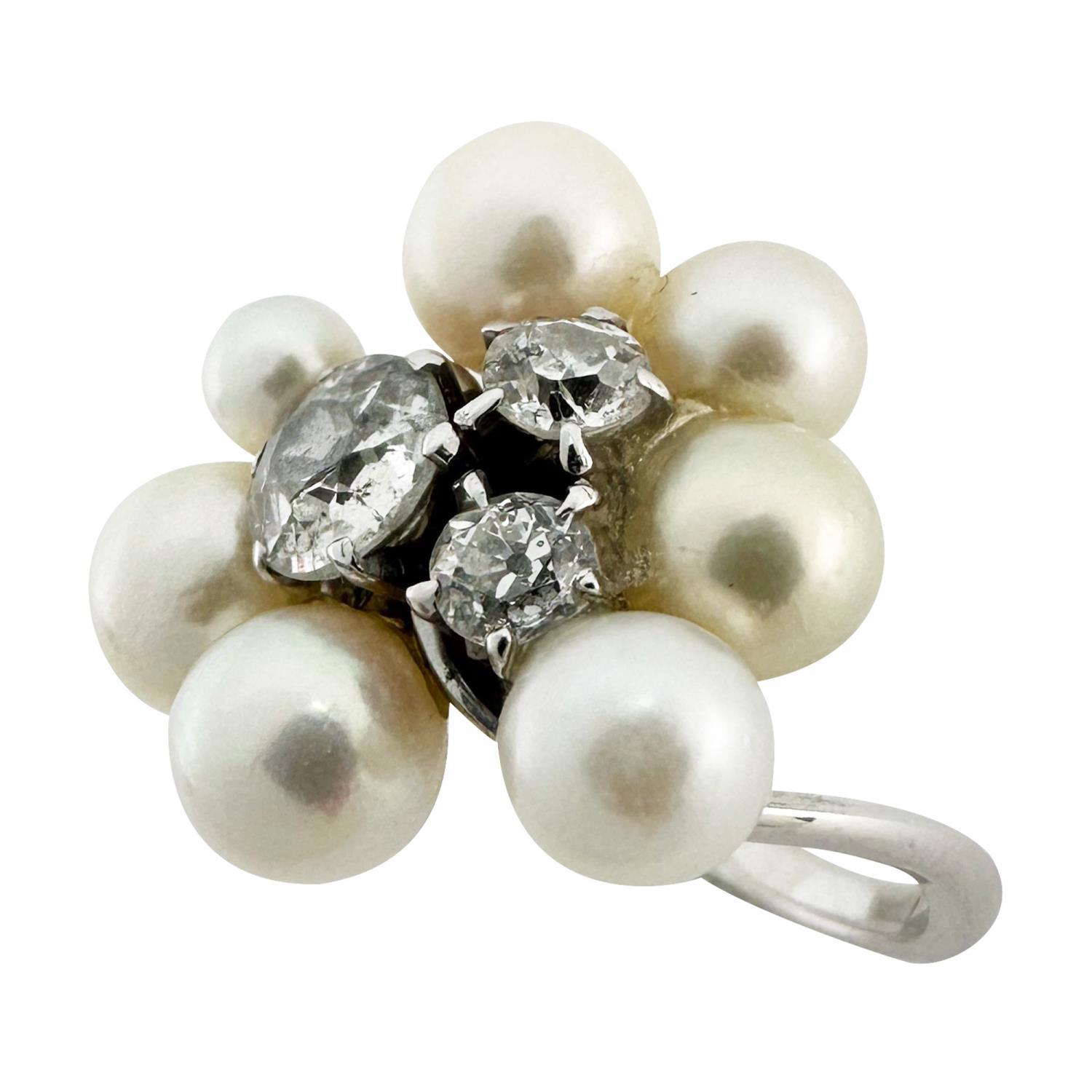
Ring with Akoya pearls
Italy, 1960s
VALUE AND TIMELESS ELEGANCE 
 
The value of a pearl depends on many factors. Foremost are luster, the quality with which the surface reflects light, and orient, the inner iridescent glow created by overlapping layers of mother-of-pearl. Shape is equally decisive: while perfectly round pearls are the rarest, baroque pearls, with their irregular and unique forms, possess a singular allure. Size is another measure: the larger the diameter, the greater the worth. Finally, color contributes to an endless variety of shades, from milky white to delicate rose, and from gray to deep black, making each pearl truly one of a kind.
A testament to their extraordinary value is the story of Pierre Cartier, who in 1917 famously acquired the Cartier Mansion on the Fifth Avenue in New York, paying its owner with three strands of natural pearls of exceptional rarity.
 
From the Renaissance onward, pearls adorned the jewels of queens and noblewomen, as countless portraits of the era attest. Yet it was only with Japanese cultivation in the 20th century that pearls became fully integrated into modern jewelry, establishing themselves as an essential element of feminine elegance. Icons such as Coco Chanel, who made pearls her signature, and Audrey Hepburn in Breakfast at Tiffany's secured their place in the imagination of style.
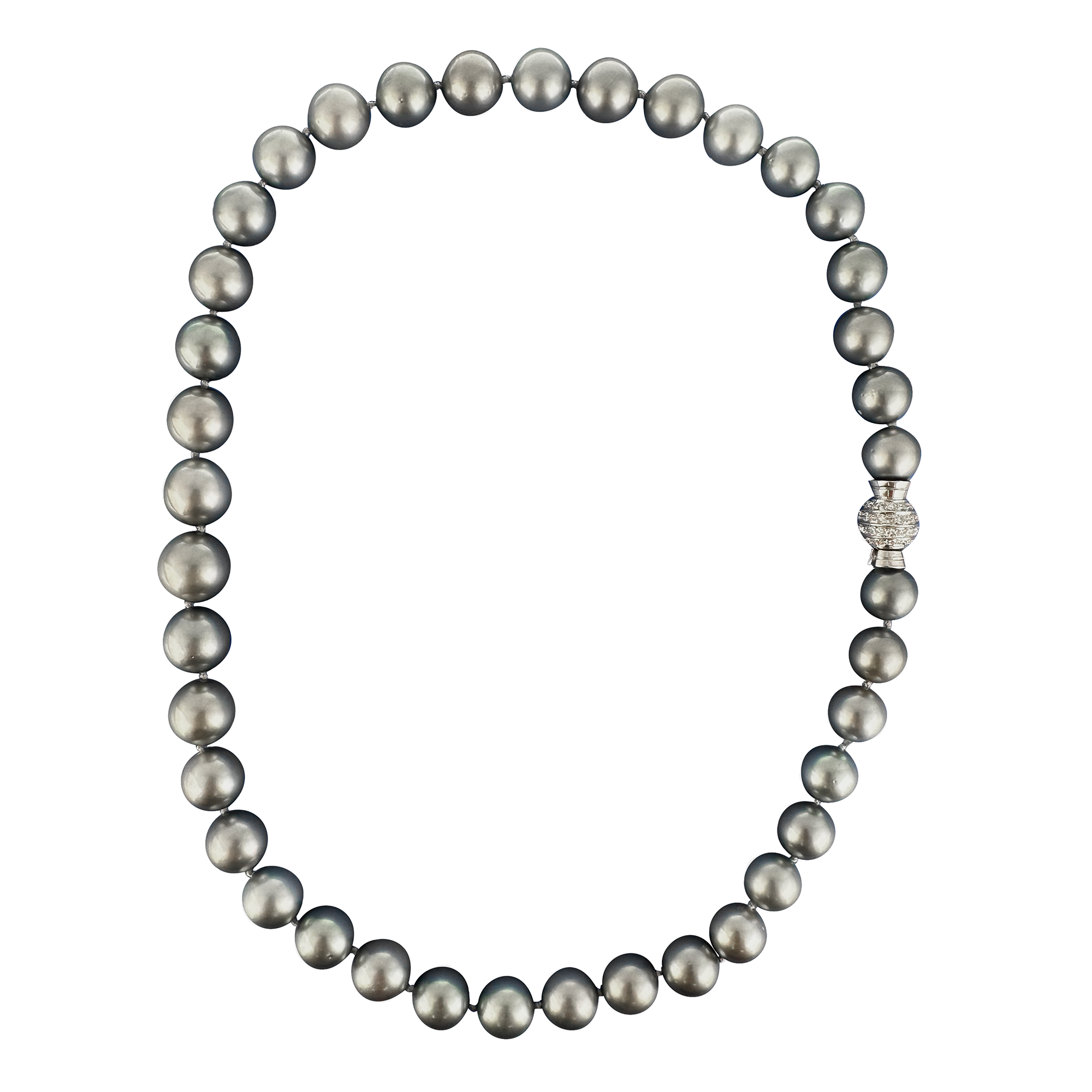
Necklace with South Sea Black pearl
Italy
Pearls are not mere gemstones, but biological miracles. Through the silent labor of mollusks and the ingenuity of humankind in refining their cultivation, they continue to embody elegance and refinement, capable of traversing the centuries while constantly reinventing themselves. Today, as in the past, pearls remain emblems of prestige and delicacy, equally suited to timeless classics as to contemporary haute joaillerie, affirming a value that transcends commerce and endures in the eternal myth of natural beauty.
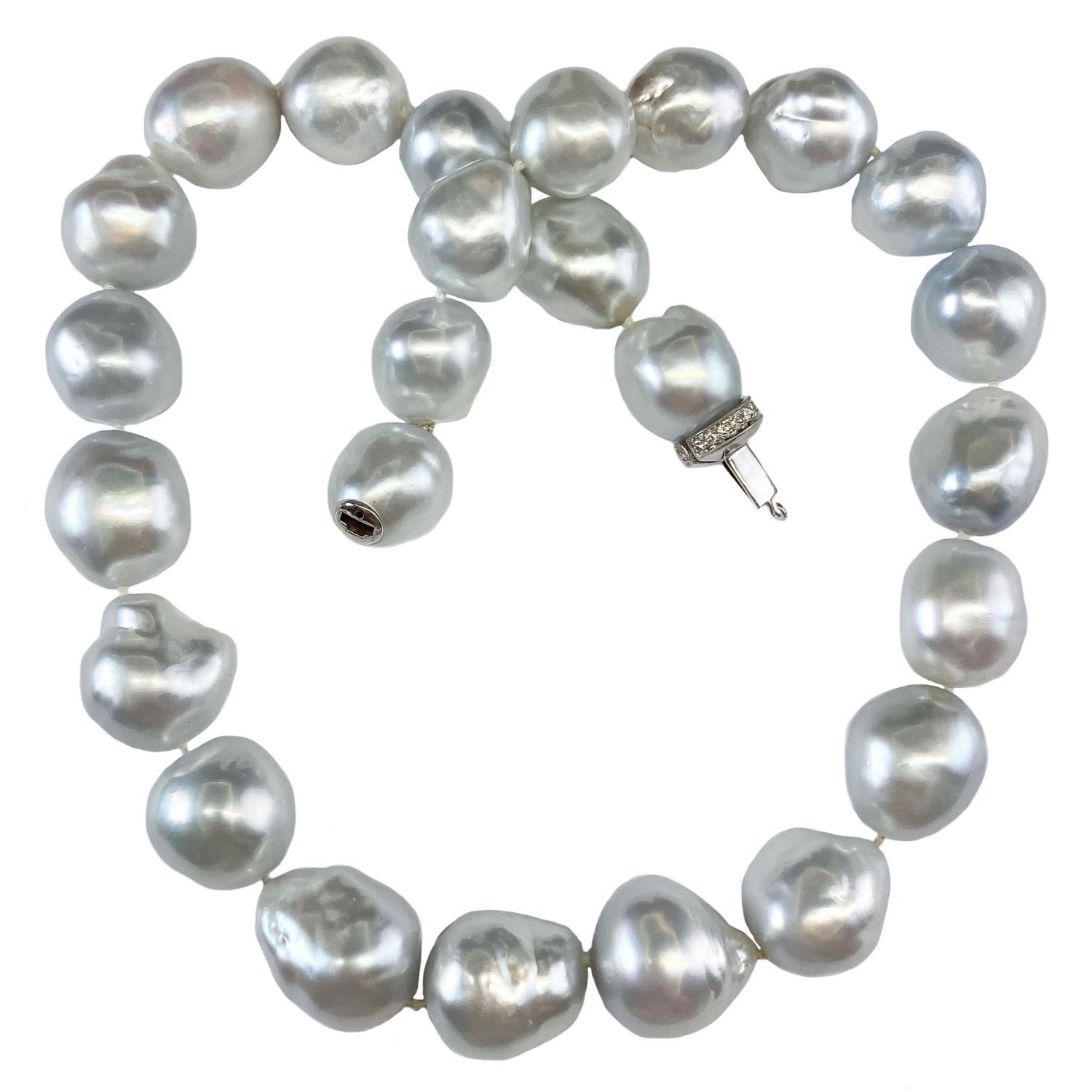
Necklace with South Sea pearls
Italy

Watch the video to see some of our beautiful pearl items 

Become a Passionario

Chat with us