it / en
it / en

The invisible side of gemstones

Superstitions, Symbols, and Beliefs
Before they were ever used in jewelry, gemstones were ideas.
They are fragments of nature removed from the ordinary flow of time, materials that seem to defy decay, death, and oblivion. Across every civilization that has left a trace of itself, one constant emerges: wherever humankind encountered a rare, luminous, and enduring stone, it felt compelled to assign it a meaning that surpassed mere materiality.
 
The myths associated with gemstones are not a marginal phenomenon, nor a simple form of folklore. Rather, they represent an early, but never naïve, form of symbolic thought in which religion, medicine, observation of nature, and imagination coexist. To understand these beliefs today does not mean to believe in them, but to recognize that gemstones have always been something more than simple material goods.
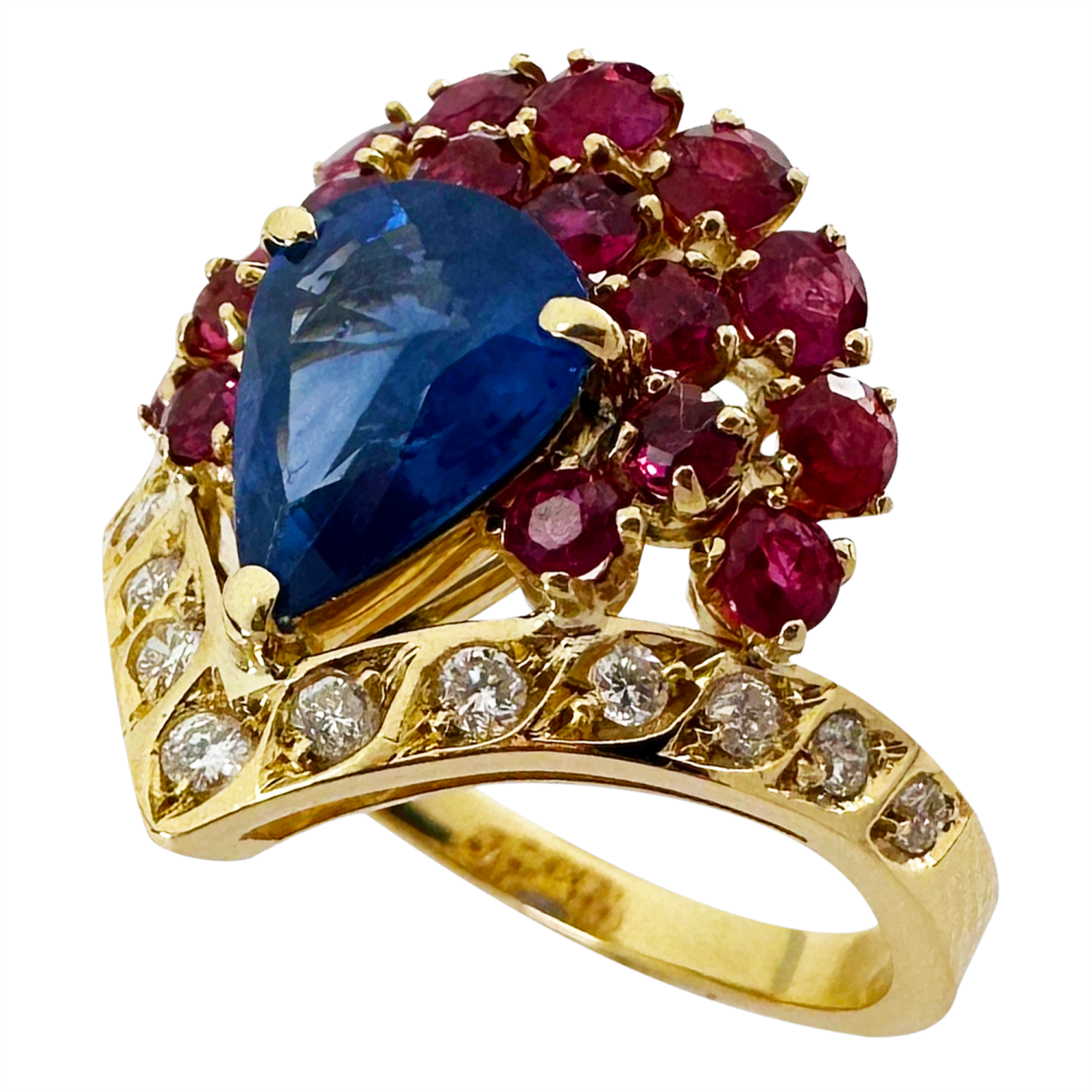
Ring with sapphire, rubies and diamonds
Italy 1960s
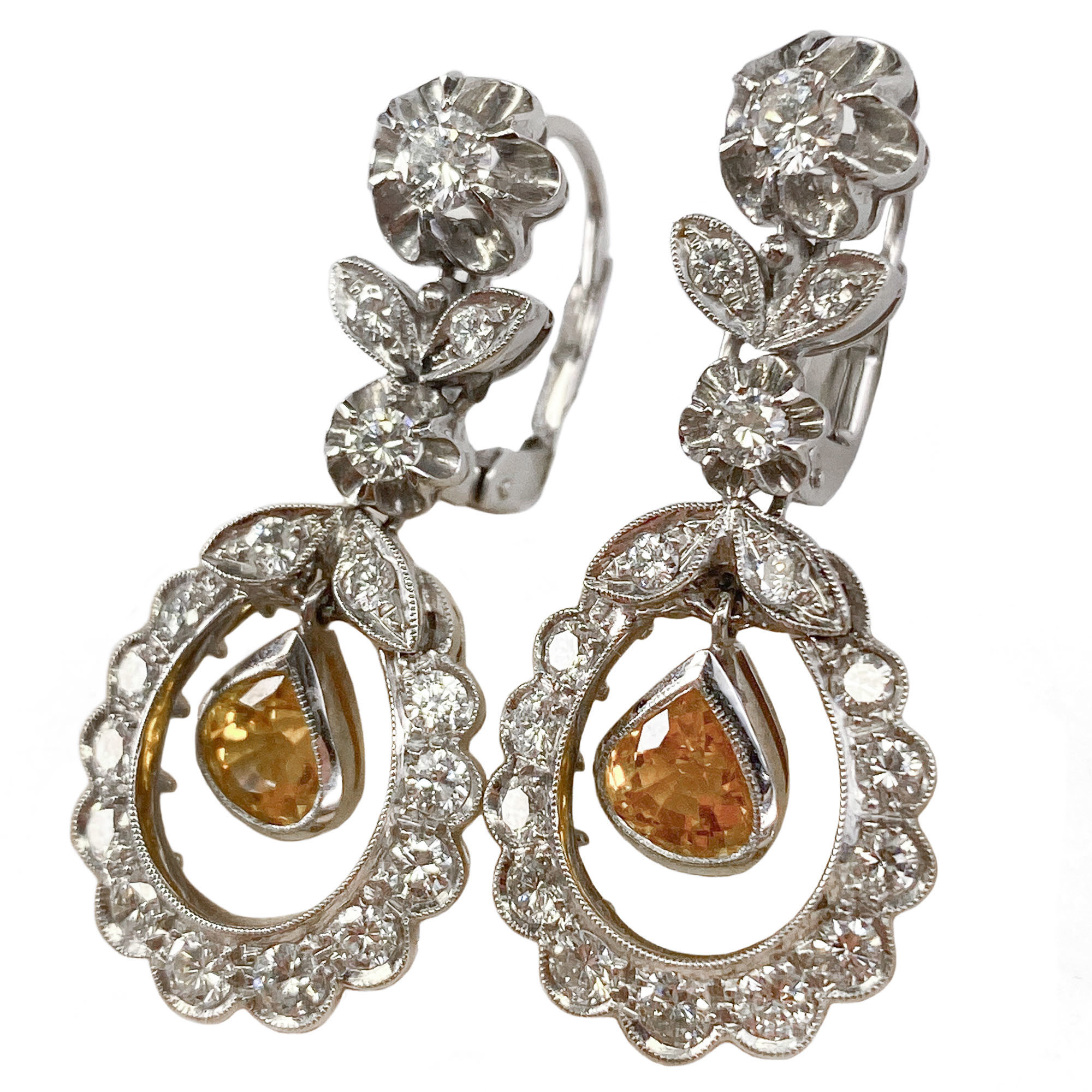
Earirngs with yellow sapphires and diamonds
Italy 1950s
Gemstones enter human history very early, long before writing, worked metals, or advanced craftsmanship. Quartz, amber, and lustrous shells were collected, preserved, and exchanged from the earliest times not because they were useful, but because they were different. In a world governed by instability, gemstones offered an appearance of resistance and permanence: they did not rot, they did not change, they did not wear away. For this reason, they became among the first materials to be endowed with sacred and protective value.


Over time, every physical characteristic of stones came to be associated with invisible qualities: hardness became strength, transparency became truth, color became life, sky, blood, or light. Superstition thus emerged not as blind credulity, but as an attempt to read the world through its most exceptional signs.
Diamond

Long before it became an emblem of luxury or sentimental eternity, the diamond embodied a more radical concept: absolute incorruptibility. Its hardness—greater than that of any other known natural substance—made it, from antiquity onward, a material seemingly removed from the laws of wear and finality.
In ancient India, the diamond was conceived as protection against the disorder of the world: illness, enemies, inexplicable misfortune. It was not valued for its beauty, but for its strength, and this strength was believed to be transferable to the person who wore it.

Greek and Roman culture carried this vision forward, transforming the gemstone into a metaphor for steadfast character—firm, whole, and immune to moral corruption. The very name adamas, from which the modern term derives, means that which cannot be conquered, broken, or bent. 
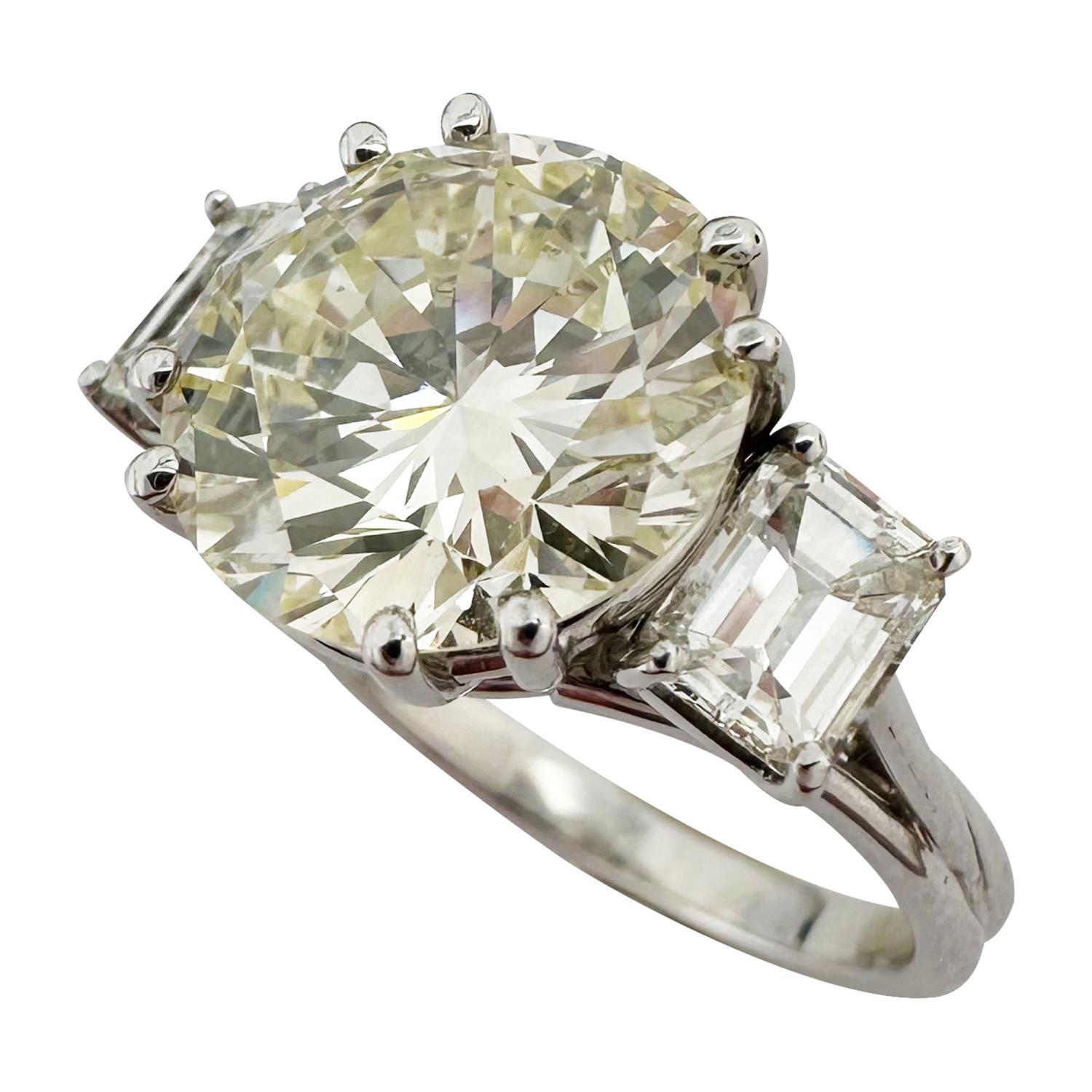
Ring with diamonds
Italy
In medieval Europe, beliefs surrounding the diamond became even more complex: it was thought to protect against poison, sorcery, and malevolent spirits. Wearing a diamond also meant aspiring to inner perfection, to a solidity of the soul that mirrored the stone’s physical nature.
 
With the modern age and the rise of scientific gemology, the diamond officially lost its magical status. Yet its symbolic power did not fade. To this day, the diamond is chosen to represent eternity, fidelity, and resistance to time—not because its powers are still believed, but because it continues to evoke a deeply human desire: that something might never end.
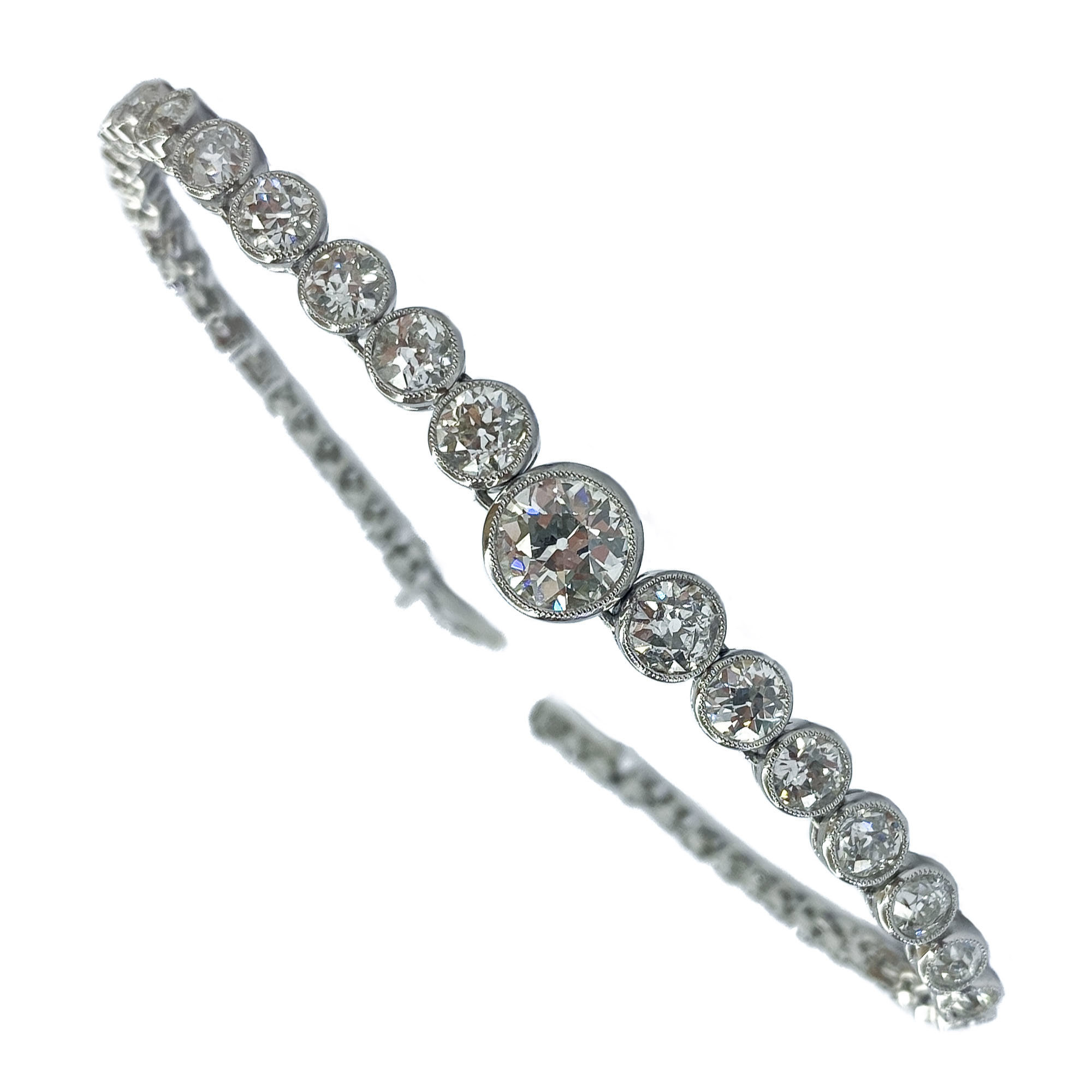
Bracelet with diamonds
Italy 1920s
Ruby
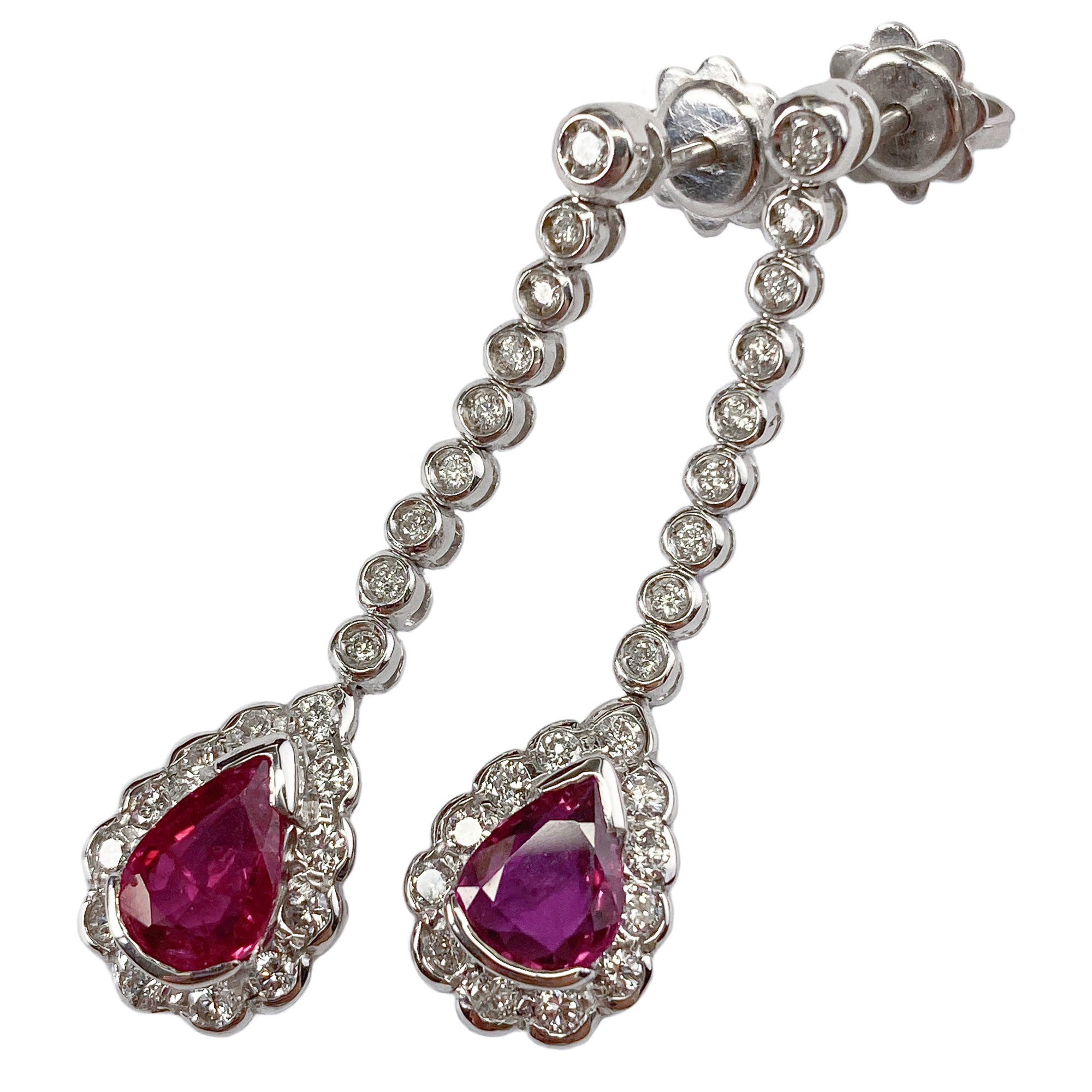
Earrings with rubies and diamonds
Italy 1970s
The intense, profound red of the ruby has, in every culture and in every age, suggested associations with blood, warmth, and vital energy. In Asia, it was believed that the ruby contained an inner flame—a living light capable of protecting both the body and the spirit of its wearer.
 
In the ancient and medieval worlds, the ruby became the stone of power and warfare. It promised protection in battle, courage in decision-making, and resistance to fear. For this reason, it was the gemstone of kings and commanders, set into crowns, swords, and insignia of authority. During the Middle Ages, it was also believed that rubies could change color in the presence of imminent danger, reinforcing the idea of the ruby as a silent sentinel, a vigilant ally against betrayal and sudden violence.
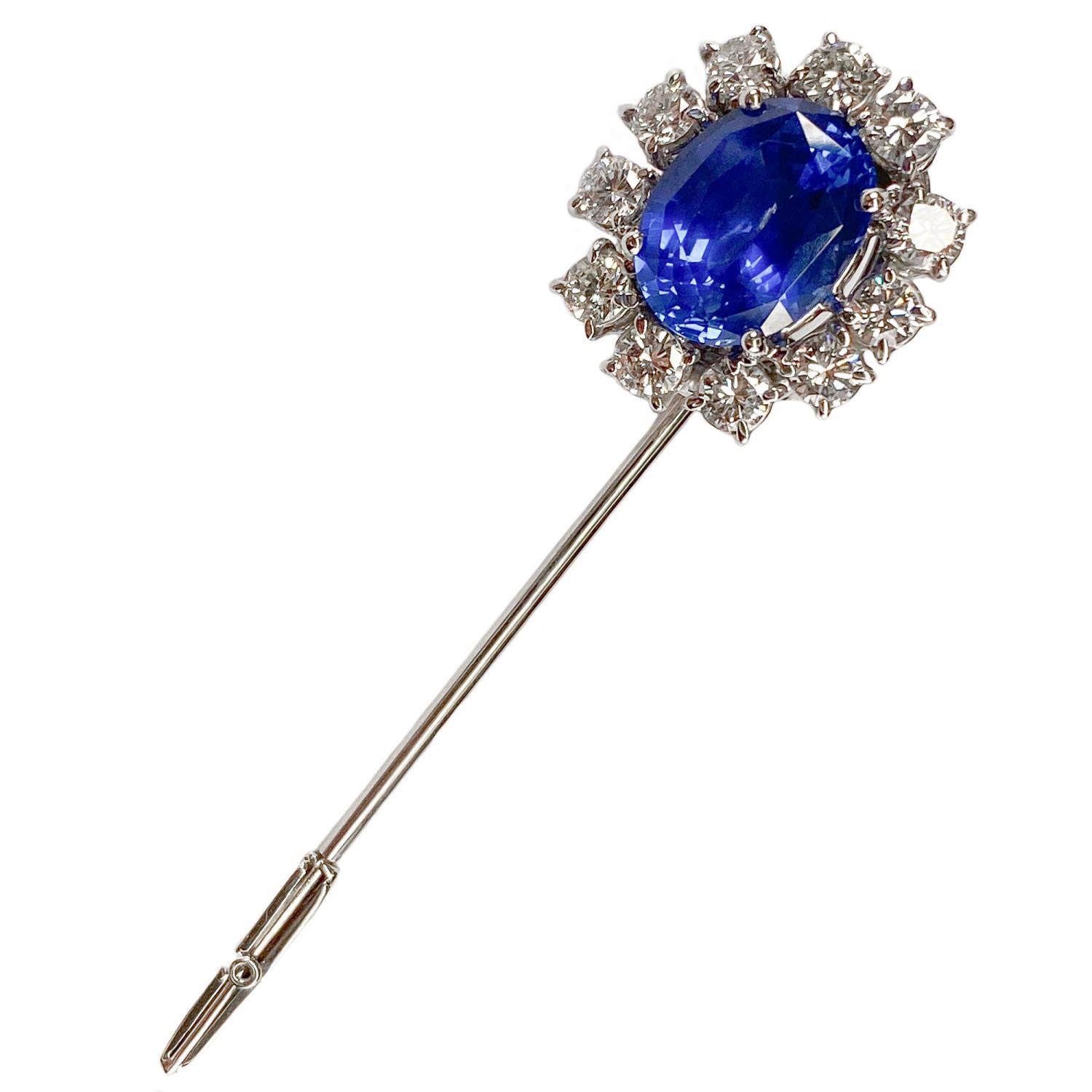
Blue Sapphire

From antiquity onward, the deep blue of the sapphire has been associated with the sky—not as a physical space, but as a superior, stable, and immutable principle. In many cultures, this gemstone represented justice and truth and was therefore chosen by judges, sovereigns, and religious figures as a symbol of moral authority. Its color evoked impartiality, balance, and detachment from earthly passions.
In the Middle Ages, it was said that the sapphire “loves purity,” an expression used to describe its ability to calm the spirit, dispel impure thoughts, and favor prayer and meditation. Its color and clarity visually embodied the idea of restored order.
 
Even today, blue sapphire communicates stability and continuity—not through magical promises, but through a long history of cultural associations that continue to speak to our collective imagination.
Jewel with sapphire and diamonds
Italy 1960s
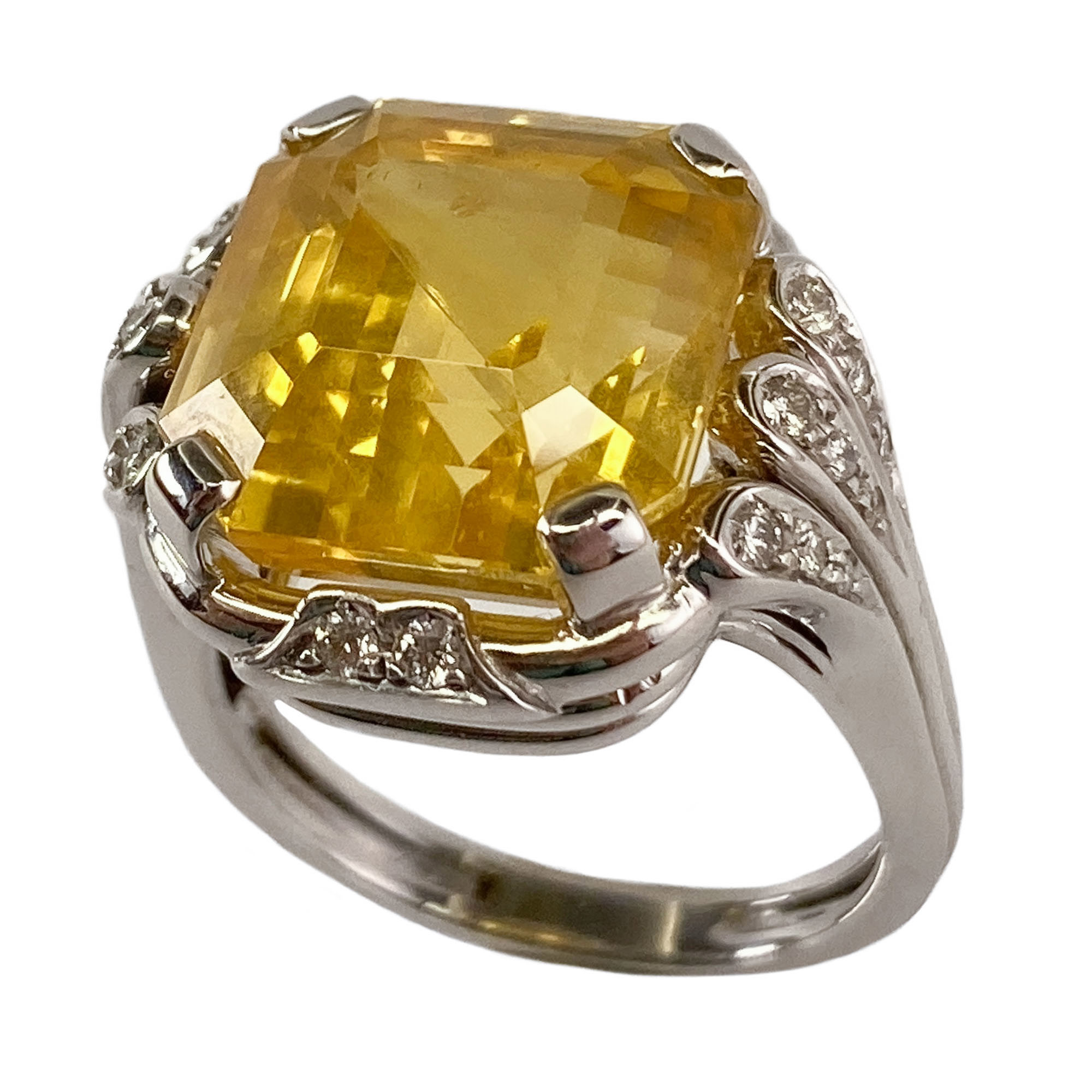
Yellow sapphire
Ring with yellow sapphire
Italy 1970s
Unlike its blue counterpart, traditionally associated with the nocturnal sky and transcendence, yellow sapphire evokes sunlight and the knowledge that illuminates and makes things visible. In Eastern cultures, it was often associated with intellect, wisdom, and mental clarity, as yellow was seen as the color of profound understanding.
 
In medieval Europe, yellow sapphire was sometimes linked to prosperity and good governance. It was believed to encourage balanced decisions and ward off greed. In this sense, it embodied an ideal of enlightened wealth, of prosperity guided by reason rather than excess.
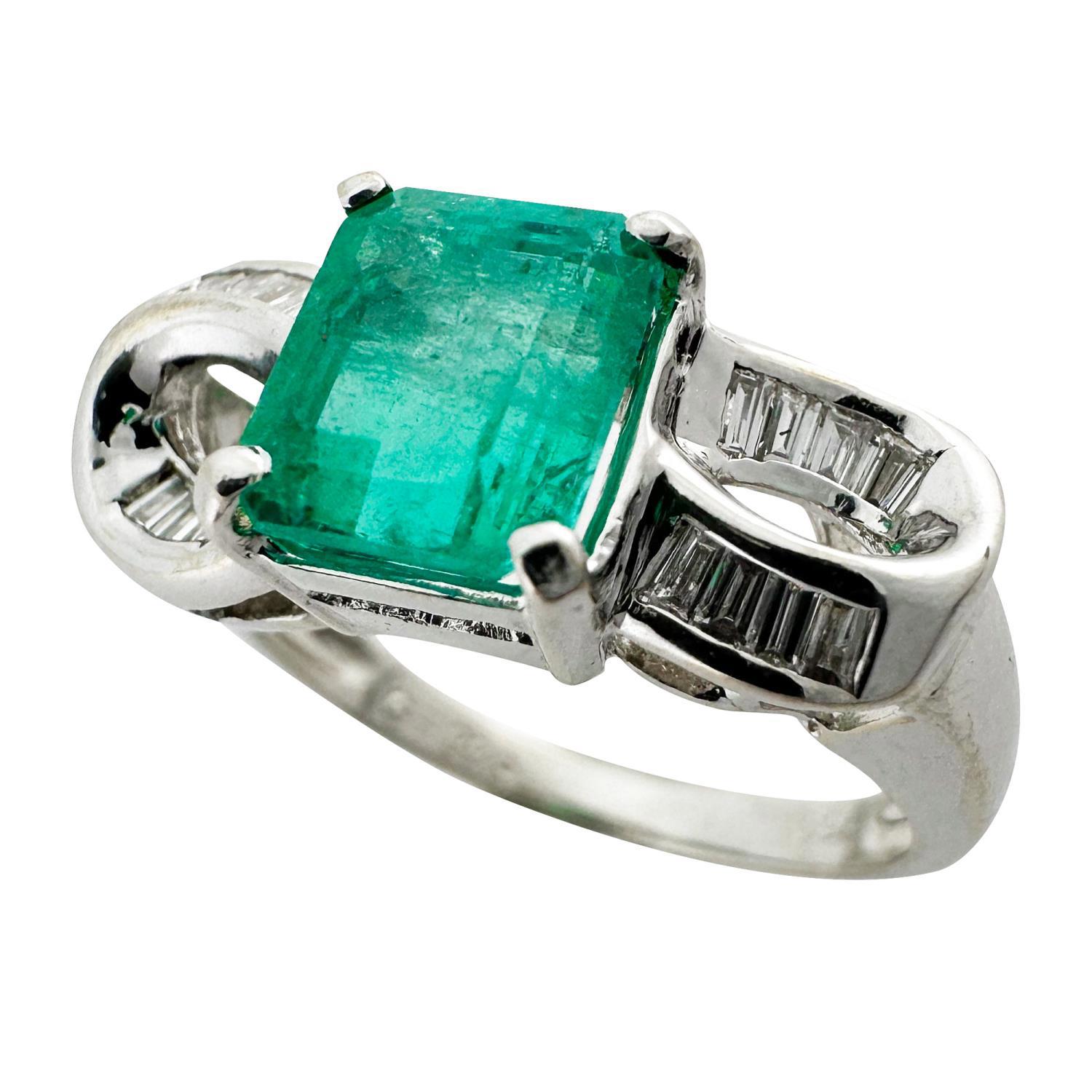
Emerald

The inclusions, veils, and color zoning visible within emeralds have contributed since antiquity to their extraordinary symbolic charge. In ancient Egypt, emeralds were associated with fertility, rebirth, and eternity, and thus with the cyclical regeneration of nature and the return of life after aridity.
 
In Greek and Roman culture, emerald was believed to be the stone of truth. According to some traditions, it could crack or lose its brilliance in the presence of lies or betrayal. During the Middle Ages, additional virtues, like beneficial effects on eyesight and health, were attributed to it. However above all, it was believed to preserve moral integrity and act as an antidote to excess, deception, and imbalance.
 
Even today, to observe an emerald is to confront an idea of beauty far removed from absolute perfection. It is a living, mutable, fragile beauty that does not promise immutable eternity, but the continuity of life in all its irregularity.
Ring with emearld and diamonds
Italy 1980s
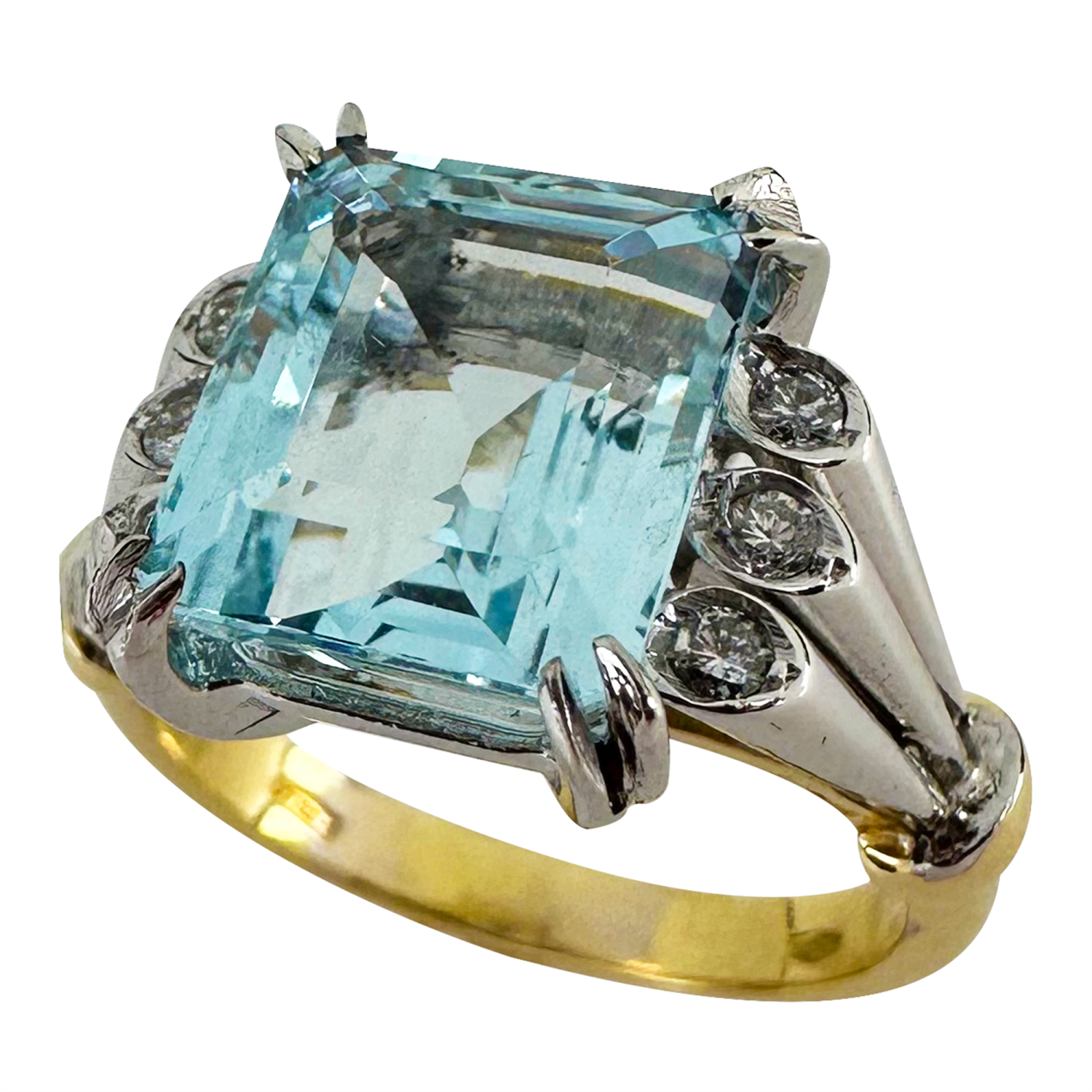
Aquamarine
Ring with aquamarine and diamonds
Italy 1980s
“Sea water” is a definition that refers not only to color, but to an entire imaginary world of journeys, crossings, and uncertainty. Aquamarine has always been considered the gemstone of sailors, believed to calm the waters, protect against storms, and ensure a safe return. In a Mediterranean shaped by trade and warfare, entrusting oneself to a gemstone meant seeking symbolic control over the unpredictability of the sea.
 
Yet aquamarine was not merely a protective stone. Its clear, almost transparent color suggested associations with clarity, truthful speech, honest communication, and the ability to express thought without obscurity. Wearing aquamarine did not mean shielding oneself from evil, but fostering a balanced relationship with others and with the surrounding world.
Amethyst

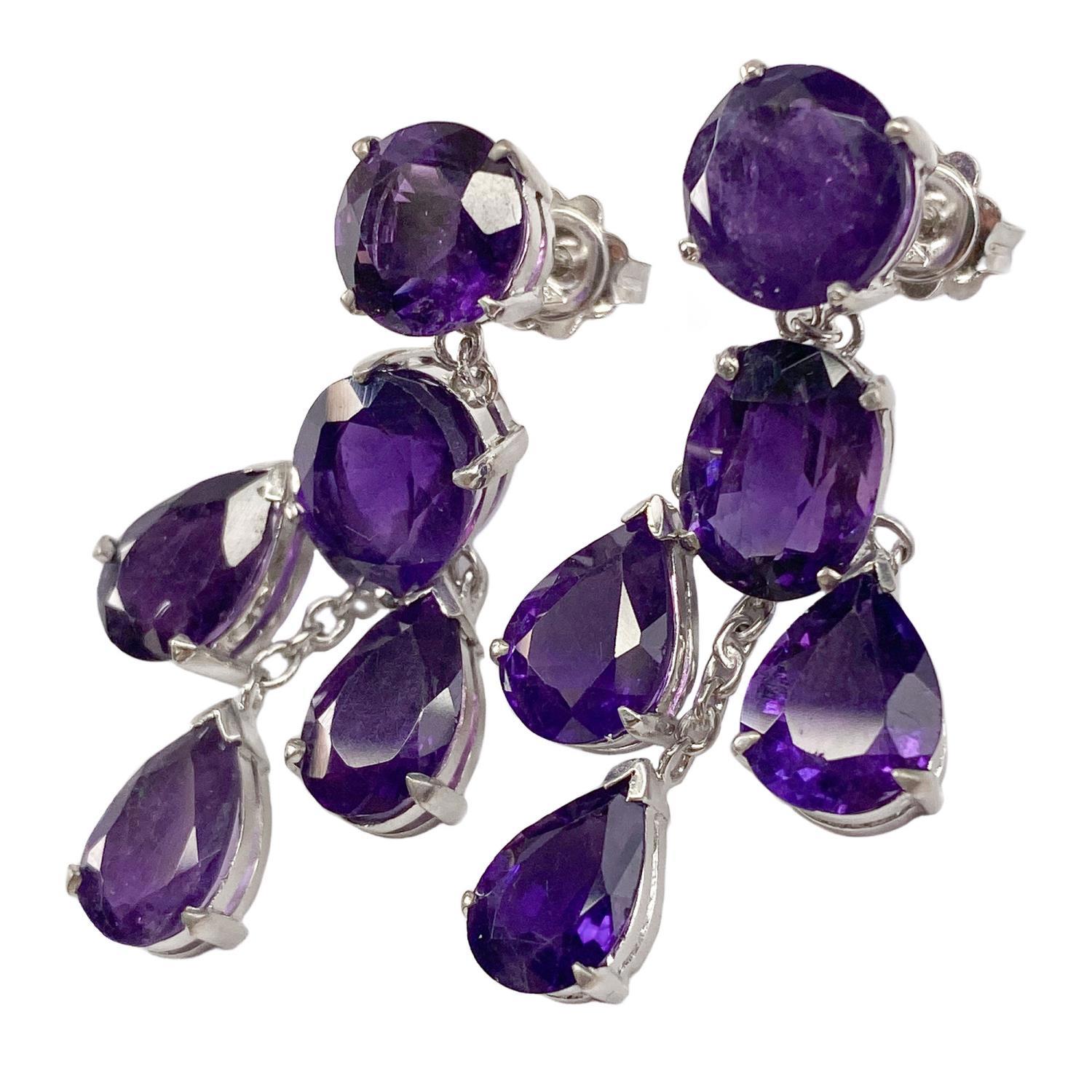
Since classical antiquity, amethyst was perceived as a safeguard against excess, as a mineral capable of suggesting balance where humanity risks losing itself. Its name derives from the Greek amethystos, meaning “not intoxicated,” revealing the origin of its most famous belief: that it protected against drunkenness, not only in a literal sense but as a broader defense against the loss of lucidity.
 
Over time, this meaning shifted from physical temperance to moral and spiritual discipline. Amethyst became associated with mental clarity, self-mastery, and inner vigilance. In Christian culture, it became closely tied to religious authority; set into episcopal rings, it symbolized the ability to govern one’s passions, to judge clearly, and to exercise power without being consumed by it.
Earrings with amethysts
Italy 1980s
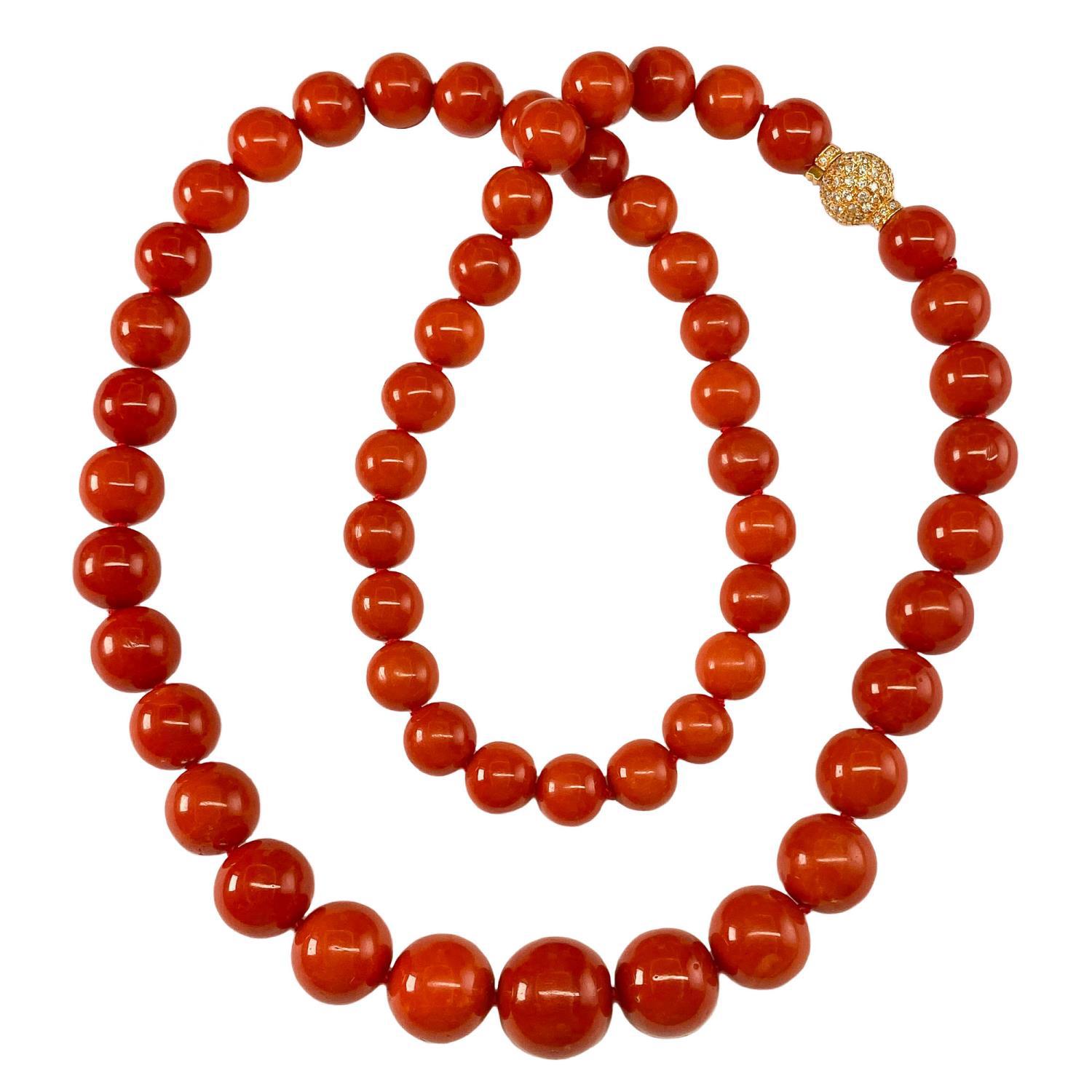
Coral
Coral necklace
Italy 1960s
From the earliest Mediterranean civilizations, coral was used as an apotropaic object, meaning it could repel evil. Its intense red color, immediately associated with blood and life, made it a favored amulet against invisible forces such as sudden illness, misfortune, and the evil eye.
 
During the Middle Ages, the superstitious use of coral did not decline but was integrated into popular Christian culture. Small branches of coral began to appear in sacred paintings and were associated with divine protection. In particular, coral often accompanied childhood as a symbol of silent and constant defense.
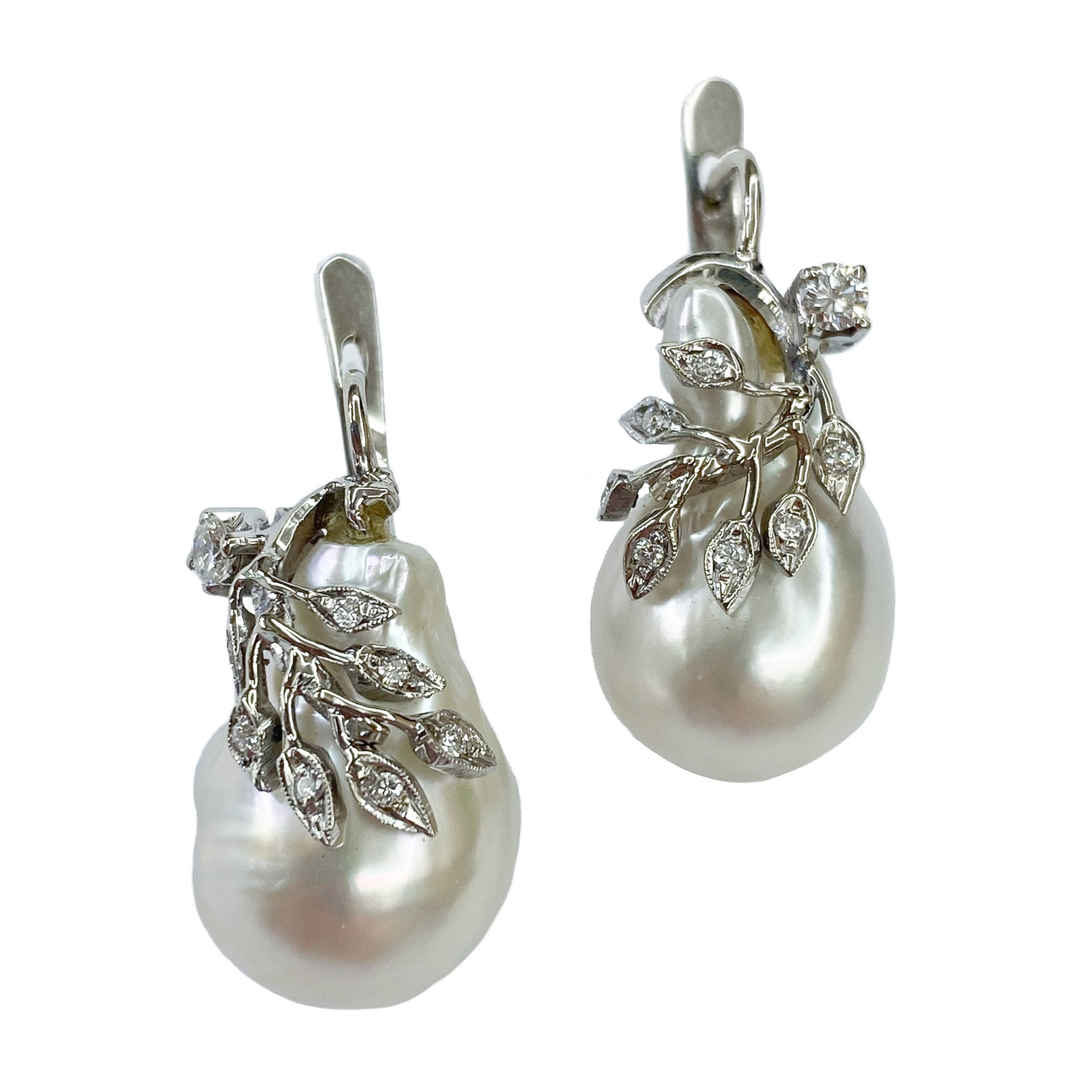
Pearls

Unlike mineral gemstones, pearls are not extracted from mines but formed through a slow, defensive process: a foreign body that, instead of being expelled, is enveloped and transformed by the mollusk. Since antiquity, pearls have symbolized purity understood as the result of transformation, even not without pain. For this reason, many cultures also associated pearls with tears, melancholy, the moon, and the cycles of time.
 
In Roman and medieval societies, pearls became central to moments of passage: marriages, births, and mourning. They did not protect like amulets, nor empower like stones of authority; they simply accompanied, promising continuity. During the Middle Ages, it was believed that pearls could reflect the emotional state of their wearer, losing their luster in times of sadness or illness. Once again, pearls were seen as mirrors of inner life, rather than shields against the external world.
 
Today, pearls retain this dual nature: symbols of timeless elegance and, at the same time, reminders of fragile beauty. 
Earrings with pearls and diamonds
Italy
Even though modern thought tends to draw a sharp line between myth and knowledge, many symbolic associations related to gemstones continue to live on, often unconsciously. When we choose a stone for what it represents, or when we speak of a jewel as a talisman or a symbol of “forever”, we reactivate an ancient mechanism, not because we believe in its power, but because we need objects that tell something about who we are.
 
The myths of gemstones, more than naïve beliefs, are forms of storytelling. They tell of what humanity has always sought in matter: protection, meaning, and continuity. And perhaps this is their most authentic value, yesterday as today.

Watch the video to learn more!

Become a Passionario

Chat with us