it / en
it / en

The eternal charm of silver

One of the most beloved metal
Symbol of purity, clarity, and femininity, silver has always been one of humanity’s most beloved metals. For millennia, it has been crafted into personal adornments, sacred objects, utensils, and coins. Its Latin name, Argentum, gives us the chemical symbol Ag. Like gold, it belongs to Group 11 of the periodic table, with atomic number 47.
 
Silver is the best conductor of electricity and heat of all metals, as well as the most reflective—qualities that make it not only precious, but also remarkably versatile. It is soft and malleable: just one gram can be drawn into a wire more than a mile long, or hammered into a sheet so thin it becomes nearly transparent.
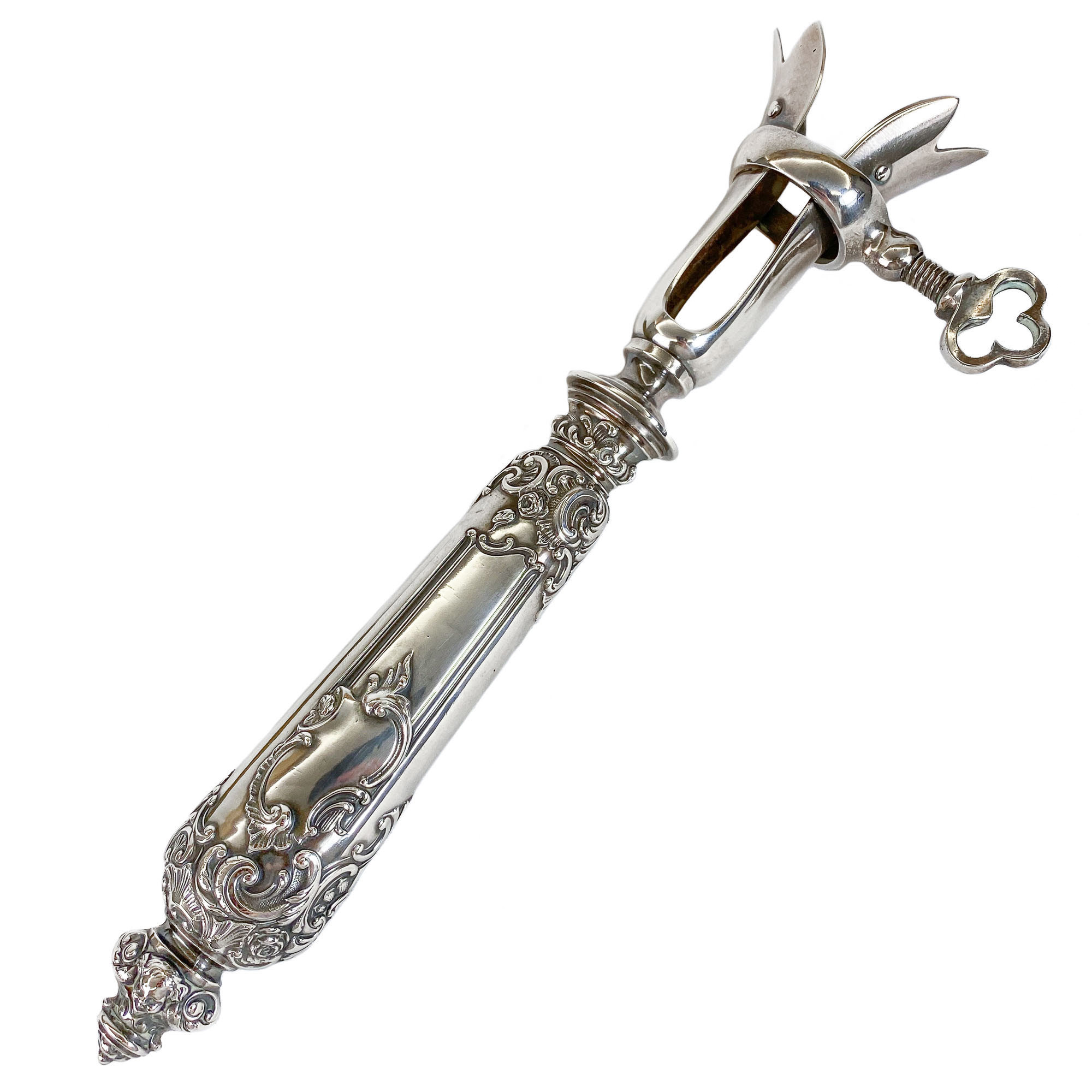
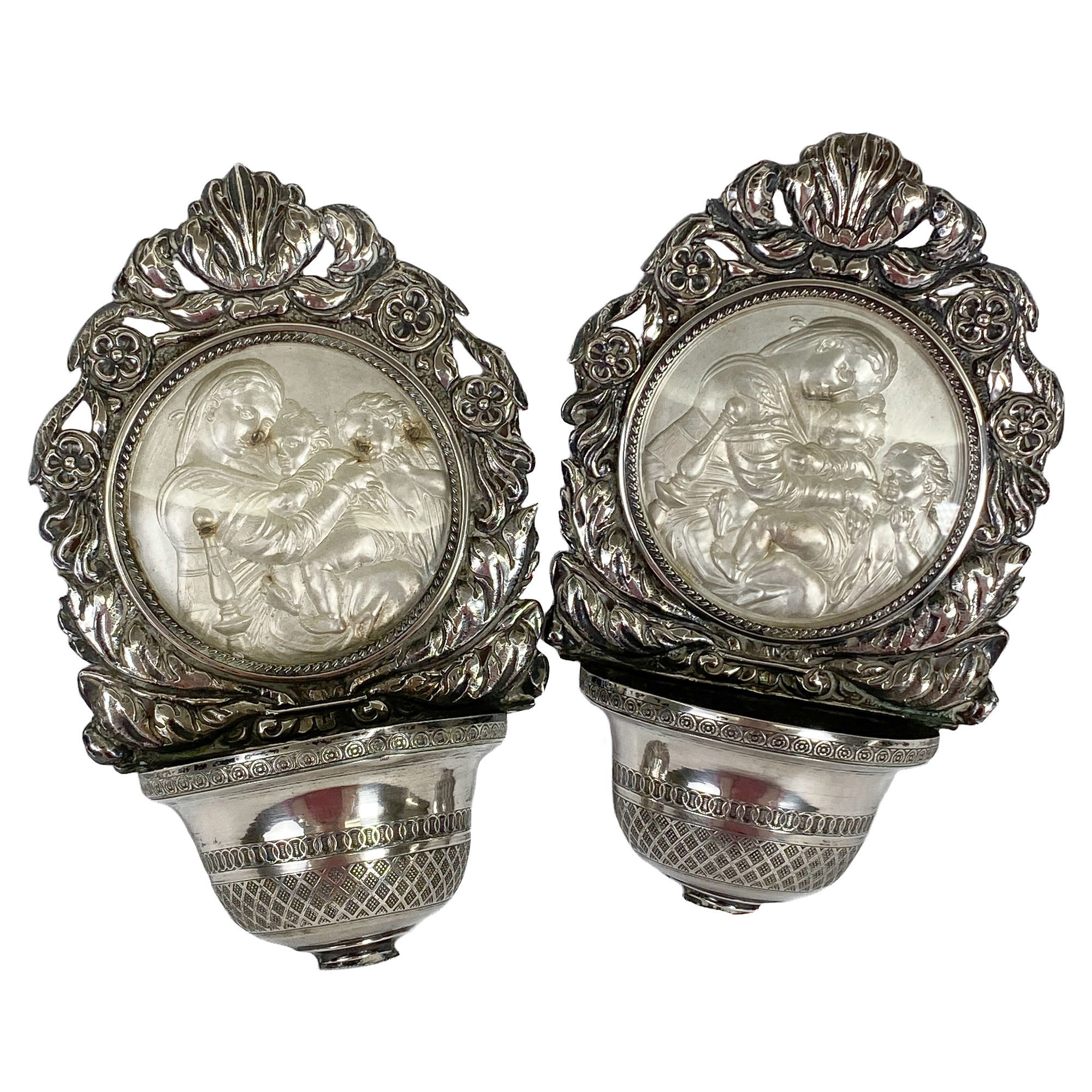
Holy water stoups
Italy, 19th century
Cutlery for Jewish Easter
France, 19th century
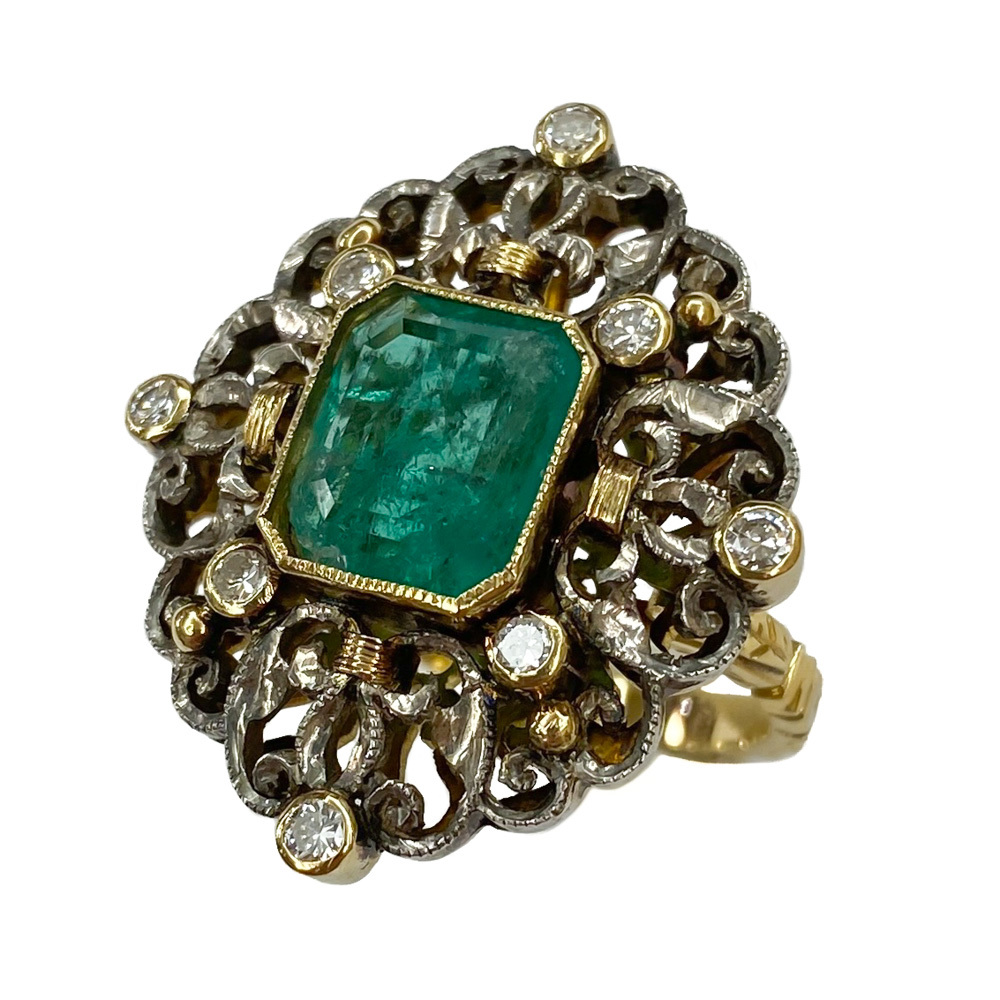
Gold and silver ring with emerald
Italy, 1960s
Silver is part of the noble metal family, alongside gold, platinum, and palladium, all prized for their resistance to oxidation and chemical stability. Unlike gold, however, silver does tarnish slightly over time when exposed to sulfur in the air or in materials like eggs or wool. This process, called sulfidation, creates a thin layer of silver sulfide, which is easily removed with proper cleaning.
For centuries, silver was chosen for coins, tableware, musical instruments, surgical tools, and religious artifacts. Today, its uses extend well beyond tradition: it plays an essential role in industry, medicine, and electronics. Thanks to its antibacterial properties, it coats medical devices, water filters, and even fabrics. It is also vital in the production of solar panels, photovoltaic cells, electrical contacts, and printed circuits, as well as in high-precision mirrors and camera lenses.
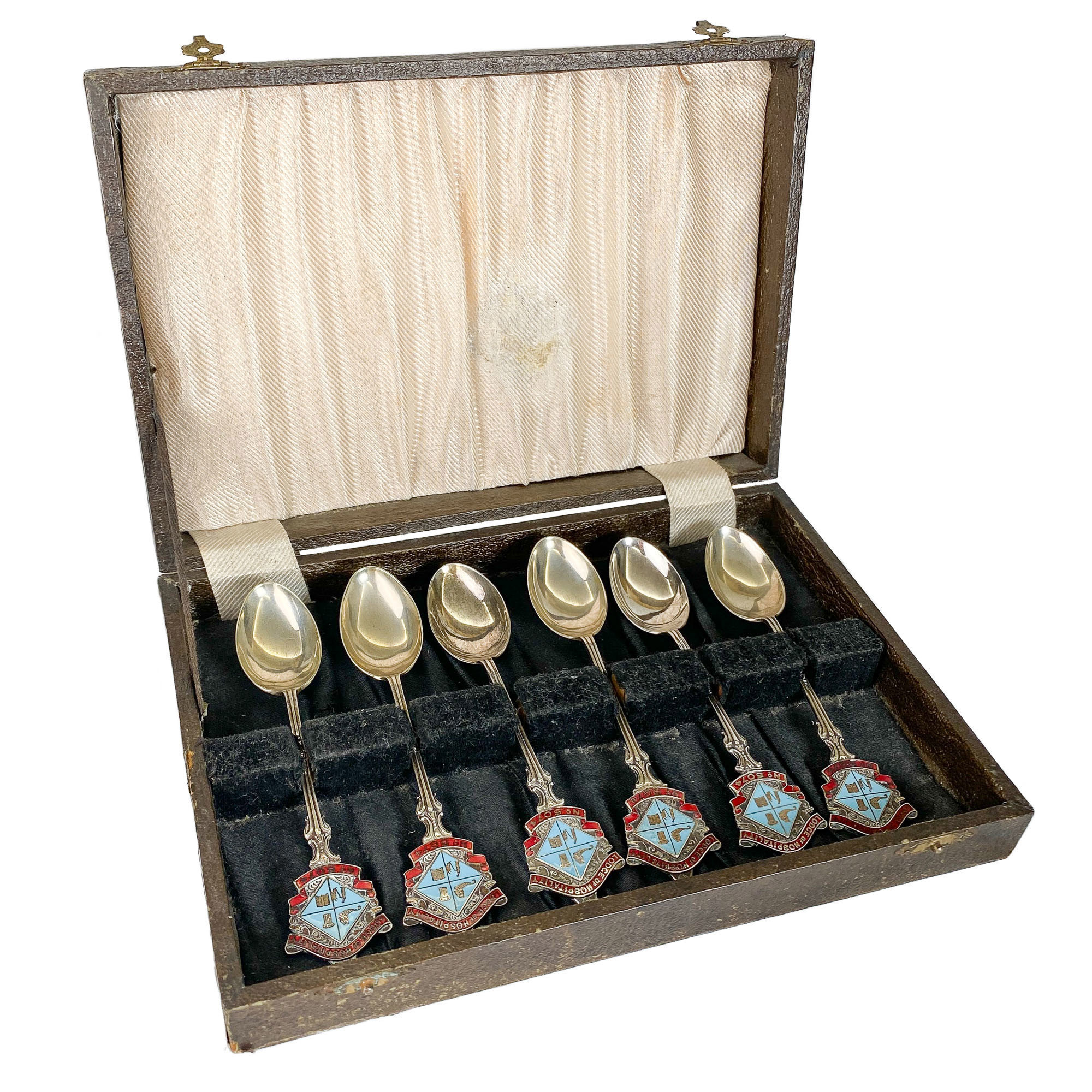
Lodge of Hospitality’s teaspoons
England, 1930s
Silver has been known since prehistoric times, but its widespread use began around the third millennium BC, with early examples of craftsmanship in Mesopotamia and Anatolia. The Egyptians valued it even more highly than gold, using silver objects in royal tombs and temples. The Greeks and Romans expanded its use in jewelry, coinage, and domestic luxury—sumptuous silver banquet sets have been unearthed from Roman villas. In the 19th and early 20th centuries, silver experienced a renewed golden age. During the Victorian era, particularly in England and France, it became a staple for jewelry, dressing-table accessories, boxes, frames, and travel sets. Considered elegant and modern, silver was the perfect choice for an ambitious middle class eager to stand out without paying the high price of gold.
 
At that time, silver also reigned in the world of artistic jewelry. Since white gold was not introduced until after World War I, silver was the preferred metal for light, intricate settings, pierced and chased by master craftsmen. It was the favorite medium of Art Nouveau artists such as René Lalique and Lucien Gaillard, who used it to create extraordinary works inspired by nature. From that moment on, silver secured a permanent place in jewelry—whether as the foundation for simpler adornments or as a noble material in its own right.
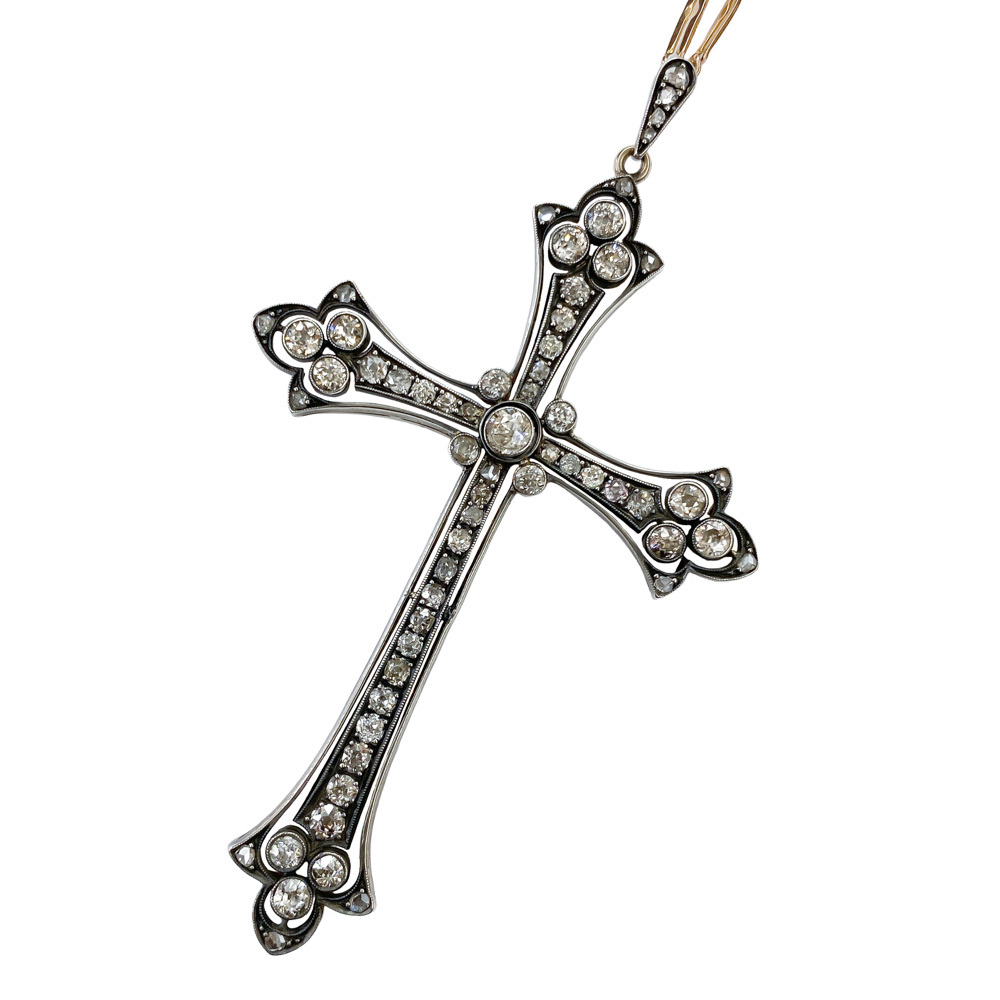
Gold and silver cross pendant with diamonds
Italy 19th century
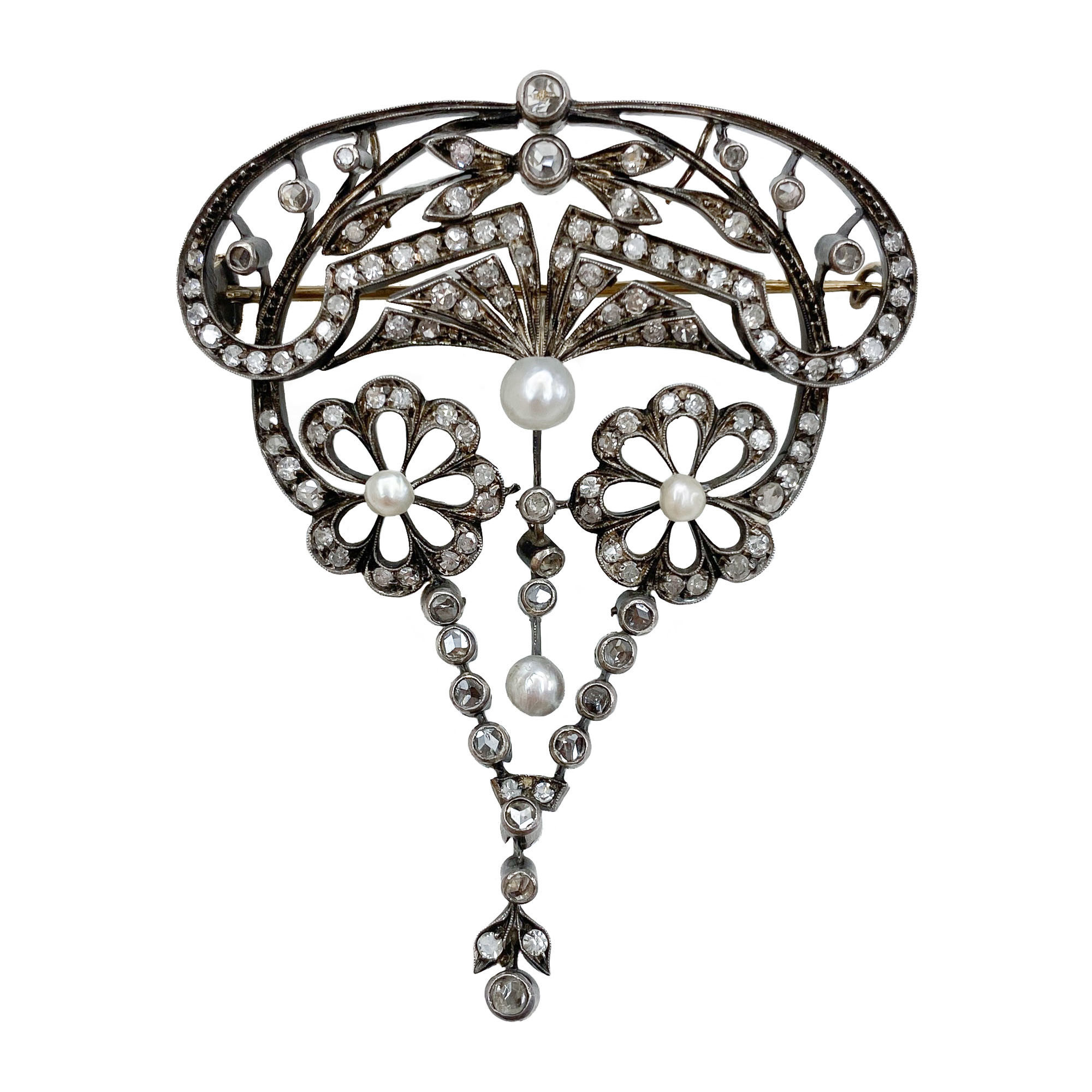
Pendant - brooch with pearls and diamonds
Italy, early ‘900s
 
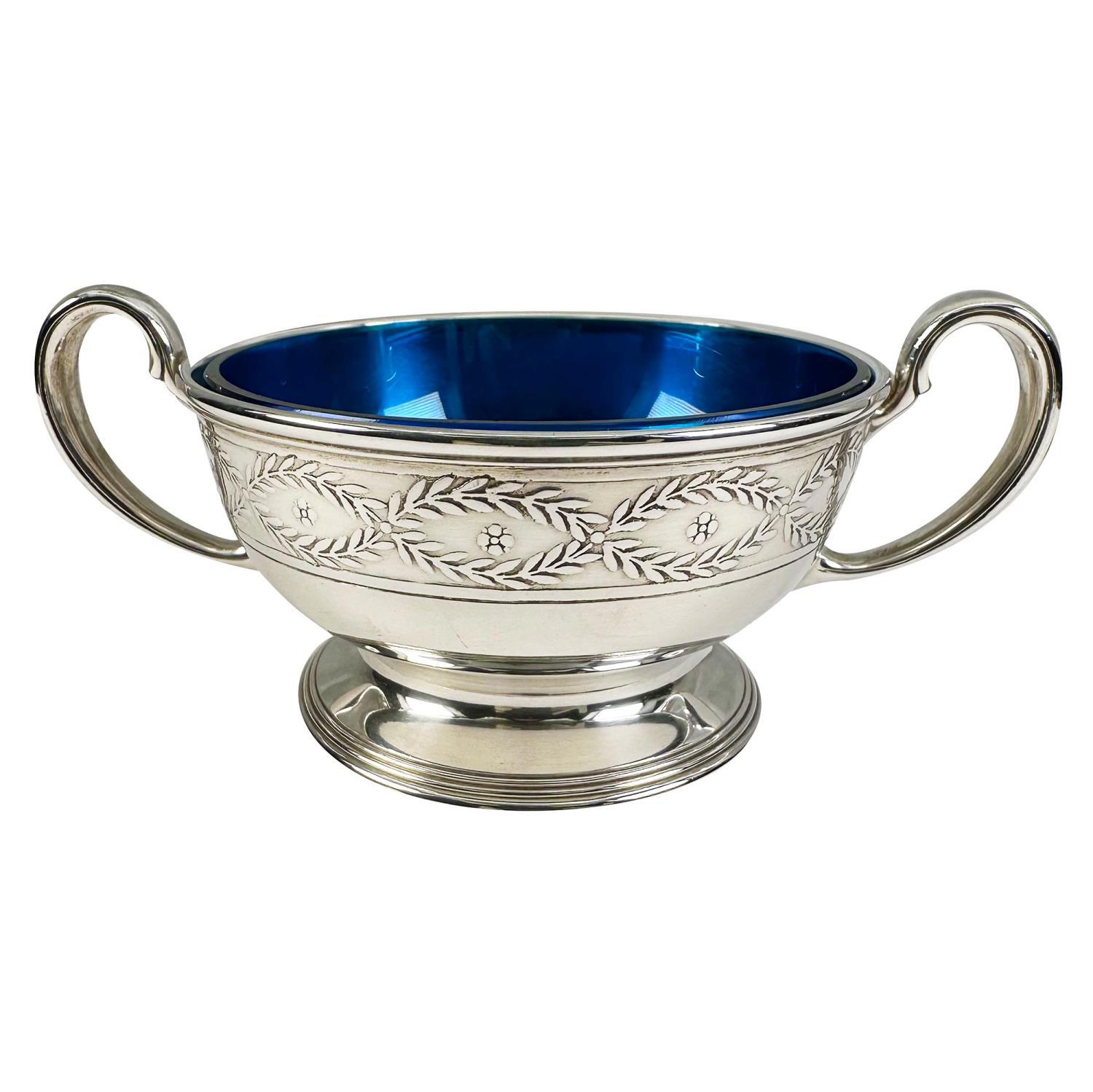
Dessert bowls by Tiffany & Co.
USA, 19th century
Until the Middle Ages, European production relied mainly on deposits in Saxony and Bohemia. But it was the discovery of the Americas that sparked a silver revolution. The vast Peruvian mines of Potosí and the Mexican mines of Zacatecas, exploited heavily by colonial powers, made Spain the world’s leading producer between the 16th and 18th centuries.
Later, new mines opened in Canada, the United States, Australia, and Bolivia. Today, the largest producers are Mexico, China, and Peru. Italy does not possess large primary deposits, but for centuries has been renowned for its silversmithing, with artisanal workshops that still thrive today, producing both artistic and industrial silverware.
Silver can be found in primary deposits, as veins within volcanic rock, or in secondary deposits, as flakes or grains left by erosion. In jewelry, it is almost never used in its pure state, which means 1000/1000, because it is too soft and easily deformed. The most common alloy is sterling silver (925), composed of 92.5% pure silver and 7.5% copper, which strengthens the metal without dulling its brilliance. Another traditional alloy, silver 800, is often used for flatware and hollowware, containing 80% pure silver and 20% copper.
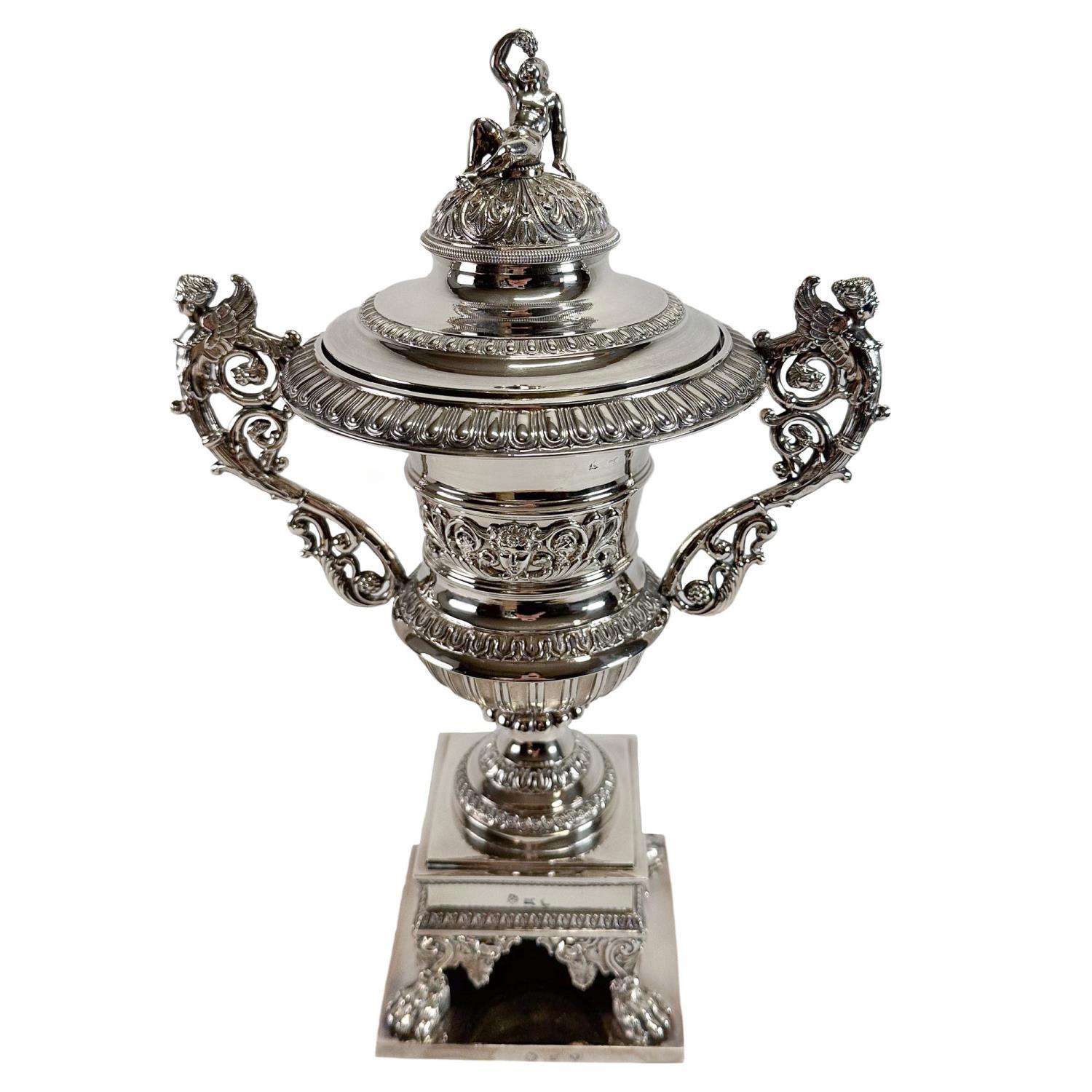
Compote jar by T. Panizza
Italy 19th century
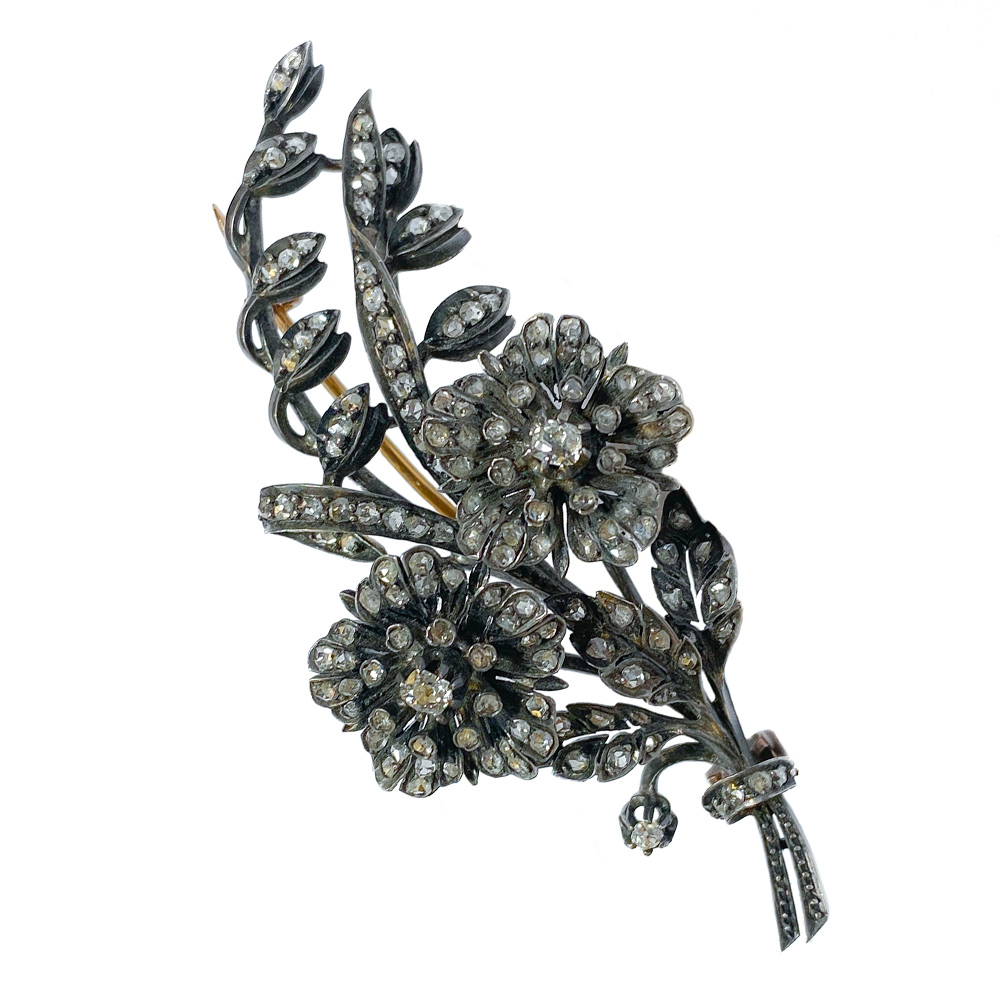
Gold and silver brooch with diamonds
France 19th century
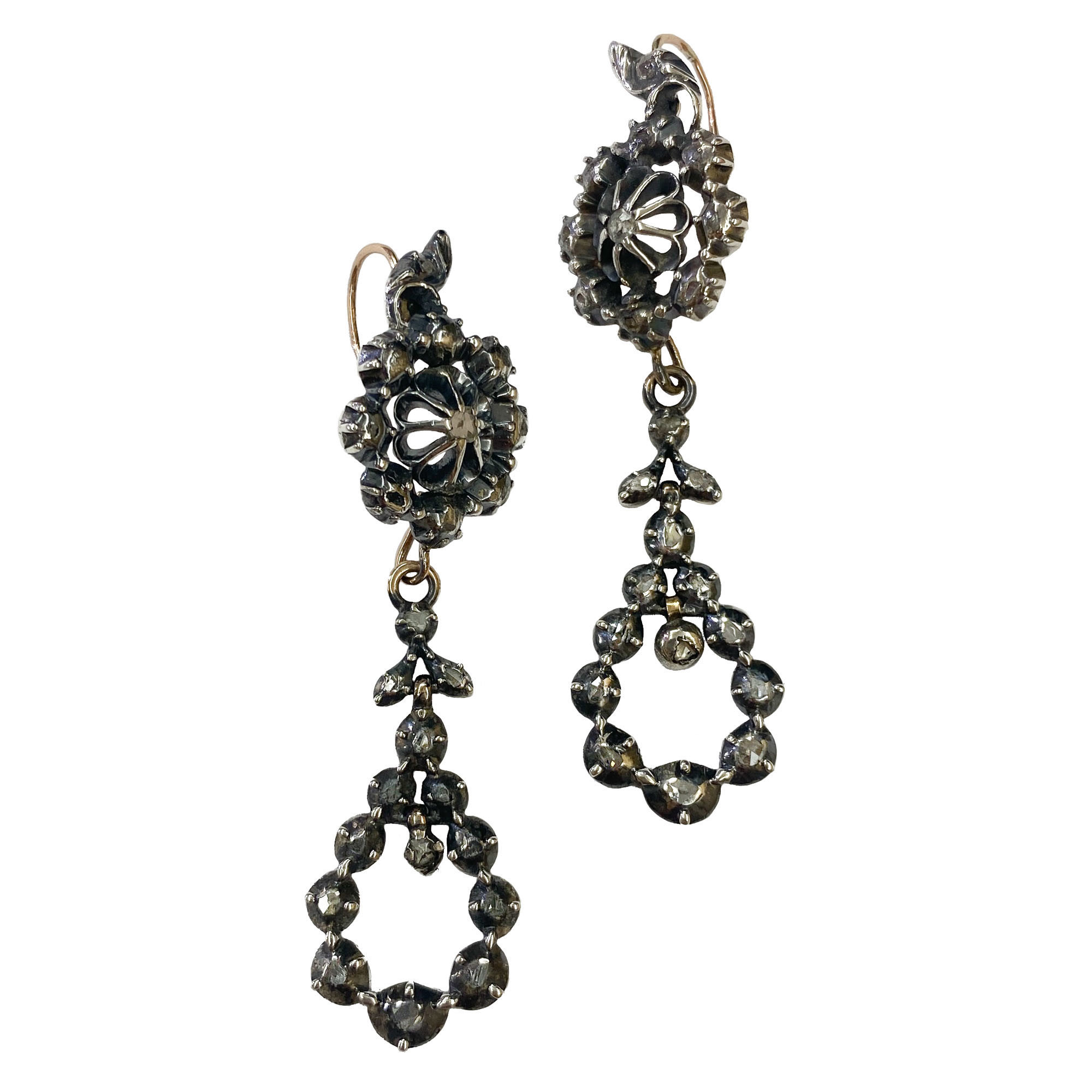
Gold and silver earrings with diamonds
Italy 18th century
Though less expensive than gold, silver’s price has followed a parallel history, fluctuating with global events and currency shifts. After decades of relative stability, the 2008 financial crisis pushed silver prices upward, peaking in 2011 at around €1 per gram. In the following years, it stabilized between €0.40 and €0.80/g, but with rising demand in renewable energy and technology, the trend has been climbing steadily. In 2024, it surpassed €1.10/g, and forecasts predict continued growth over the next decade.
Determining the value of a silver object requires verifying both the alloy and its authenticity, usually in two steps: hallmark identification and chemical testing. In Italy, silver fineness must be indicated with a numerical punch mark (such as 925 or 800) inside an oval, accompanied by a lozenge-shaped mark showing the silversmith’s registration number and province. These marks are often discreetly placed, for example on the back of a spoon or inside a bracelet. When no mark is present—or for further certainty—a chemical acid test is performed.
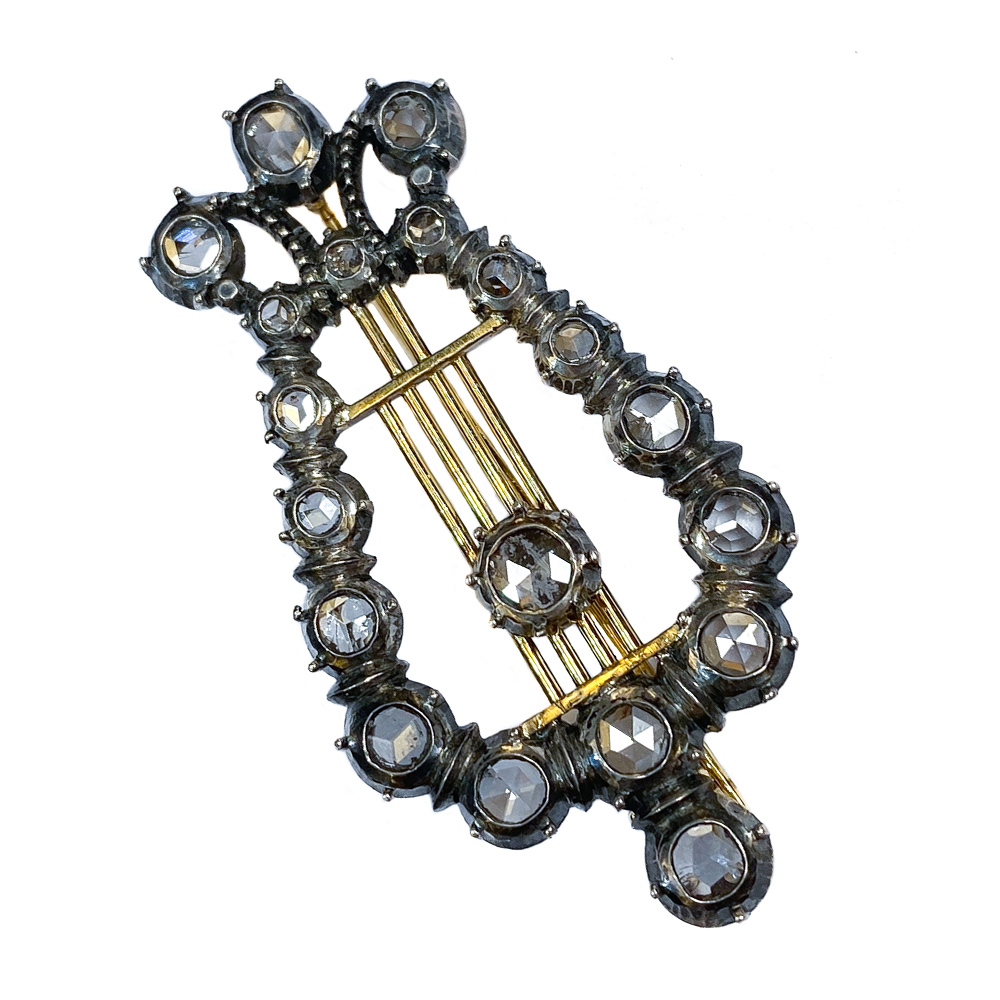
Gold and silver brooch with diamonds
Italy, 19th century
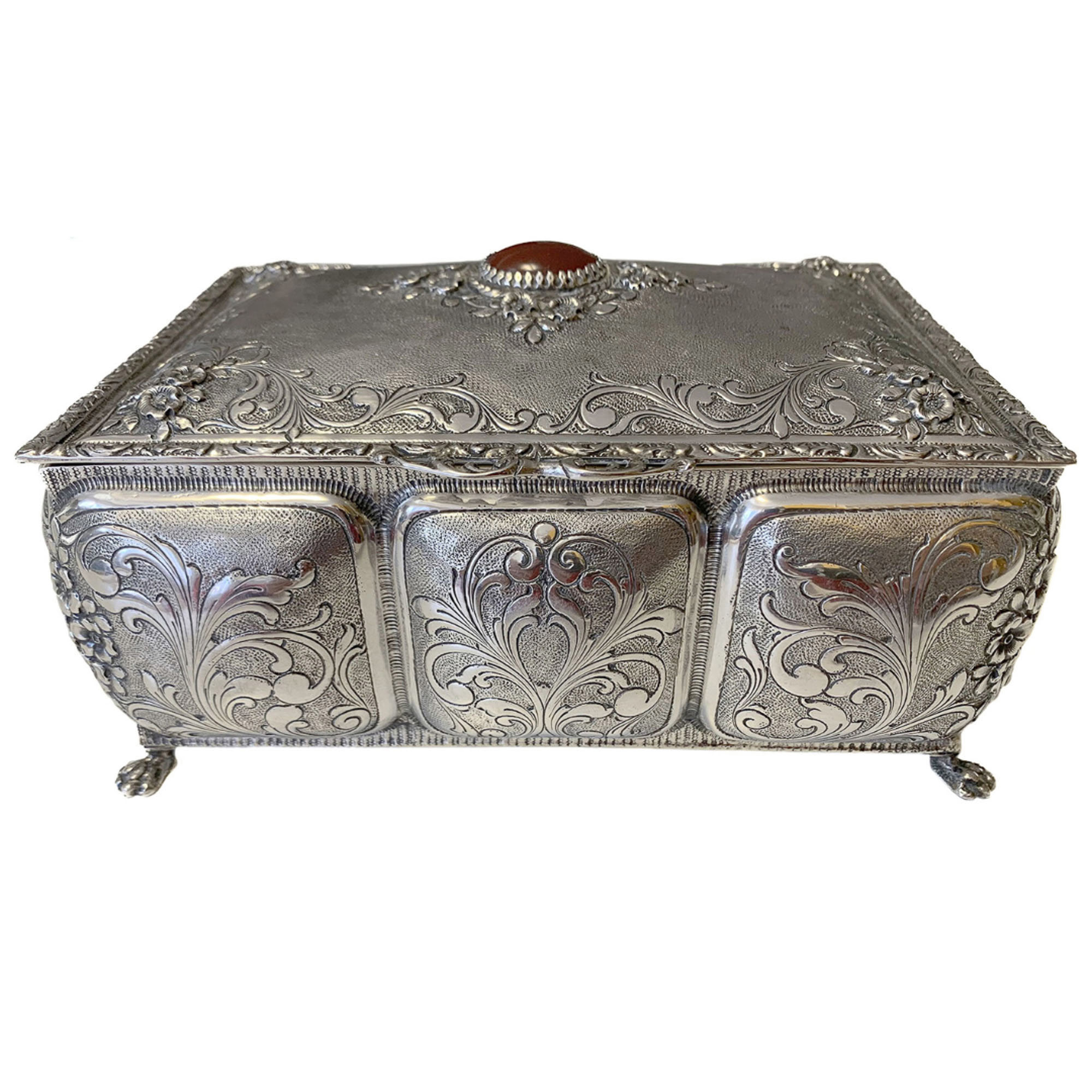
Jewelery box
Italy, 1960s
With its subtle glow and unmatched versatility, silver continues to reinvent itself without ever losing the allure of its ancient roots. Whether shining in an Art Nouveau jewel, a refined dining set, or cutting-edge technology, silver remains a timeless emblem of elegance and craftsmanship.

Watch the video for a in-depth analysis of one of the most beoved metal in jewelry. 

Become a Passionario

Chat with us